
The Department of Otolaryngology - Head and Neck Surgery at MUSC is asking a radical question: What if we could identify hearing loss before the patient even knows they have it?
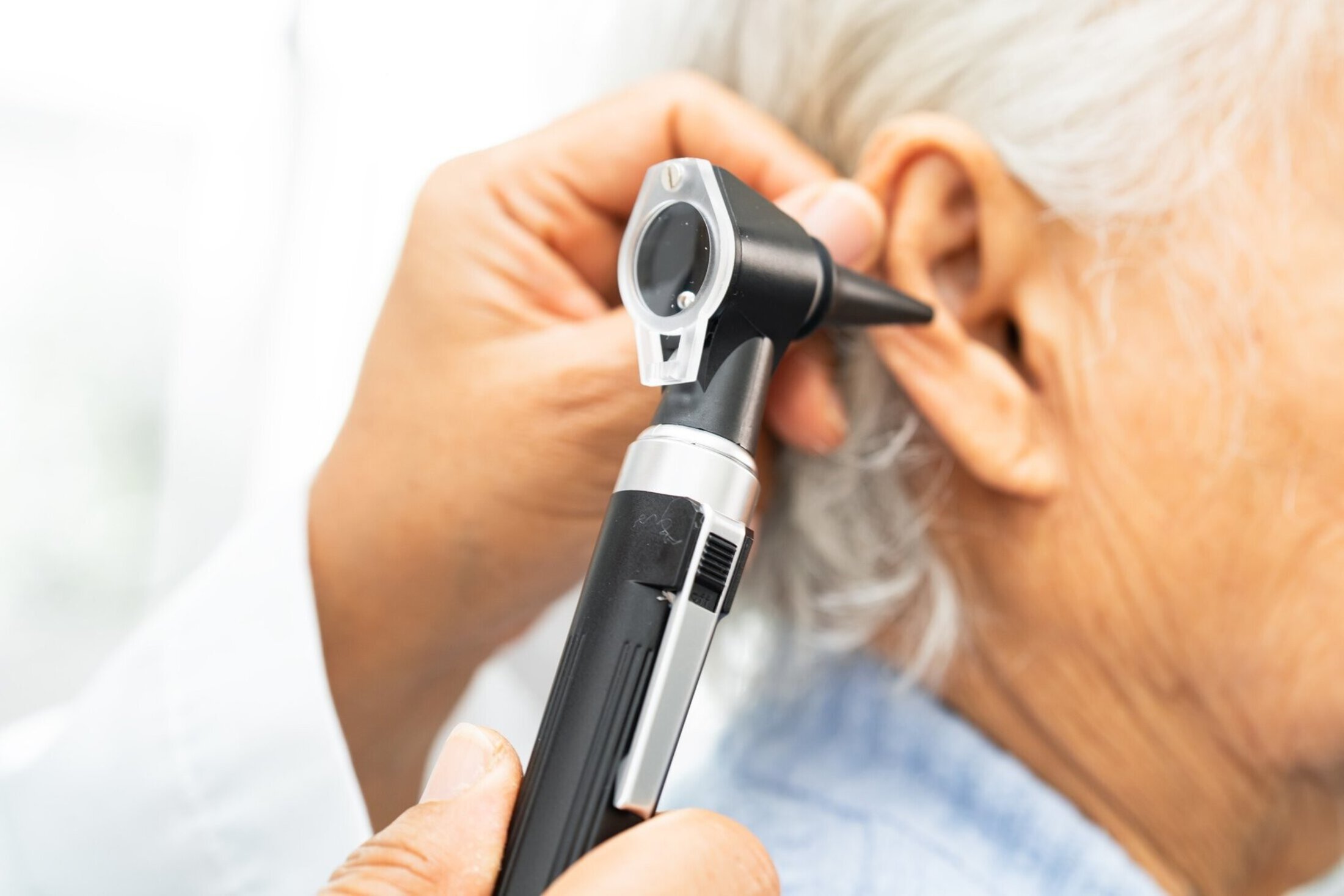
By combining one of the world's largest hearing databases with cutting-edge artificial intelligence (AI), MUSC researchers are turning the standard clinic visit into a powerful diagnostic engine. Artificial intelligence is being used to detect subtle vocal patterns, mispronounced words, or misinterpreted questions that signal the early onset of hearing loss - even when the patient hasn't come in for a hearing complaint. This moves treatment beyond subjective patient reports to data-driven risk assessment and identifies at-risk individuals years earlier.
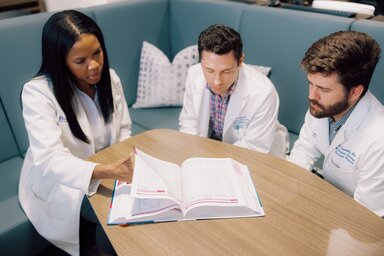
Dr. Peter Dixon, an otolaryngologist and research scientist leading this effort at MUSC, is utilizing natural language processing (NLP) to analyze the actual conversations between doctors and patients. His groundbreaking insight is elegantly simple: the way a patient speaks during a clinical encounter - how they mispronounce words, misinterpret questions, or respond atypically - may reveal hearing loss before traditional testing reveals it. This approach allows for automated screening across large health systems without additional staff burden, scaling diagnostic power far beyond what human clinicians alone could achieve.
The Foundation
This AI innovation is built on a foundation of massive, rigorous data. For the past 37 years, the department has maintained one of the world's largest hearing loss databases through an NIH-funded longitudinal study led by Dr. Judy Dubno. This dataset - the largest outside of Iceland - tracks the natural course of hearing loss across diverse populations and demographic groups, providing the scientific bedrock upon which MUSC's diagnostics work rests.
Working alongside Dr. Dixon, Dr. Ted McRackan developed the Cochlear Implant Quality of Life (CIQOL) instrument suite, now translated into 17 languages and used in the US and globally. The CIQOL allows clinical teams to formally measure what patients hope to achieve from treatment, moving beyond one-dimensional metrics to capture the full spectrum of what "success" means in a patient's own life.
In another frontier area, Dr. Rod Schlosser is researching anosmia (the inability to smell) as a predictor for dementia - an NIH-funded investigation that demonstrates how the head and neck are gateways to overall neurological health. These projects collectively show that otolaryngology is not an isolated specialty but a window into systemic disease.
The Research Pipeline
Beyond individual innovations, the department is building systematic approaches to preventing disease before it progresses. The Evelyn Trammell Institute is defining new normative values for swallowing disorders, allowing earlier detection of dysfunction. Dr. Lauren Dillard's recent study in JAMA Network Open broke new ground by tracking the frequency and progression of hearing loss over a 25-year period, revealing that hearing loss is not just a physical ailment but a systemic indicator of vascular health, hypertension, and education-related health disparities.
Global Impact
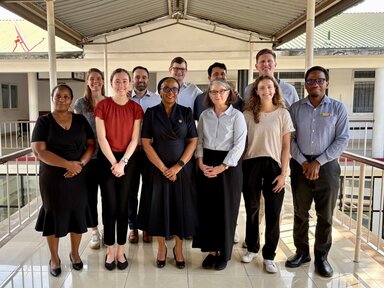
The reach of the department's innovations goes far beyond South Carolina. Global health outreach programs - such as Global Smile in El Salvador, Rhinology rotations to Cuba, and Dr. Dillard’s work with World Health Organization (WHO) - ensure that MUSC's diagnostic and surgical innovations help underserved communities worldwide. These rotations allow residents to integrate academic learning with meaningful service, strengthening the department's #11 national ranking for research output while building a more equitable global health ecosystem.
Why It Matters
Early detection of sensory loss, cognitive markers, and systemic disease can transform outcomes. A patient identified as at-risk for hearing loss before significant decline occurs has the opportunity for intervention that preserves quality of life. A patient identified as at-risk for dementia through olfactory assessment can begin preventive strategies. This is preventive medicine at its finest - using data and innovation to intercept disease before it takes hold.
All of this is possible, according to Dr. Robert Labadie, the department's chair, because the department's ambitions are defined by a refusal to accept the status quo. "We are thinking about tomorrow, yesterday," he says - meaning the department is already working on the problems of the future, building the tools and evidence base today that will define care standards tomorrow.
By mastering these diagnostic frontiers, MUSC Otolaryngology is ensuring that South Carolinians, and people across the world, don't just live longer - they live with their senses, their voices, and their memories intact.
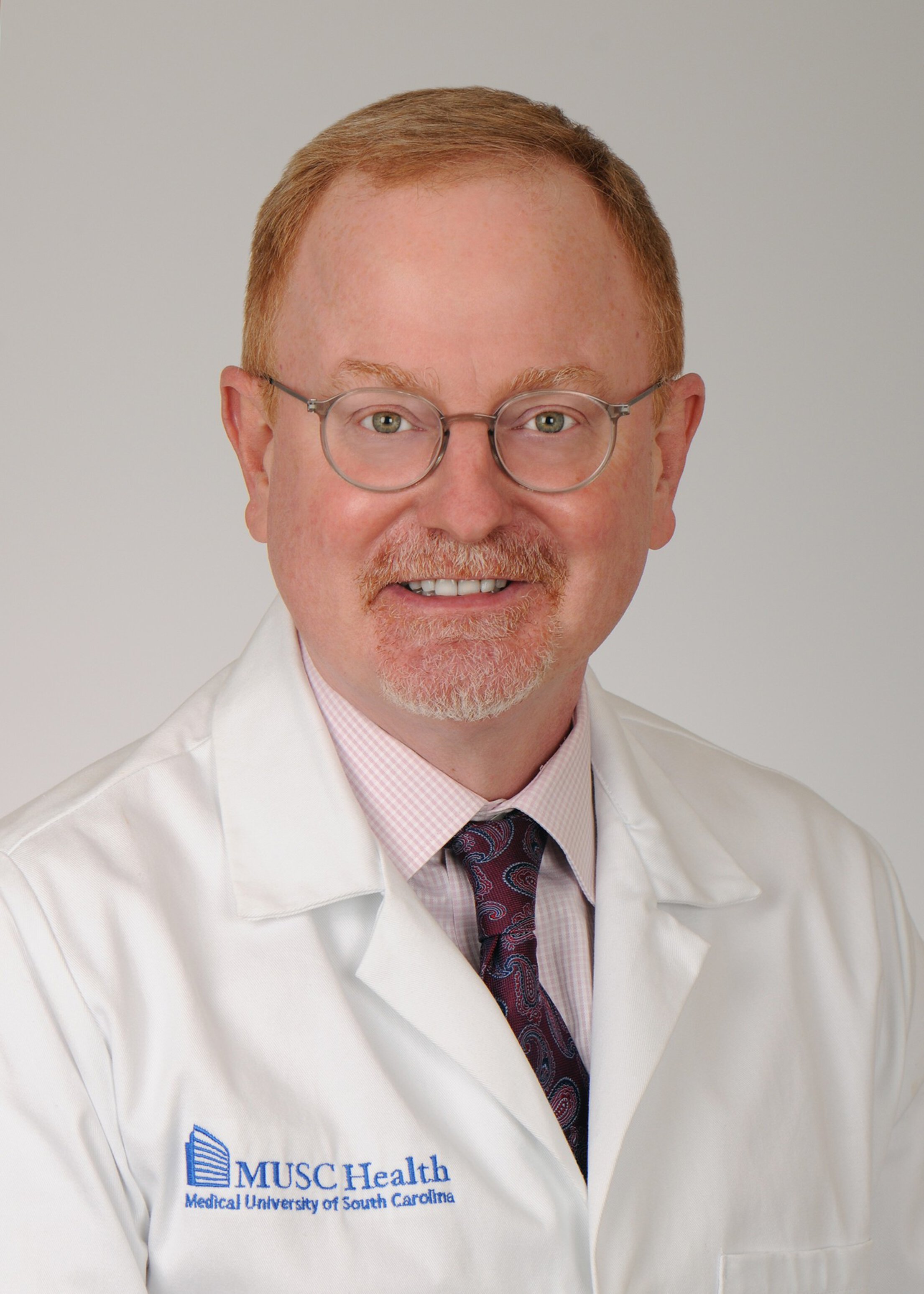
Robert F. Labadie
Professor and Chair, Department of Otolaryngology, Head & Neck Surgery
Dr. Labadie is an otolaryngologist, also known as an ear, nose, and throat doctor, who specializes in treatment of ear diseases and has a passion for cochlear implants which are implantable, electronic devices which restore hearing to patients with certain forms of deafness. In addition to being a medical doctor, Dr. Labadie has a PhD in bioengineering and has used that skill set to design and perform studies to improve outcomes for patients with cochlear implants.
A native of Pittsburgh, Pennsylvania, he went to college at the University of Notre Dame where he studied mechanical engineering and returned home to do both his MD and PhD at the University of Pittsburgh. He then completed residency in otolaryngology-head and neck surgery at the University of North Carolina at Chapel Hill following which he joined the faculty at Vanderbilt University in Nashville, Tennessee where he practiced for 20 years before being recruited to MUSC to become the chair of otolaryngology in January of 2022.
Dr. Labadie is the author of more than 175 peer-reviewed papers, more than a dozen patents, multiple book chapters, and a textbook on image-guided surgery. He has presented his research nationally and internationally and has ongoing support from the National Institutes of Health for his research. He is a member of The American Academy of Otolaryngology-Head and Neck Surgery and a fellow of The American College of Surgeons, The American Otological Society, The American Neurotology Society, The Triological Society, and the international group Collegium Oto–Rhino–Laryngologicum Amicitiae Sacrum.