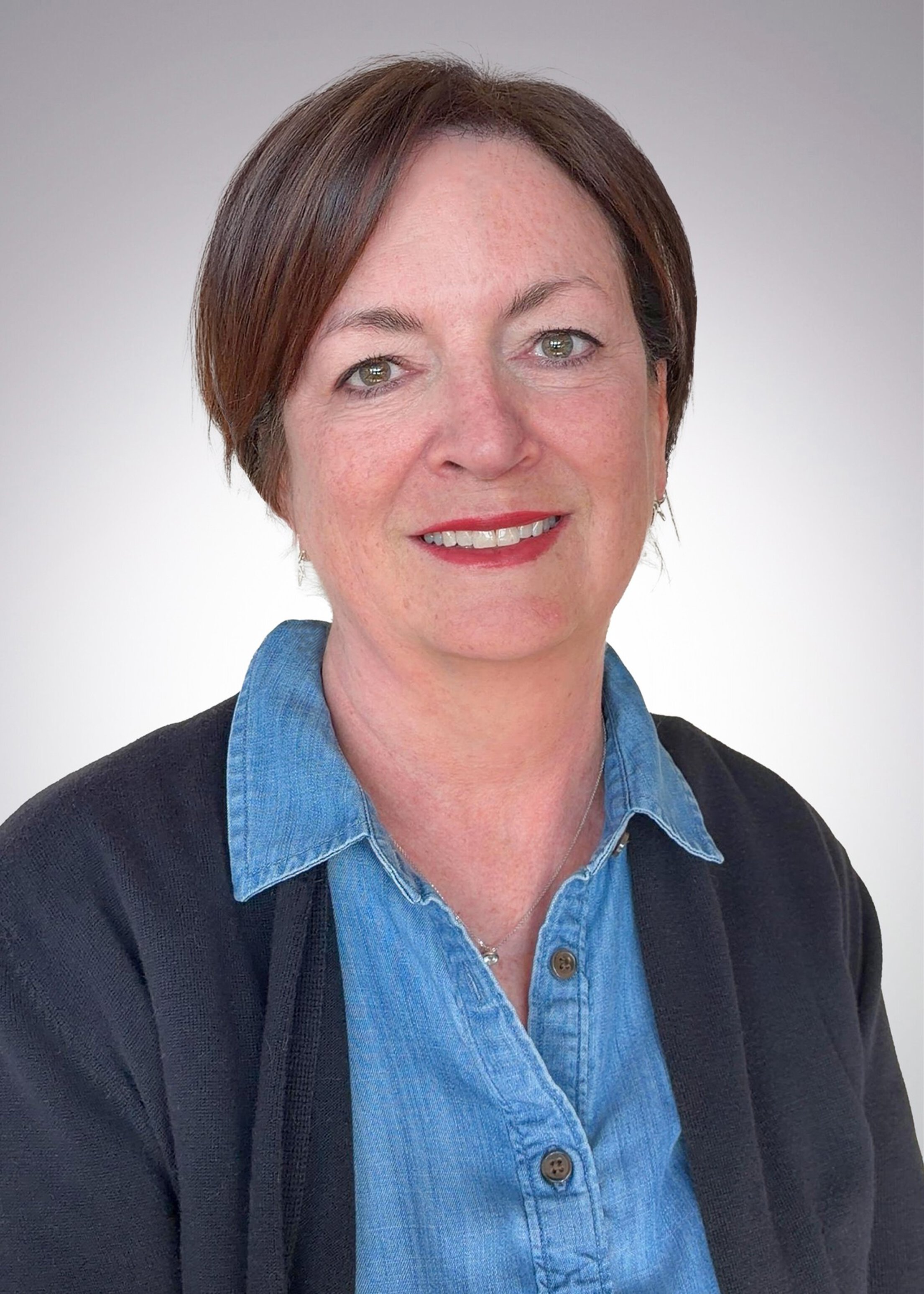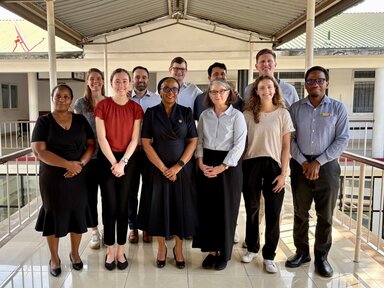


Jimmy Addison had just moved from Atlanta to Seneca, South Carolina, when he noticed something wasn’t right. “I started gaining weight and didn't know what was going on. I felt bloated all the time.”
Addison, a former Clemson University football player and a huge fan, also noticed he was short of breath when walking up the stairs in the stadium during a game.
So the retired commercial real estate lawyer saw a doctor and was eventually diagnosed with transthyretin amyloid cardiomyopathy, better known as ATTR-CM. Proteins in his body were misfolding and building up in his heart, which can be deadly if left untreated.
“After that, I did a lot of research and found Dr. Judge. He just had a tremendous track record,” Addison said.
Daniel Judge, M.D., specializes in heart failure, heart transplants and genetic heart problems at MUSC Health in Charleston. He’s also a professor in the College of Medicine at the Medical University of South Carolina, where he is involved in multiple studies focusing on ATTR-CM.
The cause of the disease can be genetic, but some people develop it as they age with no apparent inherited link. Either way, Judge and his team see patients from across the state and throughout the Southeast U.S.
“We're a referral center for amyloid,” Judge said. “It's still considered a rare disease by the CDC, meaning fewer than 200,000 cases in the U.S. But many people estimate that it's a lot more common than that, and it's just not previously been well-recognized because of the lack of treatments. Doctors would say, ‘Well, why look for it if we can't treat it?’”
They can treat it these days with a growing number of medications, including some that Judge and his team at the MUSC Health Heart & Vascular Center tested.
Addison is part of a clinical trial studying the long-term safety of eplontersen, brand name Wainua, a drug that reduces the amount of TTR the body makes. His condition has taken a toll, causing dizziness and swelling in his feet, among other things. But he thinks it could have been much worse.
“For instance, today I'm walking very, very well,” he said in an interview.
“Some days are much more difficult. But I believe I can do what I can do today because of the trial.”
Other treatments
Judge said treatments for ATTR-CM have only been around for about seven years. The first drug to emerge was tafamidis, which sells under the brand names Vyndaqel and Vyndamax. It stabilizes TTR.
But there’s a catch. “It's incredibly expensive. However, it's led to opportunities, I think, to make other medicines,” Judge said.
Acoramidis
Judge’s team has played a key role in putting some of those other medicines to the test.
“So here at MUSC, we were the first site internationally to treat anyone with TTR amyloid with a newer medicine called acoramidis that's now advertised on TV. Attruby is the other name for it.” Like the first medicine to hit the market, Attruby stabilizes TTR. Read more about it in this related story.
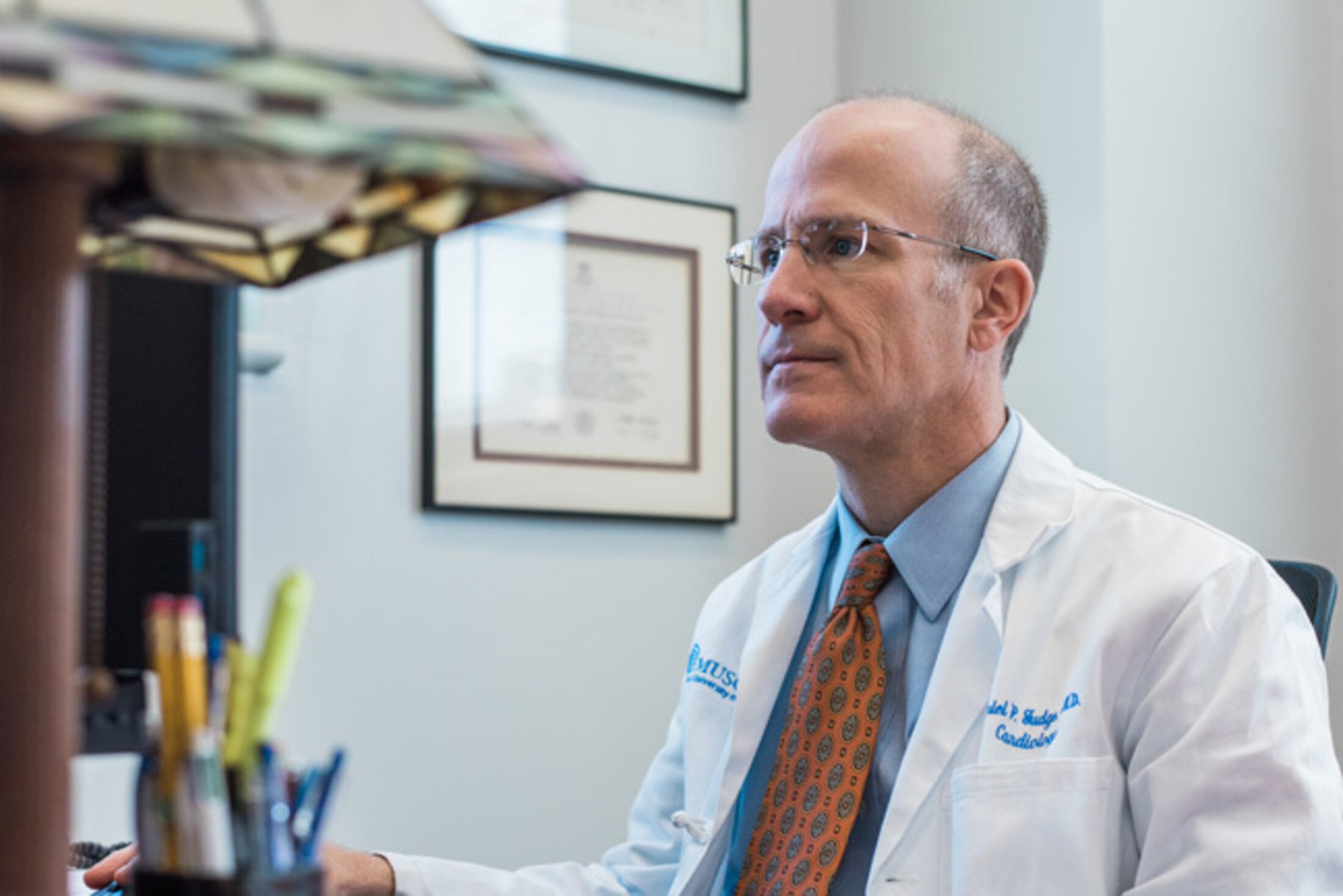
“In contrast with things that were available before, it's the first time I've seen people get better. It's not everybody. I think 12% in one sub-study of the phase 3 trial had improvement. But it does happen that people, for the first time in my career, are getting better with this condition.”
NTLA-2001
Judge said the gene-editing treatment NTLA-2001, also known as nexiguran ziclumeran, or nex-z, is another promising possibility. “The mechanism is permanent deletion of the DNA for the TTR gene,” he said.
If successful, that could mean a cure for ATTR-CM. But it’s still being studied. MUSC is the only place in South Carolina involved in the medication’s international clinical trial.
ALXN2220
MUSC is also part of the trial testing the monoclonal antibody ALXN2220. Monoclonal antibodies are made in labs to target specific diseases. This one is intended to get the immune system to deplete the protein deposits that come with ATTR-CM.
Nucresiran
A potential treatment called nucresiran has Judge’s attention as well. “The medicine targets RNA to decrease the amount of TTR protein produced,” he said.
It was developed to reduce TTR levels to a greater extent than other approved treatments and to act longer. “This hopefully prevents amyloid from worsening. An important caveat of this study is that all participants will be taking a medicine that stabilizes TTR – tafamidis or acoramidis. Half will get a placebo, so the study will be comparing tafamidis/acoramidis alone versus tafamidis/acoramidis plus nucresiran.”
Going forward
Judge said all of the treatments have good rationales. “And I think what we need are more studies to figure out which one's better. Are there combinations that work better than single agents?”
In the meantime, Addison, his patient in the Wainua trial, encouraged others to speak up if they have symptoms. It could be a life-or-death decision, he said. “People who are feeling bloated and that sort of thing – don't be shy about mentioning it to your doctors.”