

Cancer doesn’t stop for COVID, and neither does cancer research. Despite the pandemic, Jezabel R. Blanco, Ph.D., has been busy setting up her lab since her arrival at the Medical University of South Carolina in January. She recently learned she is one of only two recipients nationwide of a $300,000 career development grant from the Rally Foundation for pediatric cancer researchers at the beginning of their careers.
Blanco studies the most common malignant pediatric brain tumor, medulloblastoma, with a particular focus on the small group of patients who have both the medulloblastoma subtype known as Sonic hedgehog and a gene mutation that affects the protein known as the “guardian of the genome,” P53, because of its role in sensing DNA damage and fixing it. Although patients with the Sonic hedgehog subtype of medulloblastoma have an overall 75% five-year survival rate, patients with the gene mutation that she studies rarely make it to the five-year mark.
“It’s one of the most lethal subtypes of medulloblastoma,” she said.
This tumor doesn’t respond to the standard of care and hasn’t responded to Sonic Hedgehog inhibitors currently in clinical trials, either, she said. She’s investigating whether alternative ways to block the Sonic hedgehog pathway, a pathway critical to embryonic brain and spinal development, or re-activate P53 signaling in these patients will have an effect on the tumor. Ultimately, she hopes to find a potential drug target to treat these patients, but even more importantly, she hopes to target the tumor so specifically that the treatment is less toxic to the rest of the body. Unfortunately, because in most cases pediatric brain cancer treatment involves radiation on a still-developing brain, the long-term side effects can be significant.
Blanco earned her doctorate in neuroscience then began postdoctorate work at the University of Miami in a lab focused in development and cancer. There, she was able to apply her knowledge of neuroscience to investigating medulloblastomas. After completing her postdoc, she knew she wanted to remain in academic medicine and continue her medulloblastoma research.
“MUSC was a good opportunity because it has a pediatric institute for research, and that’s not very common. If you want to do pediatric research, there are very few institutions in the States,” she said.
Andrew Atz, M.D. chairman of the Department of Pediatrics, said Blanco's neuroscience background gives her a unique strength in cancer research.
“I see her as a future leader who will make a significant contribution to the neurosciences, and more in particular to the pediatric neuro-oncology field,” he said.
Blanco feels driven to make a difference for children. Because patients who fit this profile are so rare, there is little funding for research – and pediatric cancer as a whole is a field that advocates say is already underfunded. Private foundations, usually started by people with personal ties to someone with cancer, help to fill the gaps.
“When you speak with people from these foundations, it’s always bittersweet. Because you’re happy you got your grant, but it’s really sad to listen to their stories,” Blanco said.
The families carry this sadness all of their lives, she said. Blanco hopes her work will instead provide some hope for future families who receive news of their child’s cancer diagnosis.
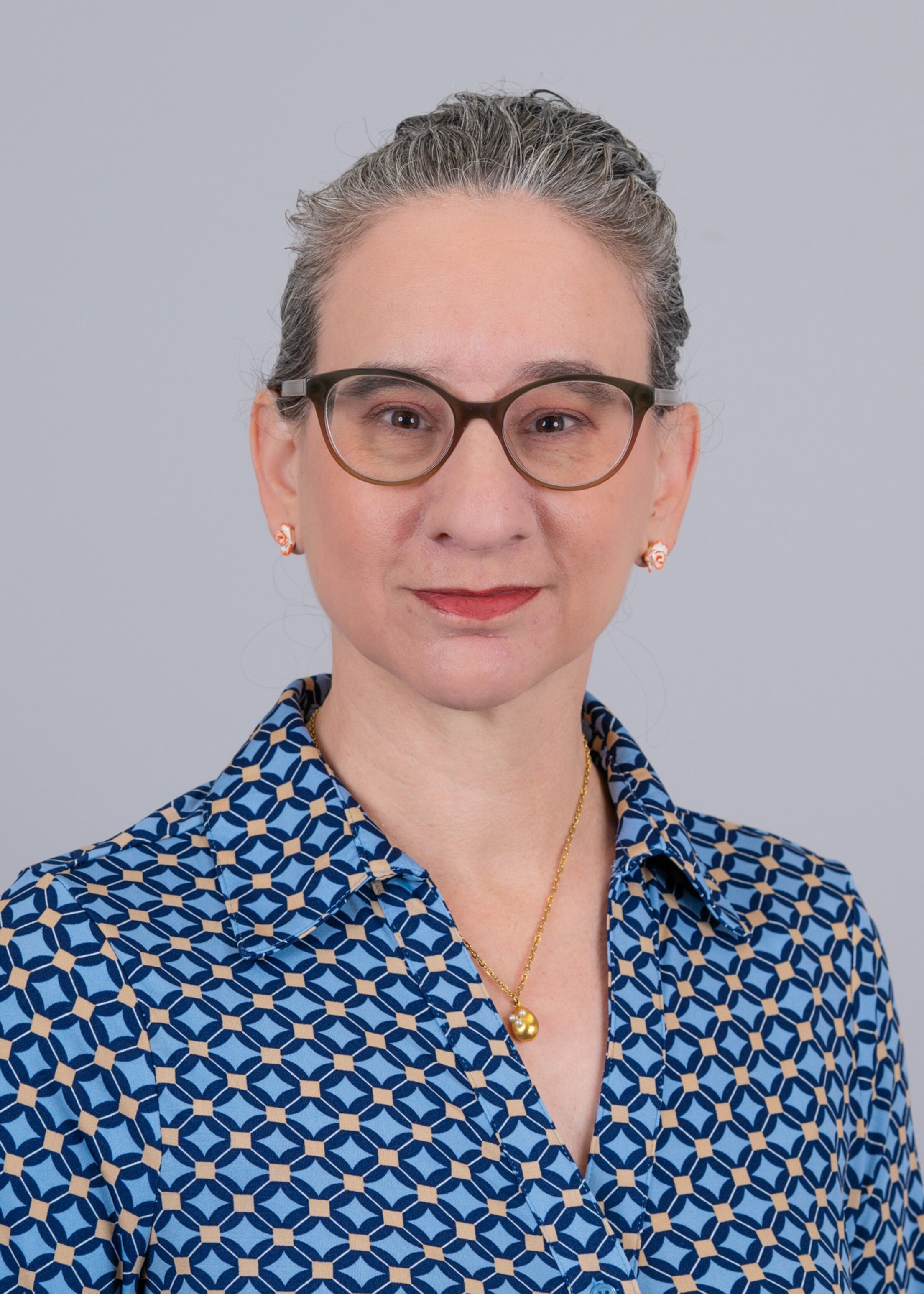
Leslie Cantu
Senior Communications Manager
Leslie Cantu is the senior communications manager at MUSC Hollings Cancer Center, where she works with researchers, clinicians and patients to tell the people of South Carolina about the innovative work being done to improve cancer care for everyone in the state. She joined the MUSC Office of Communications and Marketing in 2018 after a career as an award-winning writer, editor and producer at community newspapers and local TV news. She transferred to the communications office at Hollings in 2022, where she happily finds something new and interesting to write about every day. Her favorite stories to cover at MUSC have included Match Day, the Angel Tree Parade, a clinical trial of CAR-T cell therapy and the many patients who have agreed to share their very personal struggles and triumphs.
Contact Leslie at cantul@musc.edu.
Recent Cancer Care stories