

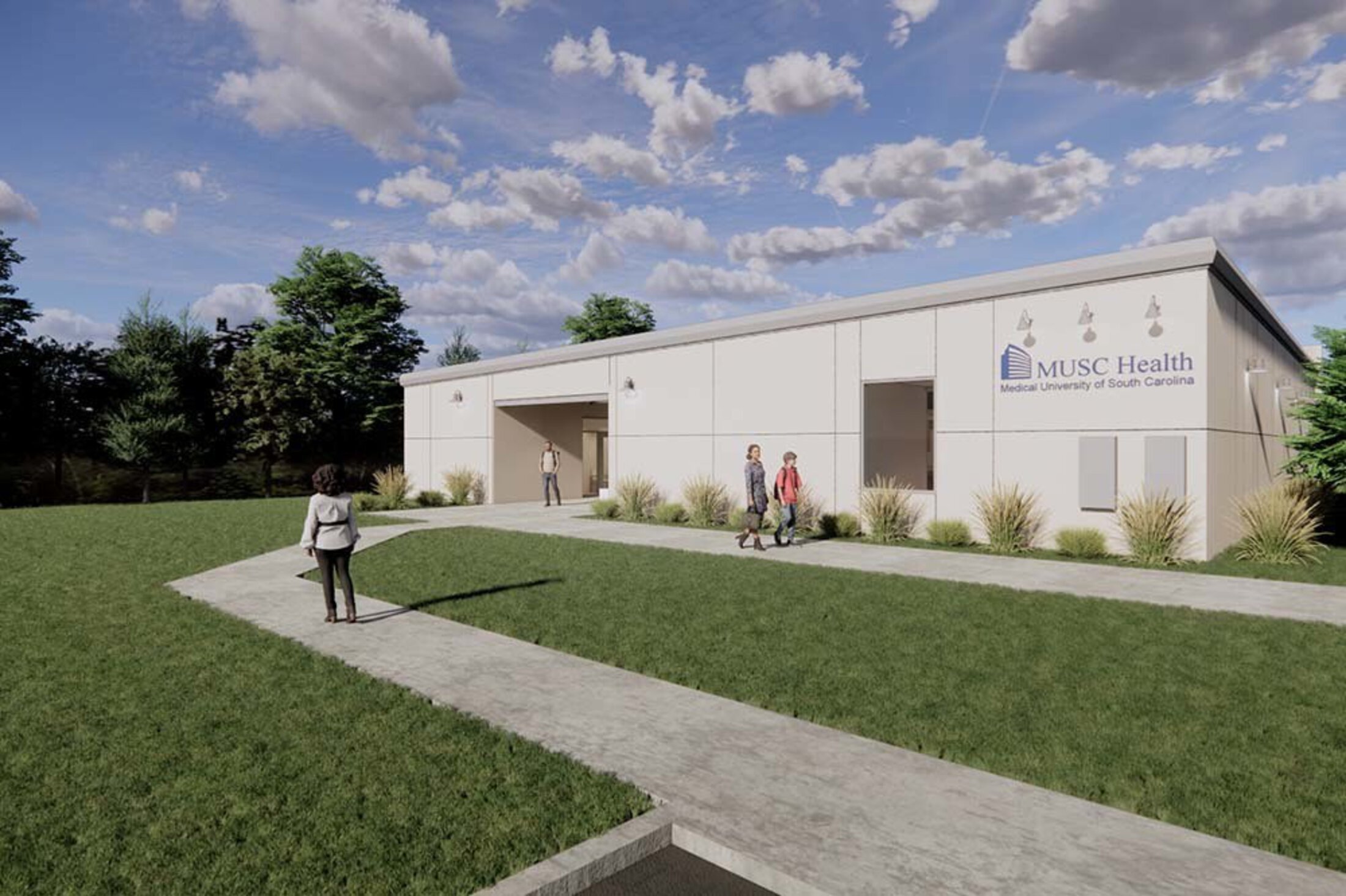
Leaders from MUSC Health joined federal, state and local officials to celebrate the groundbreaking of a new primary care facility in St. George, South Carolina, the seat of Dorchester County. The site will offer not only primary care but also occupational health care, along with:
- Annual wellness exams.
- Sports physicals.
- Vaccinations.
- Nutritional and diet support.
- Sick and injury visits.
- Chronic condition management.
- Hospital discharge follow-up visits.
- Laboratory testing.
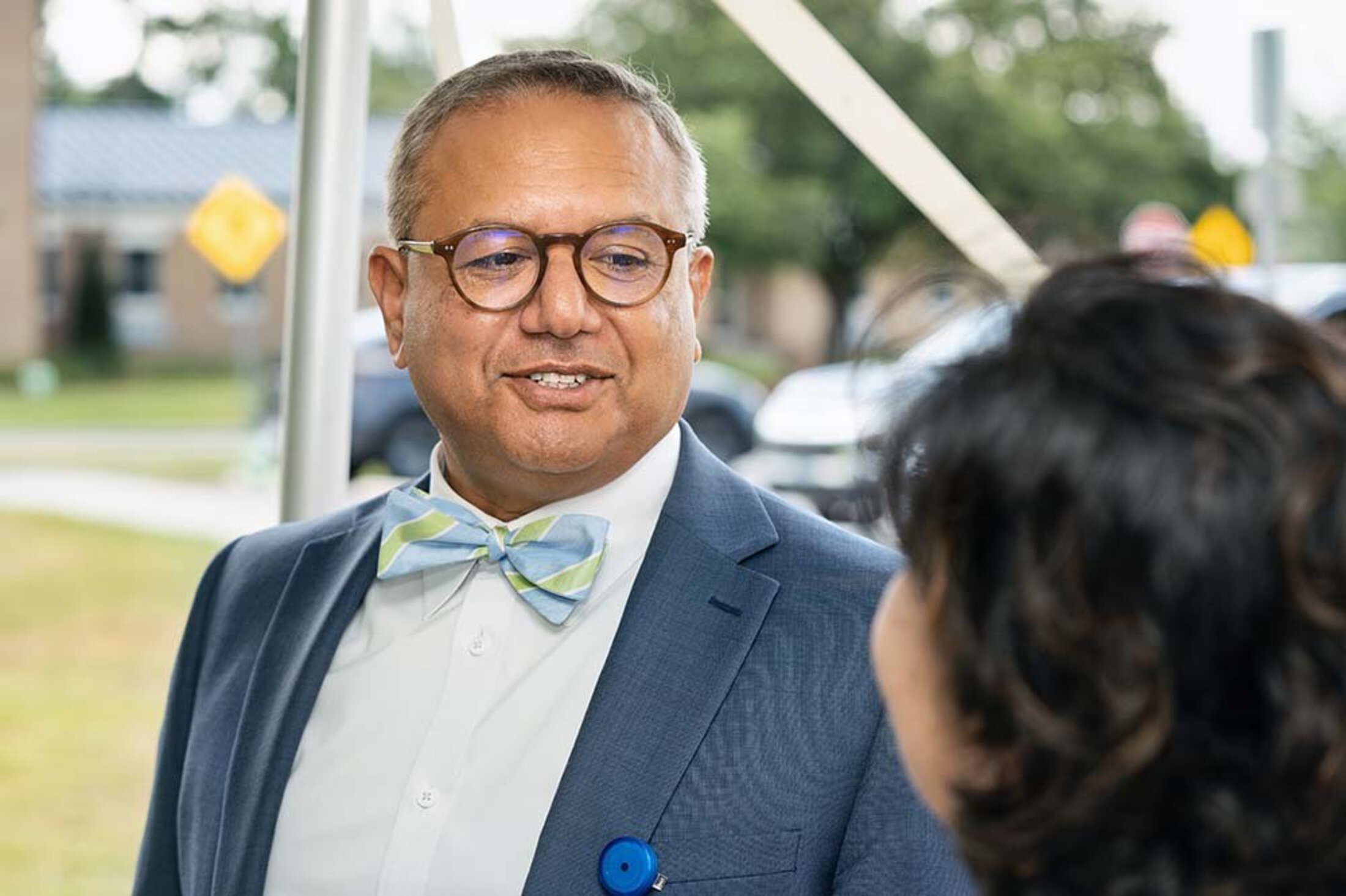
Saju Joy, M.D., MUSC Health-Charleston Division chief executive officer, said the facility is part of MUSC Health’s commitment to empowering healthy communities and expanding access to care. "This project reflects our shared vision with Dorchester County leaders to meet community needs, deliver the best care locally and invest in a healthier future for all."
Dorchester County is funding the project with a $1 million federal grant from the U.S. Department of Agriculture and about $2 million in American Rescue Plan Act funding. MUSC Health will lease the facility to care for patients. The Charleston Dorchester Mental Health Center will also provide services, including assessments, therapy for children and adults, nursing care and peer support.
The clinic is expected to open in less than a year. Joy said bringing care closer to home for more patients is a win-win for them and the health care providers who will serve them. “It’s critically important because we know that access is the biggest barrier that most patients and community leaders have. Rural access is even harder.”