

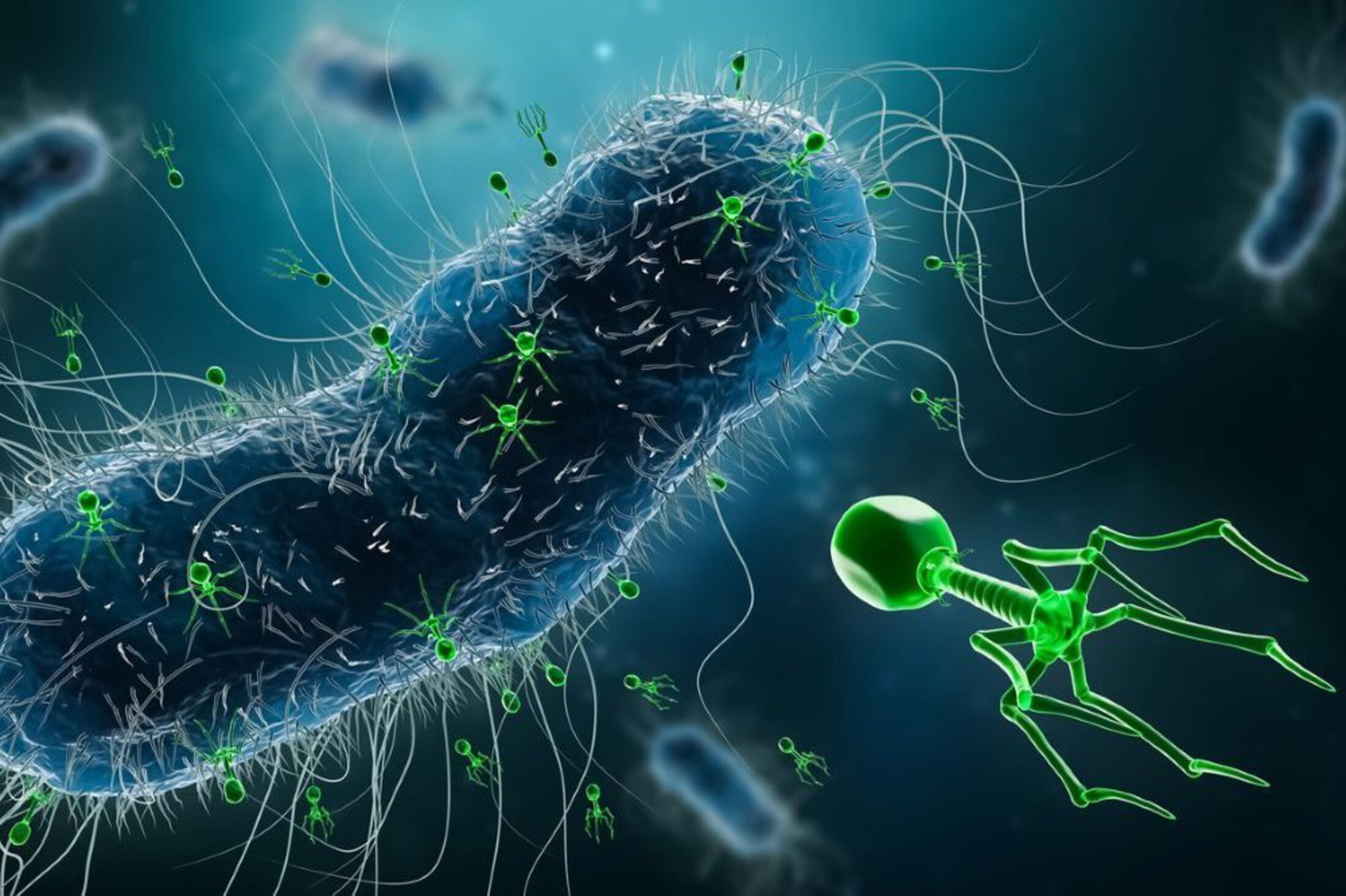
Deep within the microscopic world, an ancient battle unfolds. Bacteria multiply rapidly, claiming space and resources, while their natural viral predators—bacteriophages—lie in wait, ready to strike.
These tiny viruses can hunt precisely, latching onto bacteria to inject their genetic material and turn them into viral factories before causing them to burst. Though invisible to the naked eye, this microscopic competition has shaped life for billions of years. Now, scientists are exploring phages to combat antibiotic resistance and restore microbiome balance, particularly in the fight against superbugs—bacteria that are resistant to multiple antibiotics, making infections more challenging to treat.
How serious are these challenges?
According to the CDC, over 2.8 million antimicrobial-resistant infections occur in the U.S. each year, causing more than 35,000 deaths. Meanwhile, imbalances in the microbiome, or dysbiosis, are linked to chronic health conditions like inflammatory bowel disease, metabolic disorders and mental health disorders. These growing threats demand innovative solutions to manage bacterial overgrowth.
Bacteriophages offer a targeted solution that antibiotics can’t.
Bacteriophages, often called phages, specifically infect bacteria by recognizing unique molecular structures on their surfaces. Phages act like microscopic precision tools, akin to guided missiles that home in on their targets. Unlike broad-spectrum antibiotics or antimicrobials, which indiscriminately destroy entire bacterial populations, phages strike with pinpoint accuracy.