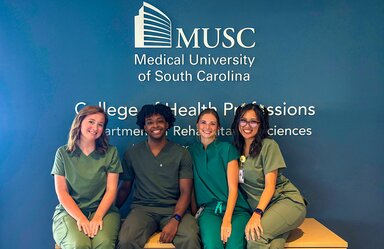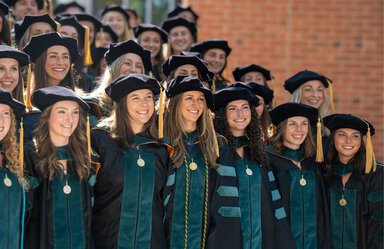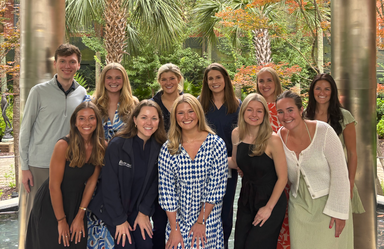

At MUSC’s new College of Health Professions (CHP) building, students, researchers and rehabilitation experts are working together in a shared space designed to bring education and discovery closer together. The path to that new space began in 2018 when Zoher Kapasi, Ph.D., became dean and quickly recognized that the college needed room to grow.
That need became increasingly apparent as enrollment grew 65% between 2019 and 2025. The largest college at MUSC, CHP is home to 1,099 students. In addition to its 16 undergraduate and graduate degree programs, the college offers residency, certificate and professional development opportunities – for a total of 27 academic programs. With growing demand for laboratory, research, clinical, simulation and rehabilitation space, the college had run out of room.
That is until CHP-D, the college’s fourth facility on campus, celebrated its grand opening on Oct. 9. The 89,000-squarefoot building, located at 74 President St., ultimately expanded to six floors. It includes two top floors dedicated to research aimed at helping people to recover movement and other abilities affected by neurological injuries and conditions.
What we are doing here will help the people of South Carolina, but what we are doing will also go beyond that – out into the world.
“This isn’t just an educational building,” Kapasi said. “This is for the people and the community we serve. What we are doing here will help the people of South Carolina, but what we are doing will also go beyond that – out into the world.”
Research and education
In addition to CHP-D being a new home for academic programs on floors 1 through 4, it was also designed to connect the people and disciplines involved in rehabilitation, creating opportunities for research discoveries to inform education and patient care, housing rehabilitation sciences, occupational and physical therapy and speech-language pathology.Cutting edge is the term Megan Donaldson, PT, Ph.D., who leads the Department of Rehabilitation Sciences, used to describe the research collaborative in the new CHP-D building.
“I’m enjoying students being active in the learning process,” she explained. “This new building presents a wonderful opportunity for students to participate in research.”
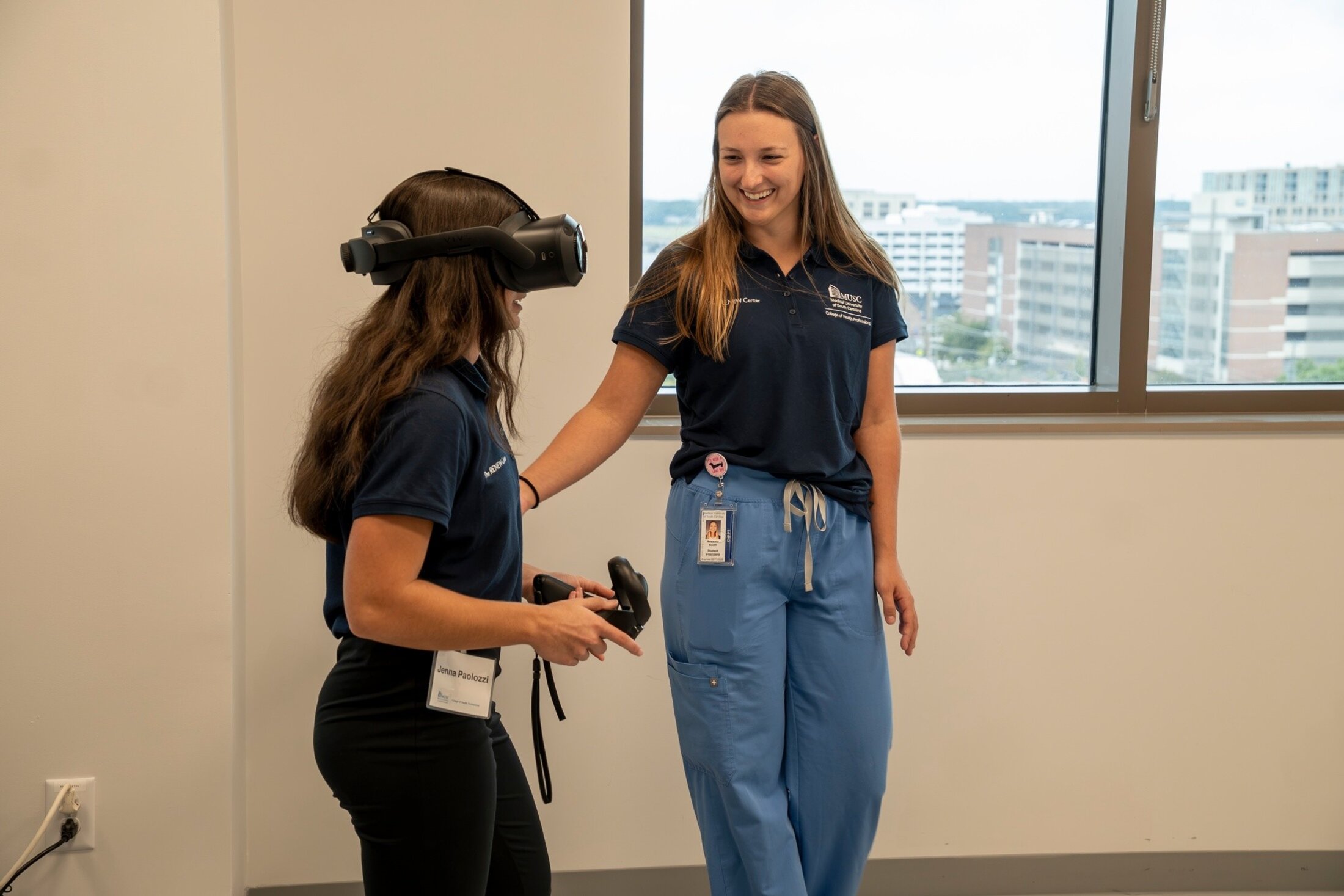
The second floor focuses specifically on real-life outcomes for people with disabilities, including their ability to maintain their health, participate in community activities, obtain and/or maintain gainful employment and experience a high quality of life and improved longevity.
Led by James Krause, Ph.D., Distinguished University Professor and the associate dean for Research, the Center for Rehabilitation Research in Neurological Conditions team works with spinal cord injury and multiple sclerosis patients as well as those who have had a stroke.
“We do things like identify how outcomes change for people over time as they age and the types of factors leading to better outcomes. We develop tools to help people better adapt and avoid negative health outcomes by looking at individual circumstances, behaviors and general environmental factors,” Krause said.
RENEW
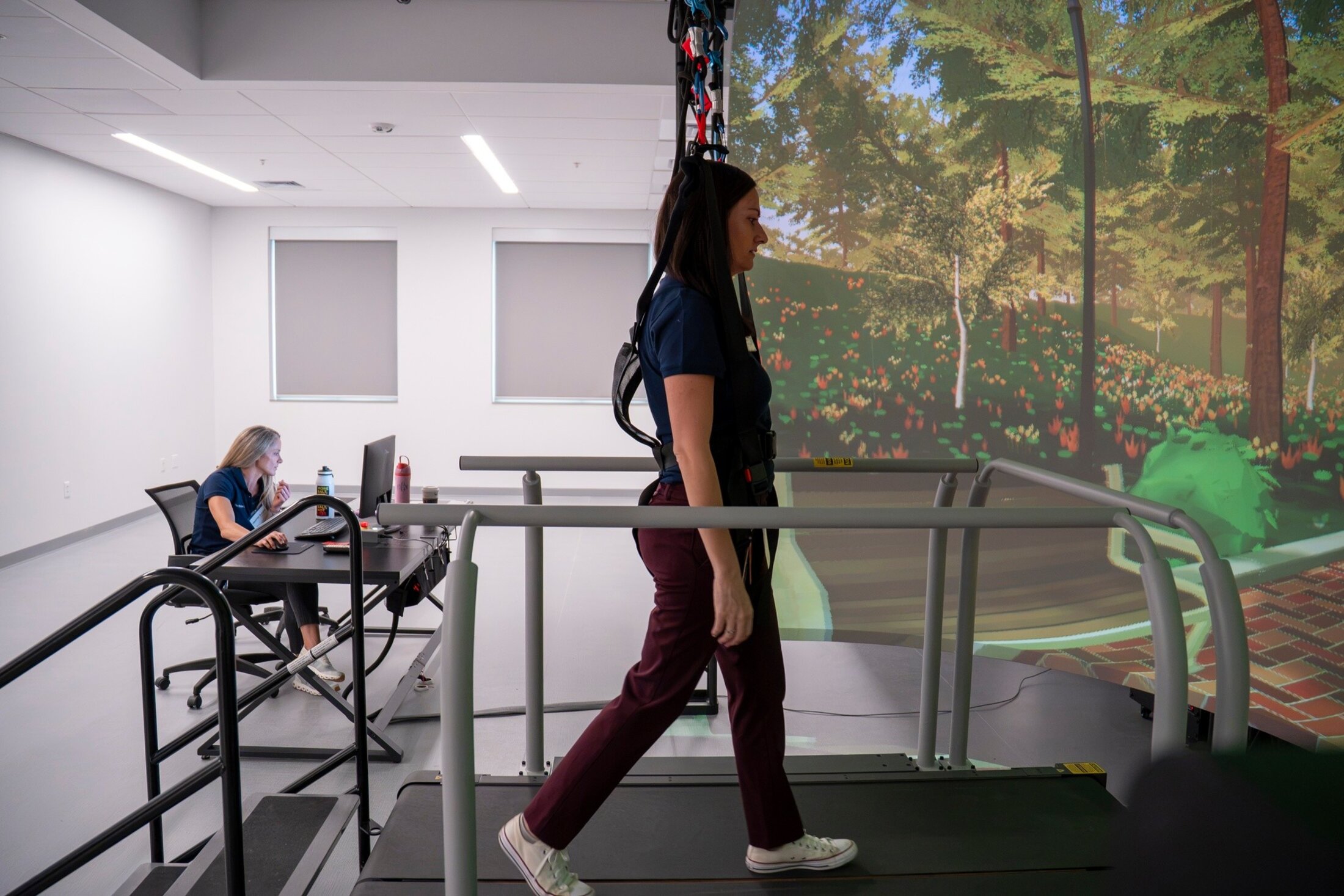
The new Clinical Research Center for Restoration of Neural-Based Function in the Real World (RENEW) is housed on floors 5 and 6. It was funded in part by a $7.8 million National Institutes of Health grant awarded to Steven Kautz, Ph.D., Distinguished University Professor and chair of the Department of Health Sciences and Research. RENEW supports cutting-edge studies to advance care for individuals who have experienced a stroke or other neurological conditions.RENEW researchers will study how the nervous system supports movements and other aspects of daily life and how those abilities can be restored after injury, disease or as people age. These findings could help to guide the development of treatments that improve people’s everyday functioning.
“RENEW is the first specialized core facility at MUSC and in South Carolina designed to bring together investigators from multiple colleges and departments to advance research focused on restoring neural-based function in the real-world environments where people live, work and participate in their communities through the use of cutting-edge technology, such as a treadmill-based virtual reality system and specialized telehealth-enabled rooms,” Kautz said.
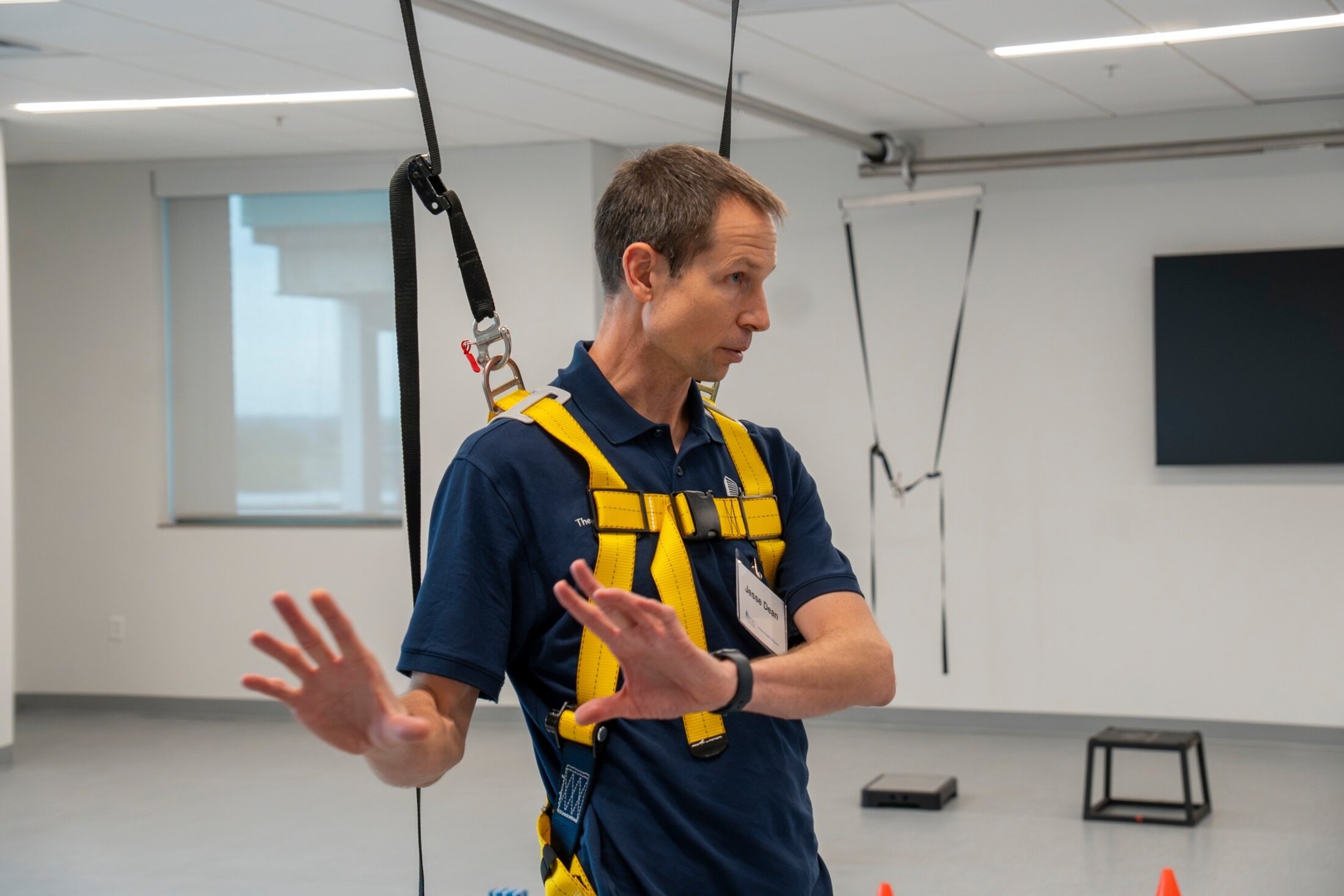
Kapasi added that the RENEW Center was critically needed at MUSC because of South Carolina’s health crisis related to an aging and substantially rural population with a disproportionate disability burden due to stroke.
South Carolina is also the fifth fastest-growing state in the adult population of 65 and over and has the 19th-largest rural population.
RENEW brings together four areas of research: neural function, physical function, psychosocial function and innovation and technology. Its four specialized labs provide shared equipment, resources and expertise to support research on neural circuits and therapeutic neuromodulation – approaches that use targeted stimulation to influence nervous system activity.
“Without these unique resources in a central specialized facility populated by talented interdisciplinary investigators, the positive and lasting functional impacts on the lived environments of South Carolina residents would be dramatically reduced – especially for our sizeable rural and underserved populations,” Kautz said.
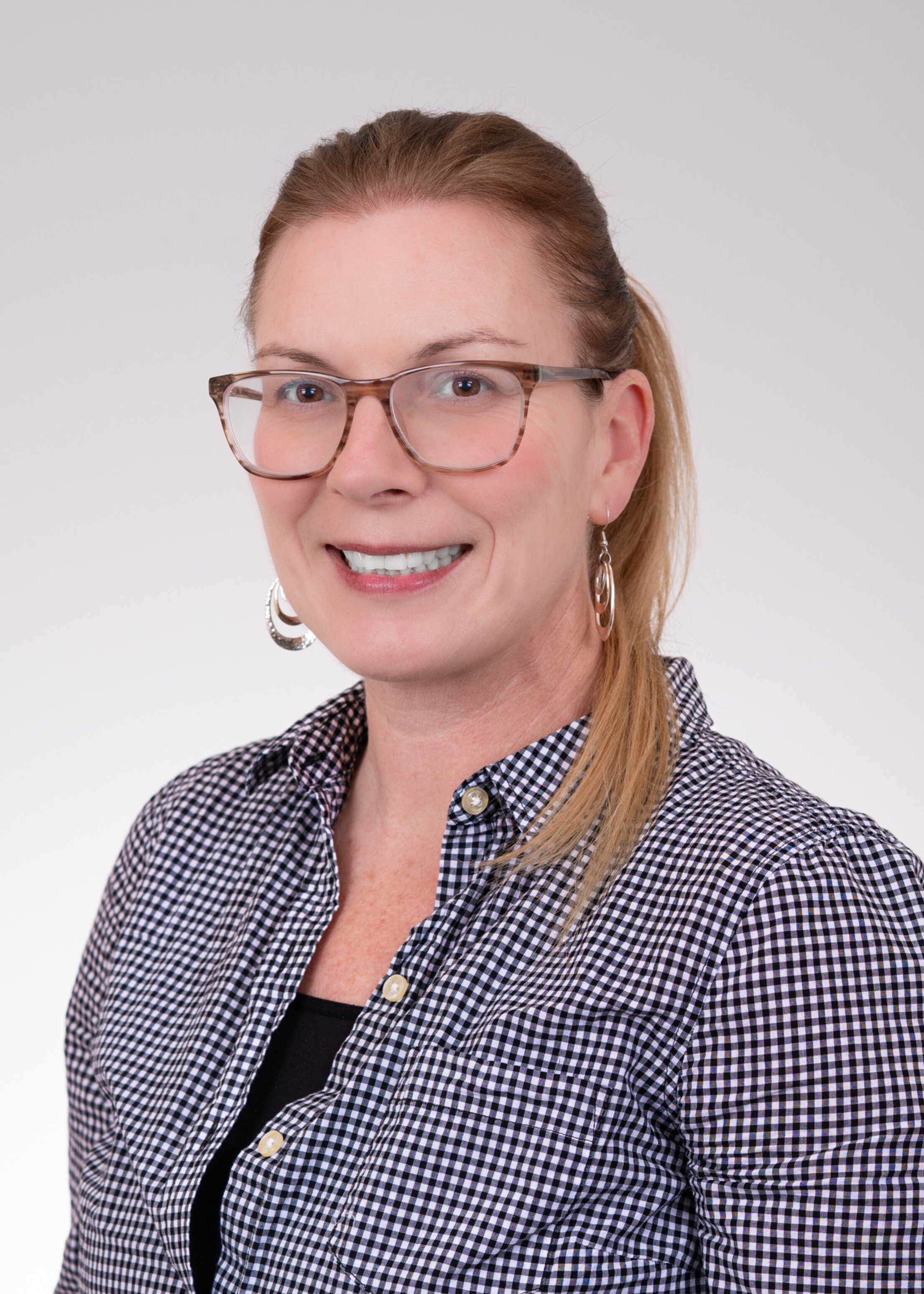
Theresa Stratford
Theresa Stratford is the editor for MUSC’s newspaper, The Catalyst. She has worked as a writer and editor for 25 years since graduating from the University of South Carolina with a Bachelor of Arts degree in journalism and mass communications. As a writer, she has worked for the federal government in cybersecurity and for the Department of Energy. As both a writer and an editor, she has worked for a variety of syndications, including national magazines, such as Vogue Knitting, as well as many local Charleston and South Carolina publications.
Recent CHP Student Stories stories