
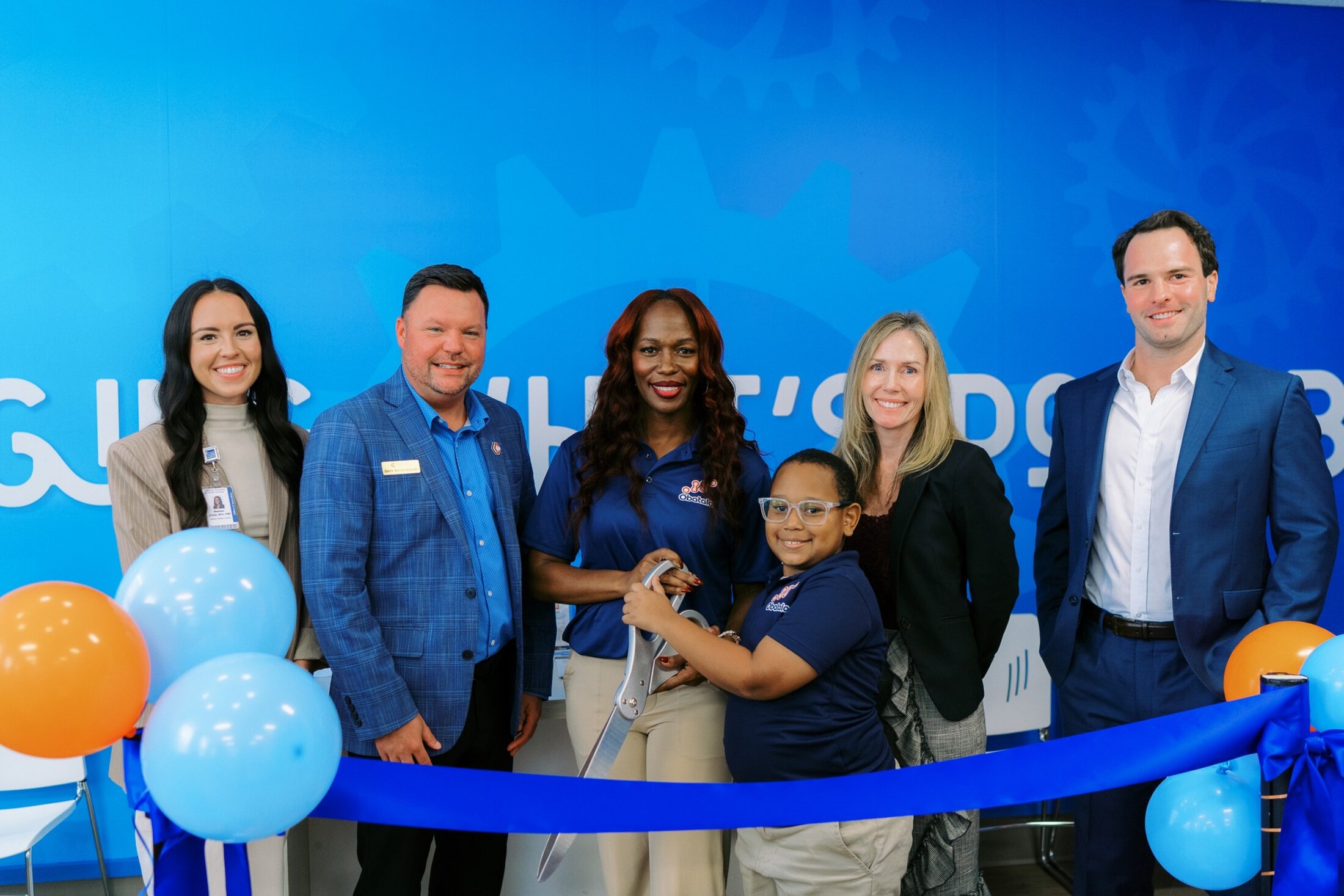
When Obatala Sciences began to scout for locations to expand into, they didn’t have to look far after discovering Charleston and MUSC’s Blue Sky Labs.
New Orleans-based Obatala Sciences opened its first East Coast operation in October at Blue Sky Labs, bringing technology that uses human-derived materials to help researchers to study disease and evaluate potential treatments.
This means that before therapies and treatment ever reach patients, the innovation provided by Obatala will have been tested on human-derived biomaterials and microphysiological models.
Obatala develops and manufactures biomaterials, stem cells, cell culture media and advanced tissue models to support preclinical medical research. At Blue Sky Labs, the company will focus on partnership development, translational research, product development and future scale-up tied to its human tissue model technologies. Those models are lab-built systems that mimic how human tissues and organs behave, giving researchers a way to study disease and test potential therapies before giving them to patients.
The addition of Obatala on MUSC’s campus also represents another step in MUSC’s efforts to connect academic research with biotechnology companies, potentially creating opportunities for collaboration in areas such as cancer, metabolic disease and regenerative medicine.
Establishing a presence in Charleston allows us to bring our human-derived research tools and preclinical models to more researchers and partners, while expanding what our platform can deliver.
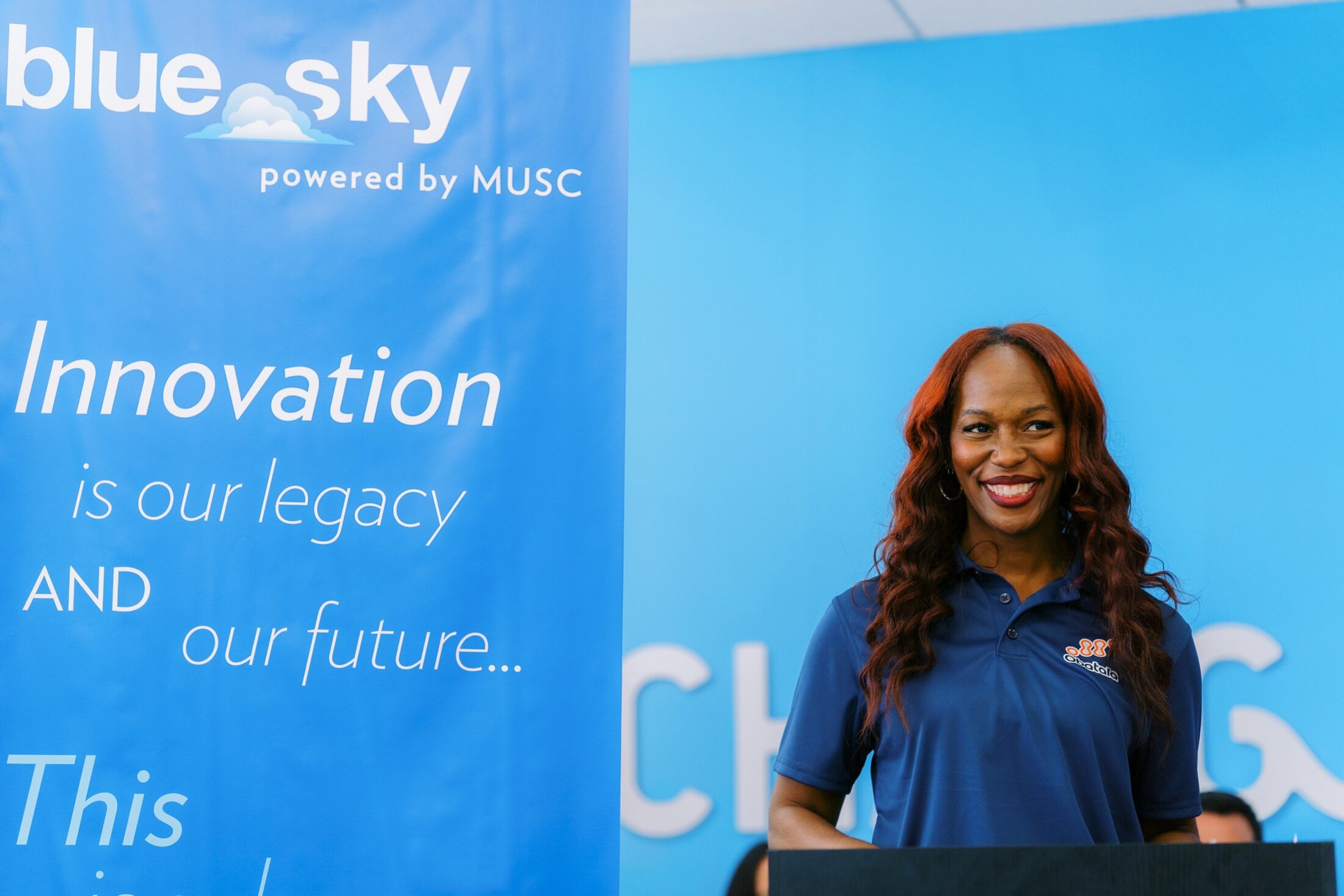
“Establishing a presence in Charleston allows us to bring our human-derived research tools and preclinical models to more researchers and partners, while expanding what our platform can deliver,” said Trivia Frazier, Ph.D., co-founder, president and CEO of Obatala Sciences in New Orleans.
Madisen Shirey, director of strategic projects in the Office of Innovation at Blue Sky Labs, said that Obatala’s tissue engineering and drug development efforts will benefit patients locally as well as nationally and internationally. It also strengthens Blue Sky Labs as a bridge between academic research and commercial biotechnology.
“Obatala Sciences is perfect for Blue Sky Labs,” Shirey explained. “Between what we can offer them as far as space goes, and the opportunities they will have to collaborate with MUSC and the other companies within Blue Sky Labs, Obatala is the perfect fit.”
Joe Affsprung, director of Global Business Development with the Charleston Regional Development Alliance, said he is excited about Obatala’s innovative work in biotechnology and medical research and how that can bring new capabilities to the region.
“MUSC is an especially valuable asset, providing the clinical expertise and infrastructure that companies like Obatala need to bring new discoveries to market. Combined with our region’s strong network of public and private partners, these resources create an environment where Obatala can innovate, build relationships and pursue long-term growth,” said Affsprung.
Obatala’s focus on biotechnology, human-derived research models, preclinical drug development and regenerative medicine aligns with Blue Sky Labs’ role in supporting commercial life sciences activity within MUSC’s innovation ecosystem.
Merle Johnson, executive director for Charleston County Economic Development, noted Obatala’s presence in Blue Sky Labs serves as a foundation for continued growth, collaboration and career opportunities.
“They will give students and residents more opportunities to build careers in life sciences locally. Bringing together companies, MUSC and our workforce and economic development partners can help turn research strengths into lasting economic opportunity for Charleston County,” Johnson said.
In the end, welcoming Obatala to the MUSC campus means bringing more opportunities for innovative care to patients.
Obatala’s vision statement reads: “We envision a world where enriched preclinical insights create future therapies that are accessible, equitable and effective for patients worldwide regardless of demographic and socioeconomic backgrounds.”
As for Blue Sky Labs, its vision statement is simple: “To be a vibrant place for innovation and health transformation in the heart of our community.”
“Our goals are well-aligned with that of MUSC. Proximity to MUSC creates opportunities to build relationships, exchange expertise and ultimately strengthen the connection between the technologies we develop, and the biomedical questions researchers are working to solve,” Frazier said.
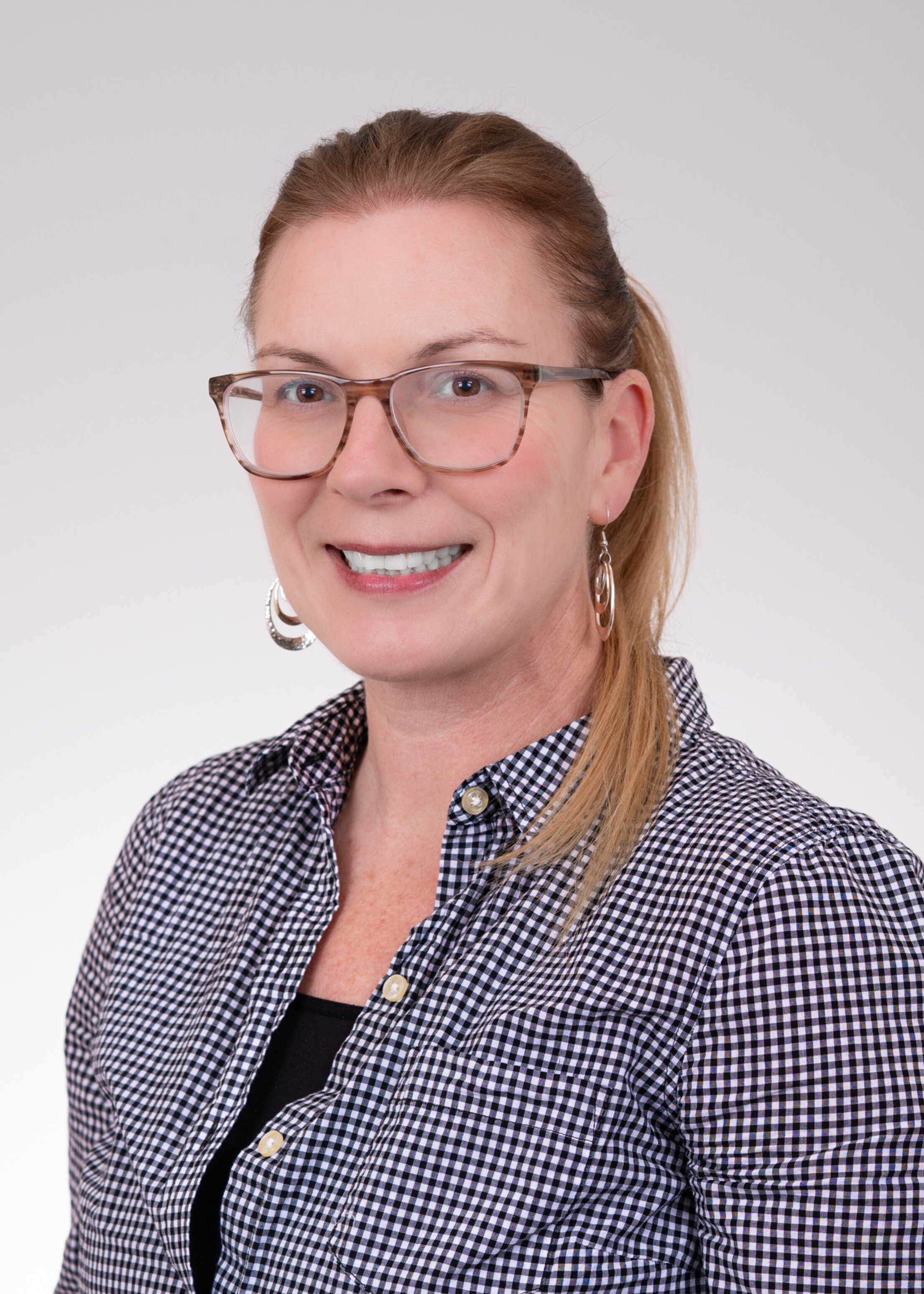
Theresa Stratford
Theresa Stratford is the editor for MUSC’s newspaper, The Catalyst. She has worked as a writer and editor for 25 years since graduating from the University of South Carolina with a Bachelor of Arts degree in journalism and mass communications. As a writer, she has worked for the federal government in cybersecurity and for the Department of Energy. As both a writer and an editor, she has worked for a variety of syndications, including national magazines, such as Vogue Knitting, as well as many local Charleston and South Carolina publications.
Recent MUSC News stories