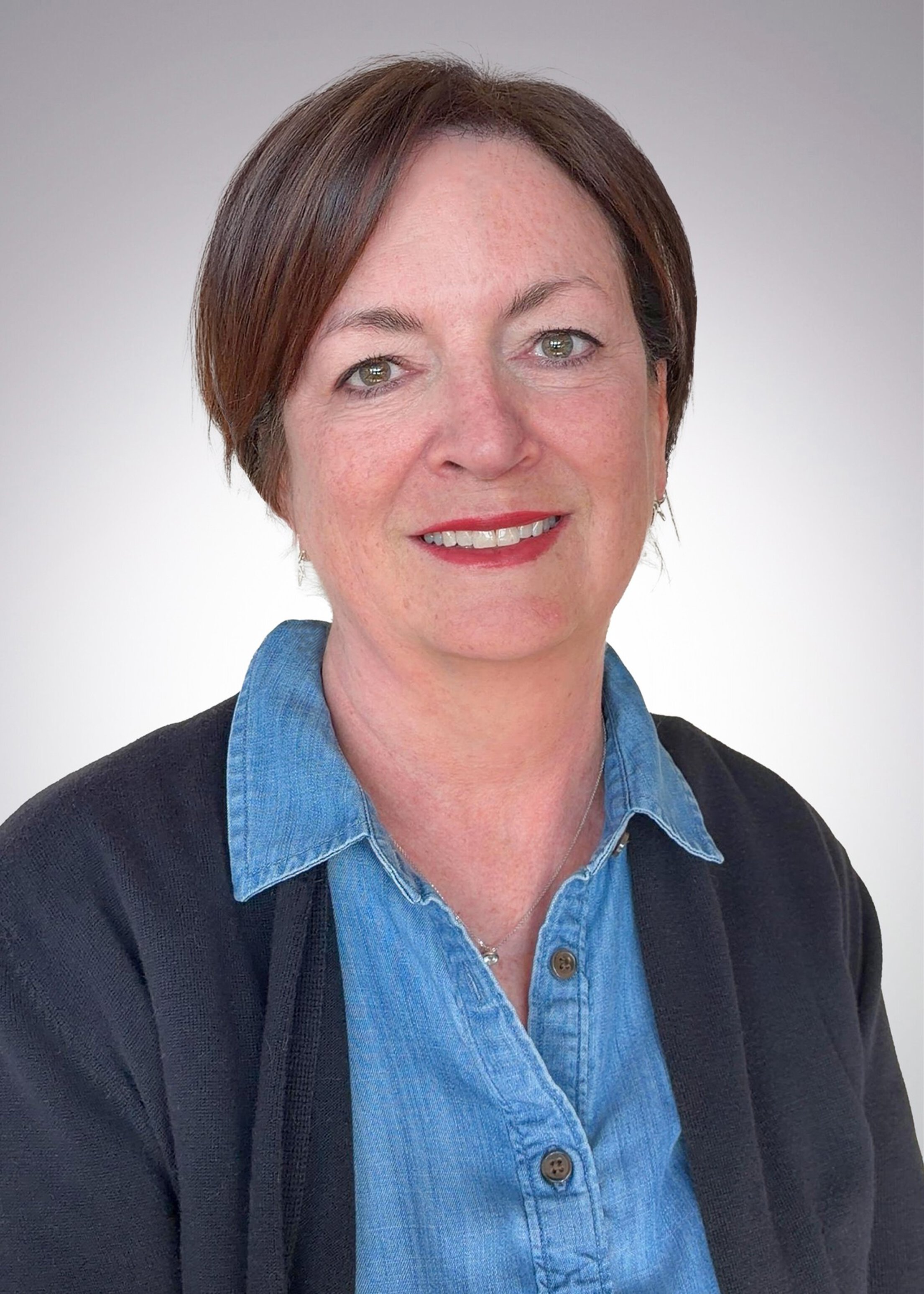

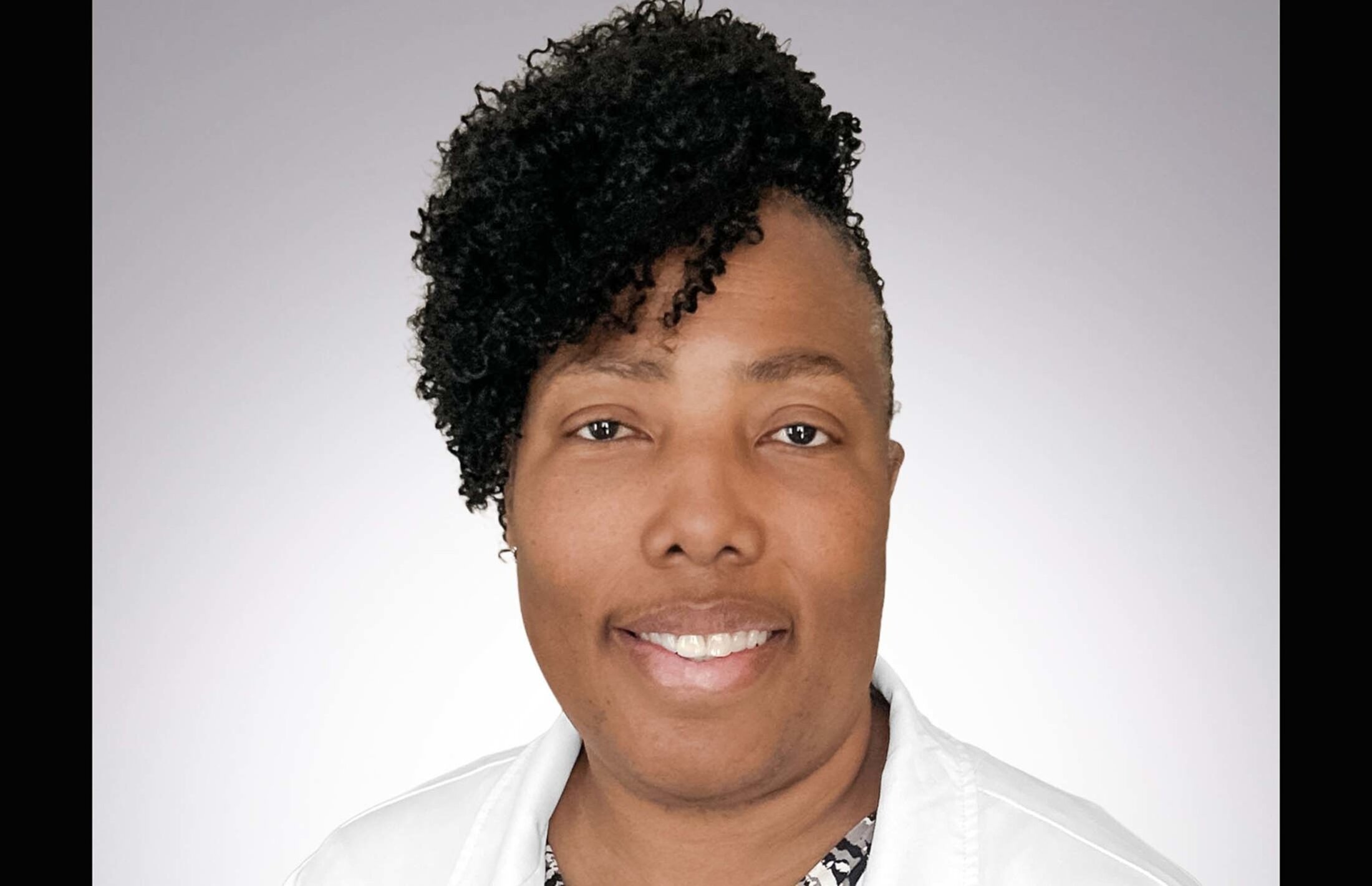
When Myra Carraway met nurse practitioner Shelia Scott at the new MUSC Health Rena N. Grant Sickle Cell Center in Kingstree, she learned at her first appointment that Scott knows about the disease not only as a specialist but also as a woman with family members who have it.
“She told us that, and that’s what really made me feel good with her because she understands,” Carraway said.
Scott understands the challenges that people face while living with sickle cell disease, a group of red blood cell disorders. The inherited condition causes red blood cells to become C-shaped, like a farm tool known as a sickle, instead of round. The cells can get stuck in small blood vessels, clogging blood flow.
That causes pain and can lead to other problems, including infections, along with medical emergencies such as the lung complication known as acute chest syndrome and stroke.
“I have the sickle cell genetic trait,” Scott said, meaning she has one sickle cell gene and one normal one. “I also grew up with family members with sickle cell disease and watched some of them pass away.”
Sickle cell disease affects an estimated 100,000 people in the United States. Most are non-Hispanic Black or African American, according to the Centers for Disease Control and Prevention.
It’s a life-altering condition, Carraway said. “I don’t go anywhere unless it’s my doctor’s appointments and church on Sundays.”
Those medical appointments are now in her hometown of Kingstree instead of an hour’s drive away in Florence. Scott said it’s important to bring care closer to where people with sickle cell disease live, wherever that may be. They’re already dealing with a lot.
“They’re supposed to get regular lab work and preventive care. But because of health disparities in rural areas, sometimes it is very difficult. Especially the ones who have sickle cell anemia,” she said, referring to the most severe form of sickle cell disease.
“They are the ones who are always sickly. They have chronic pain. There is sometimes a high risk for stroke or organ damage. If they’re in chronic pain, they don’t want to go anywhere.”
That’s why her clinic, at the intersection of Nelson Boulevard and Thurgood Marshall Highway, looks at the bigger picture for patients. “What’s not always talked about is the overall need. Not just labs, not just X-rays, but their whole aspect to see what we could do to help them get on a positive note. Sickle cell can cause anxiety and depression, and they may not have been able to get what they need.”
Scott also works to get patients who qualify into MUSC Health’s clinical trials for people with sickle cell disease at a time of transformative and even curative treatment possibilities. They’re based in Charleston.
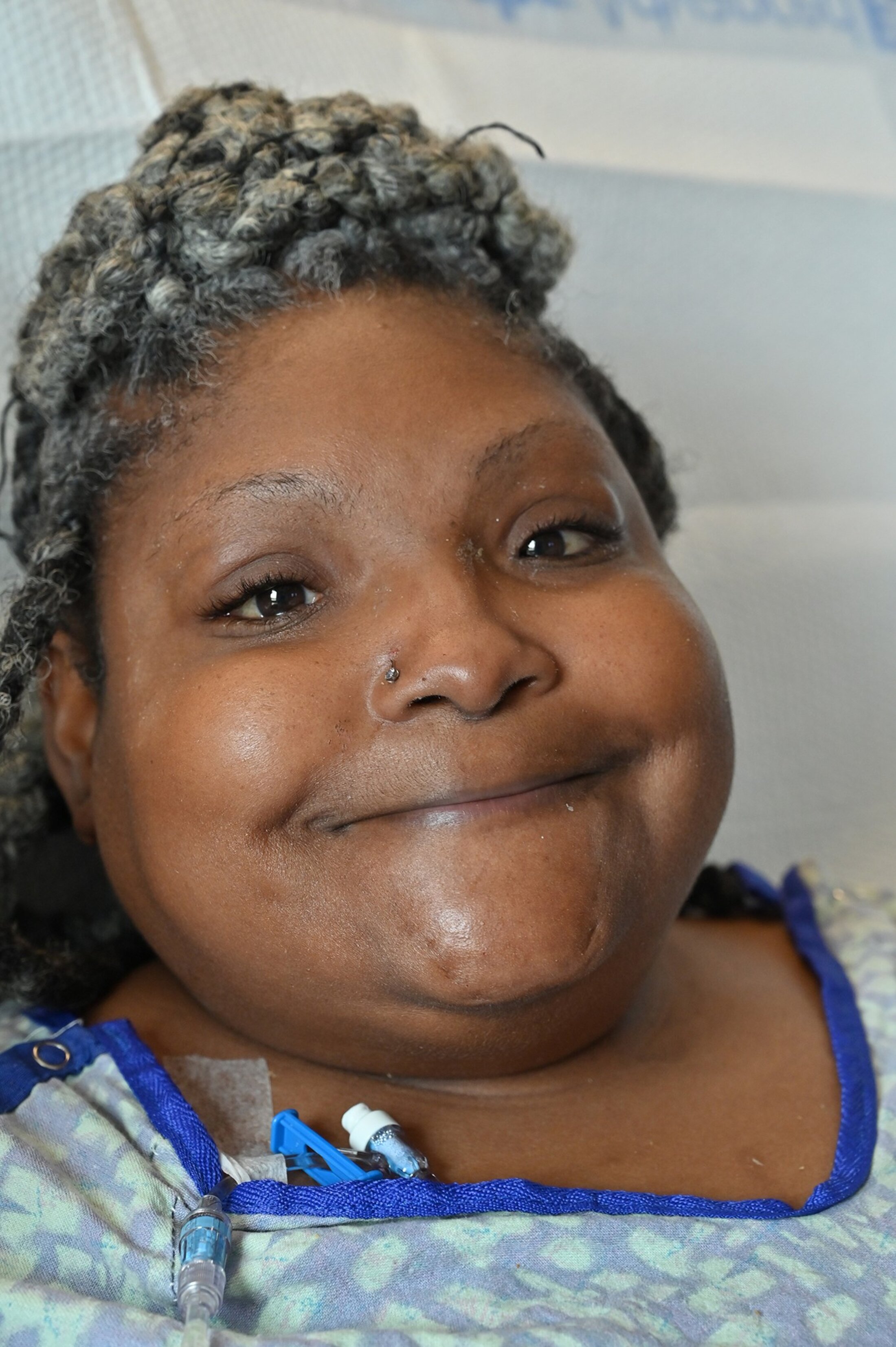
And Scott is pulling off some transformations of her own in Kingstree. Carraway is one of them. “The first day I saw her, she was not feeling well at all,” Scott said. “She was already suffering from acute chest syndrome and wearing nasal cannulas,” devices that helped Carraway breathe.
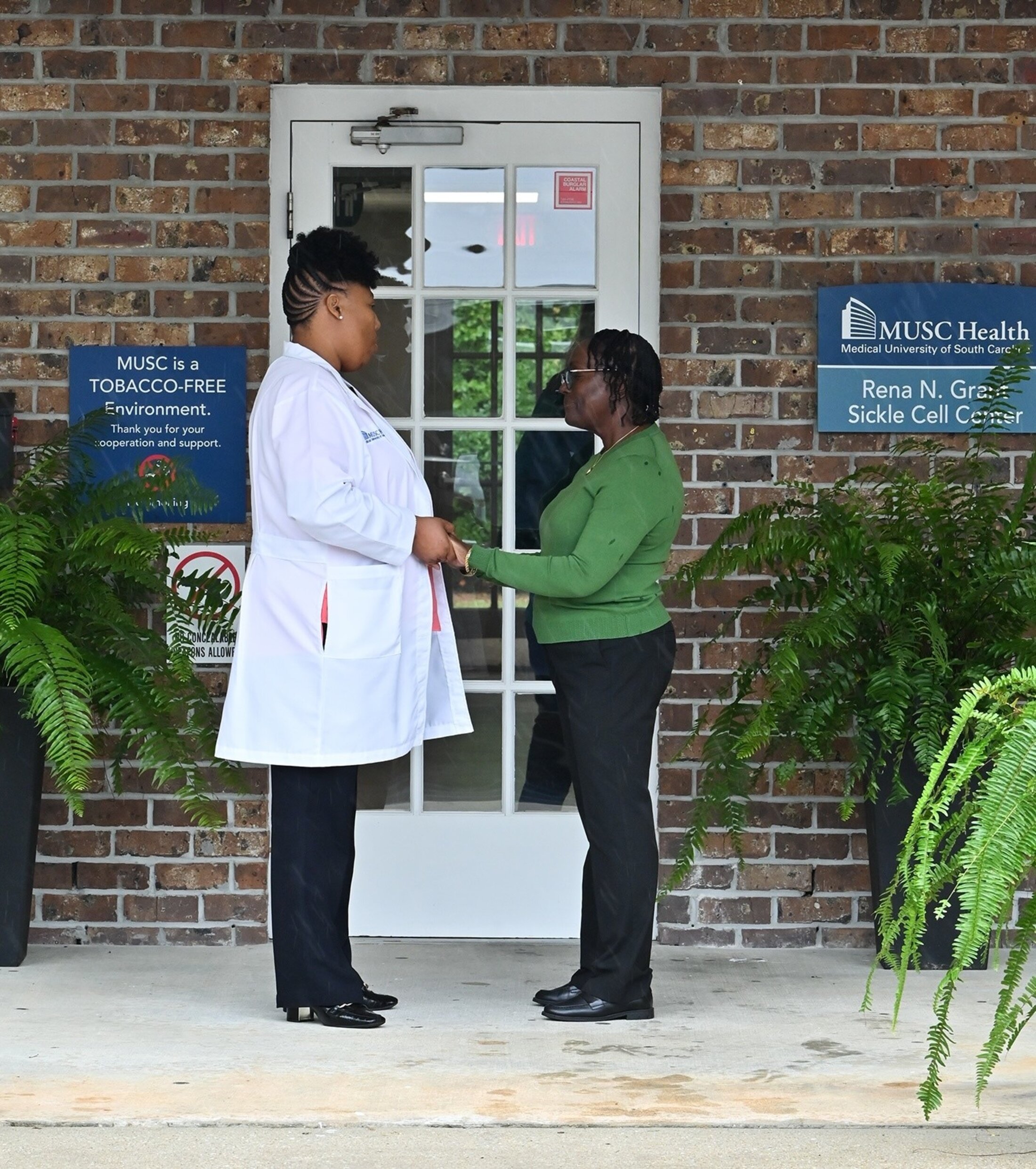
Scott took time to talk through some changes that might help ease the young woman’s symptoms. “I was able to give her a lot of hope. She saw her brother go through the same thing she’s going through. And she saw her brother pass away. We did some education and helped her understand comfort measures she can do. Psychologically and socially. And she took that to heart.”
At Carraway’s next appointment, “She was a new woman,” Scott said. “I walked in the room and looked at her. Then I walked back out of the room, came back, and she started laughing. And I said, ‘Oh my God, you look outstanding.’ She wasn't even wearing a nasal cannula.”
Carraway still keeps her cannula close at hand. But she feels much better than before. Her mother, Henrietta Green, is happy to see the changes – including a new focus on drinking water rather than sweeter alternatives. “I don't think Myra has had any soda since – May?” she said.
“Now she'll do whatever they tell her to do. Thank God she found one she can relate to, you know.”
Carraway agreed. “I really like her.”