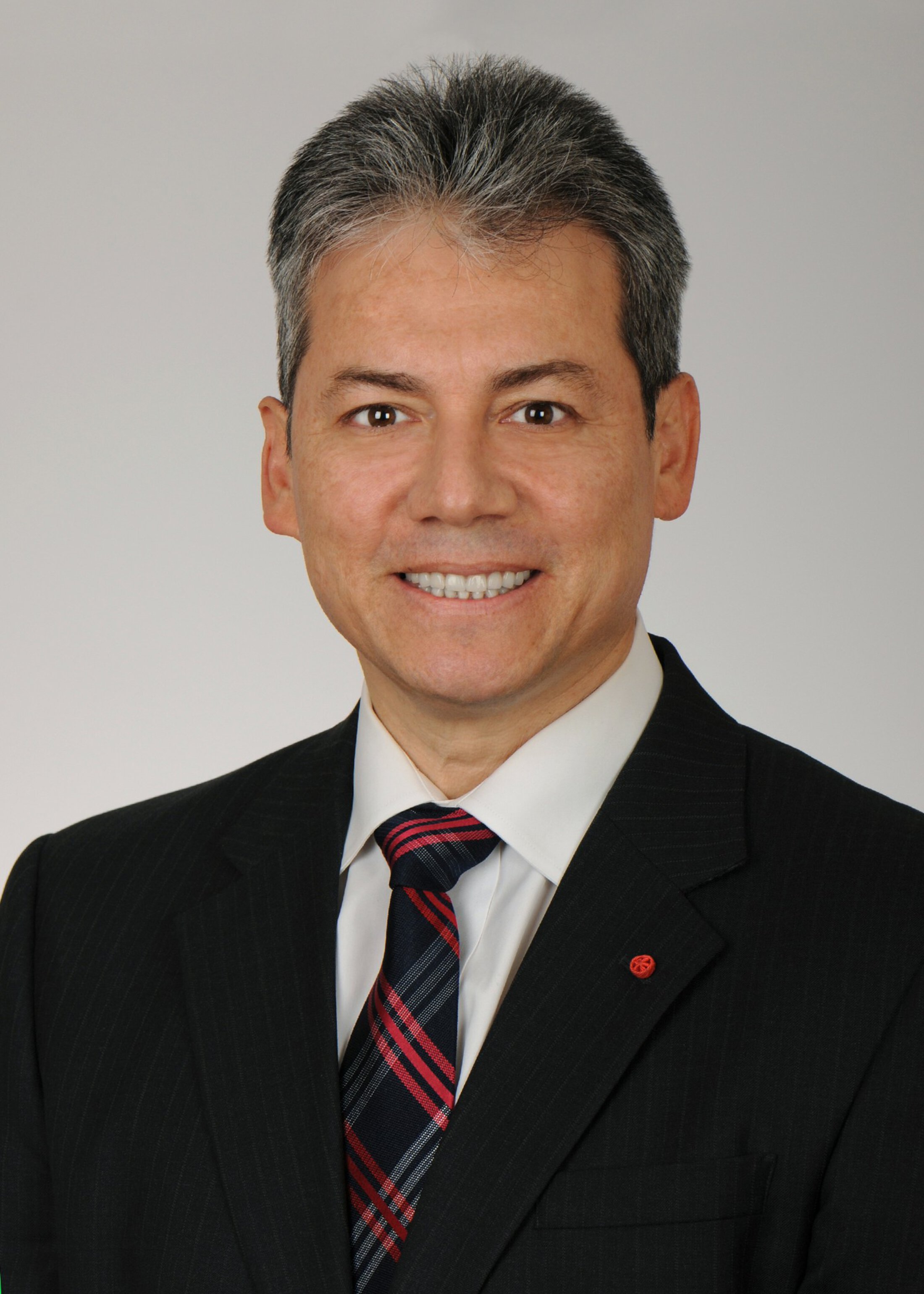
Hermes Florez, M.D., Ph.D., chair of the Department of Public Health Sciences at the Medical University of South Carolina, is taking a series of steps to help the country he grew up in, Venezuela, recover from two powerful earthquakes and their aftershocks.
“We have been very busy activating different networks to support the Venezuelan population, including colleagues from my medical class of 1993 and my wife's medical class of 1995 who are still living in Venezuela, and got supplies from the west of the country and drove to the area impacted near Caracas.”
Florez and his wife, Sumy, went to medical school at the University of Zulia in Maracaibo, Venezuela. He also earned a Ph.D., and they both earned Master of Public Health degrees from the University of Miami School of Medicine, so his Florida ties are part of the efforts as well.
“We are coordinating efforts with healthcare providers in South Florida, the Venezuelan American Medical Association, who have organized different strategies for medical care using telemedicine and providing volunteer medical interpreters from different states in the U.S. and internationally.”
Telemedicine uses technology – monitors, other equipment and secure systems – to connect healthcare providers with patients in other locations.
Medical interpreters translate healthcare information from doctors to patients and their families with a focus on making sure they understand what that information means.
There’s been a lot to take in for everyone in Venezuela. The two major earthquakes struck on June 24. The first was a magnitude 7.2, the second a 7.5. They caused damage across the country, with a concentration in La Guaira and Caracas.
Aftershocks have followed, including one today with a magnitude of 4.6, which is ranked between light and moderate. It shook things up again in La Guaira, which is Venezuela’s main port, where people remain on high alert.
While an estimated 250 buildings were damaged or destroyed by the earthquakes, the human cost has continued to climb. Since the initial earthquakes, the government reports that more than 1,700 people have died. And more than 5,000 have been injured.
All of this is happening against the background of a country with an already fragile emergency medical system. To make matters worse, the quakes damaged hospitals, adding to Venezuela’s healthcare woes.
So Florez said he and other healthcare professionals are working hard to bring more specialist support to the area. “We are seeking support from NGOs,” nongovernmental organizations, “like MedGlobal, with which we had collaborated in the past, pre-COVID, addressing the healthcare needs of the Venezuelan population on the border with Colombia.”
The Charleston, South Carolina, professor and his family are also leaning on their faith. “We have joined in prayers for the people who died and their families, the orphan children and older adults suffering – the most vulnerable. We are so grateful to the brave souls who are helping us in Venezuela and overseas.”