
The day Gulf War veteran Michael Haynes met surgeon Evert Eriksson, M.D., with broken ribs from coughing, Haynes was frustrated, fatigued and frightened.
Frustrated that his lung problems, caused by burn pits, sarin gas and other chemicals, had gone on for years, getting worse and worse.
Fatigued, because he’d been coughing so much that he could barely sleep.
Frightened that he’d never get better.
But his conversation with Eriksson in the MUSC Health Emergency Department in Charleston would be the beginning of a process that would change all of that. Haynes had come there desperately hoping for help.
“I sat down and talked with Dr. Eriksson, and he said the best thing to me anybody had said in three weeks. He said, ‘You're in the right place, and you're talking to the right man. I can 100% fix you, so don't you worry; I can fix you,” Haynes remembered.
“His lung disease was so bad that many surgeons wouldn’t offer him an operation,” Eriksson said. “However, he thought that at MUSC, we could improve his lung function, and his injury was making his lungs worse."
Haynes said he’d been told he wouldn’t survive an operation. Eriksson had a stark response. “Given your progressive decline over the past few weeks, you may not survive without an operation,” he told Haynes.
Gulf War injuries
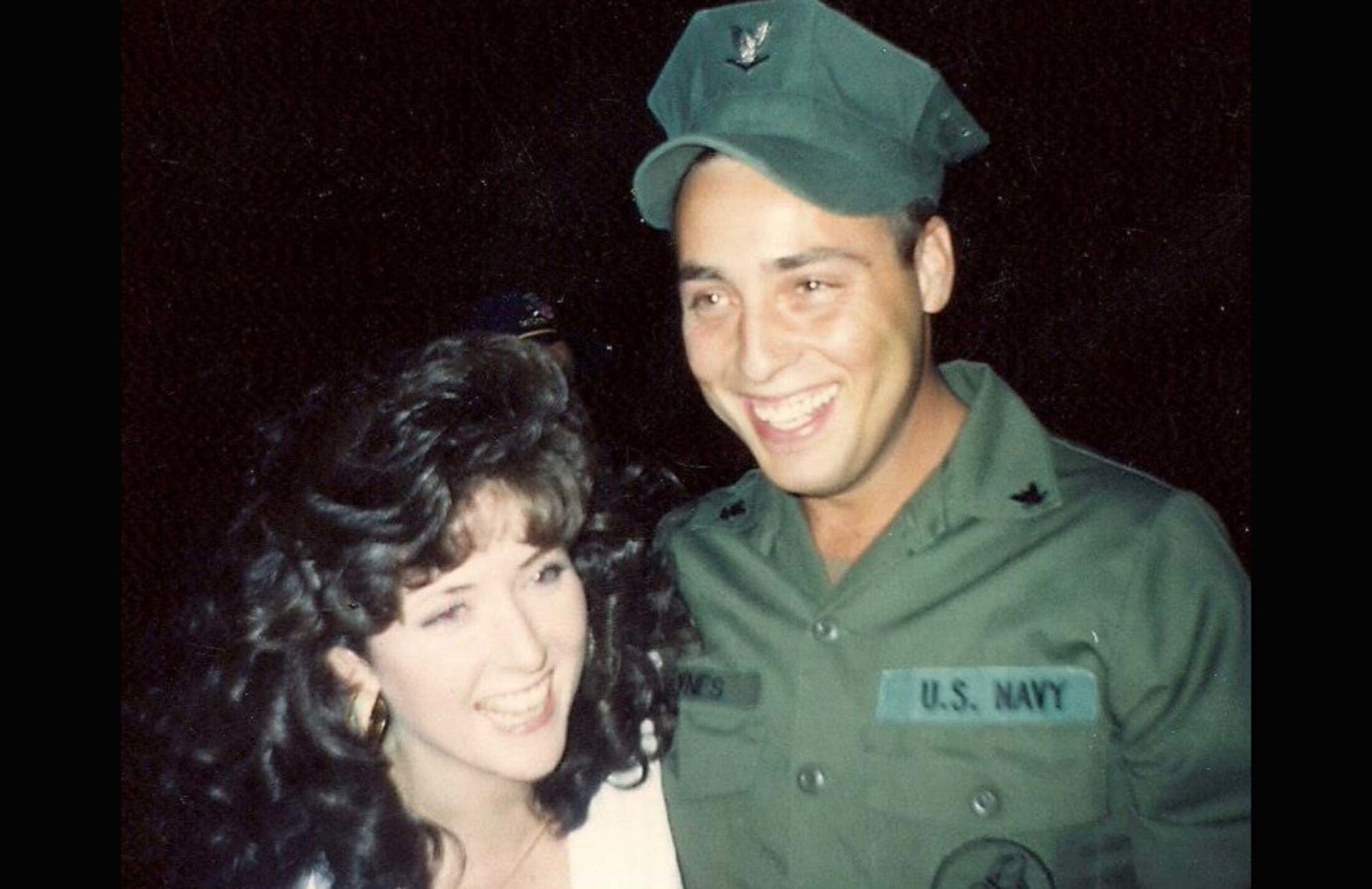
Haynes’ health problems started more than 30 years earlier while he was serving in the Gulf War, an event triggered by Iraq’s invasion of Kuwait. The U.S. led the international response, and Haynes and his father served as Seabees in the Navy.
“Seabees are basically a construction battalion. Our designation is a bee with a machine gun. Our motto was We Build, We Fight. I was an armorer in our battalion. I was over our ammunition. My dad was a construction electrician. He kept the lights on in our camp and things,” Haynes said.
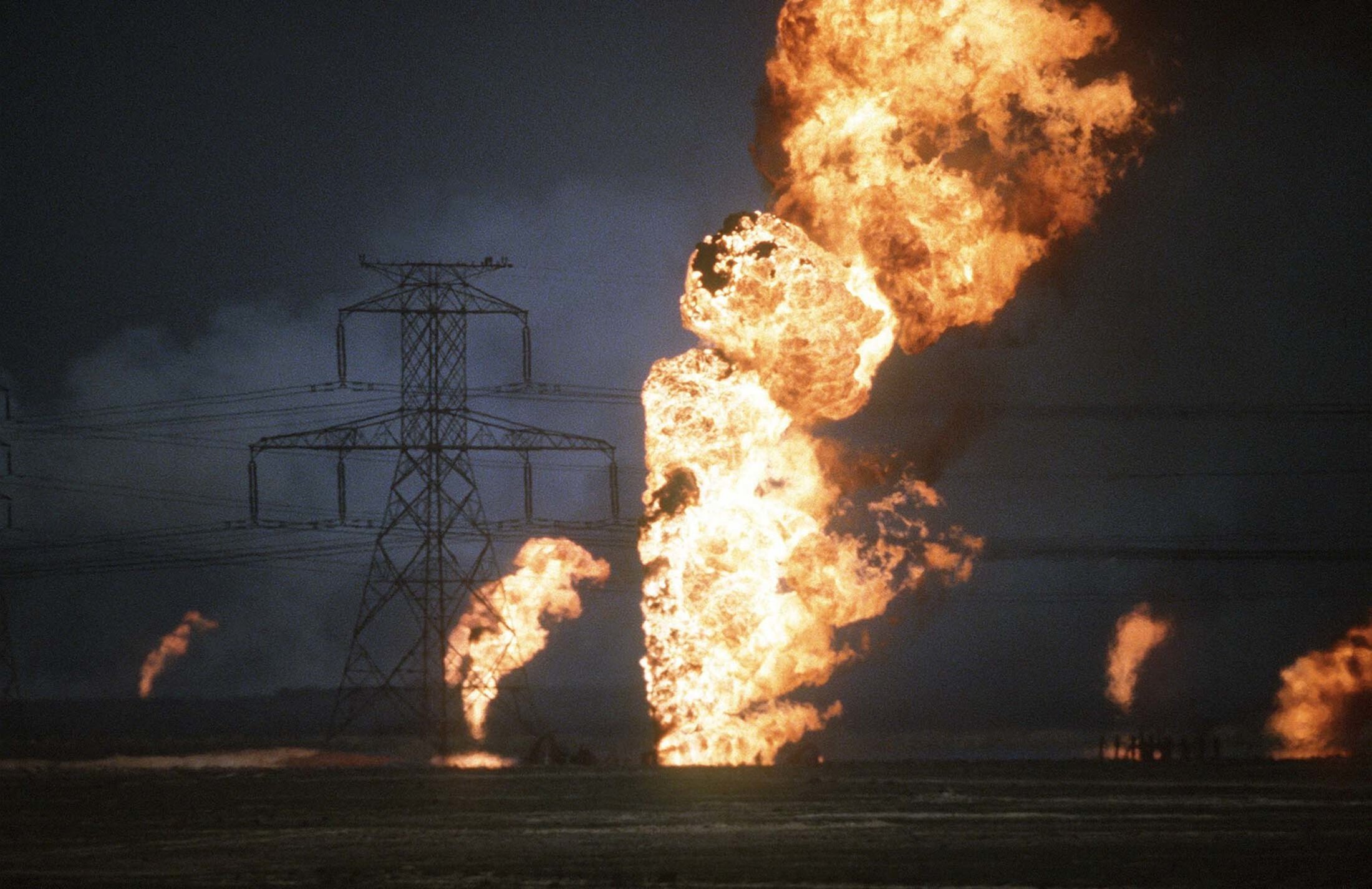
They were both exposed to hazardous substances, as were many others who served in that war – as many as 40%, by one estimate. Gulf War Illness is linked to respiratory and neurological problems, among other ailments.
“I came back sick. After we got bombed, my dad got exposed so bad he was Medevacked out,” Haynes said.
Post-war life
When Haynes, who lives in Conway, South Carolina, left the military, he got a job with the state Highway Patrol. For 17 years, he managed to keep that job.
Then, his father died in 2009. Haynes lost his job the same year. “I had already been on oxygen for three years, when they forced me to retire. I just wasn't wearing it at work. They checked my oxygen level in the emergency room one night, and it was 81, and I never worked since.” Eighty-one percent is considered dangerously low.
Haynes went home and began navigating life as a retiree and veteran. His service in the Gulf War haunted him.
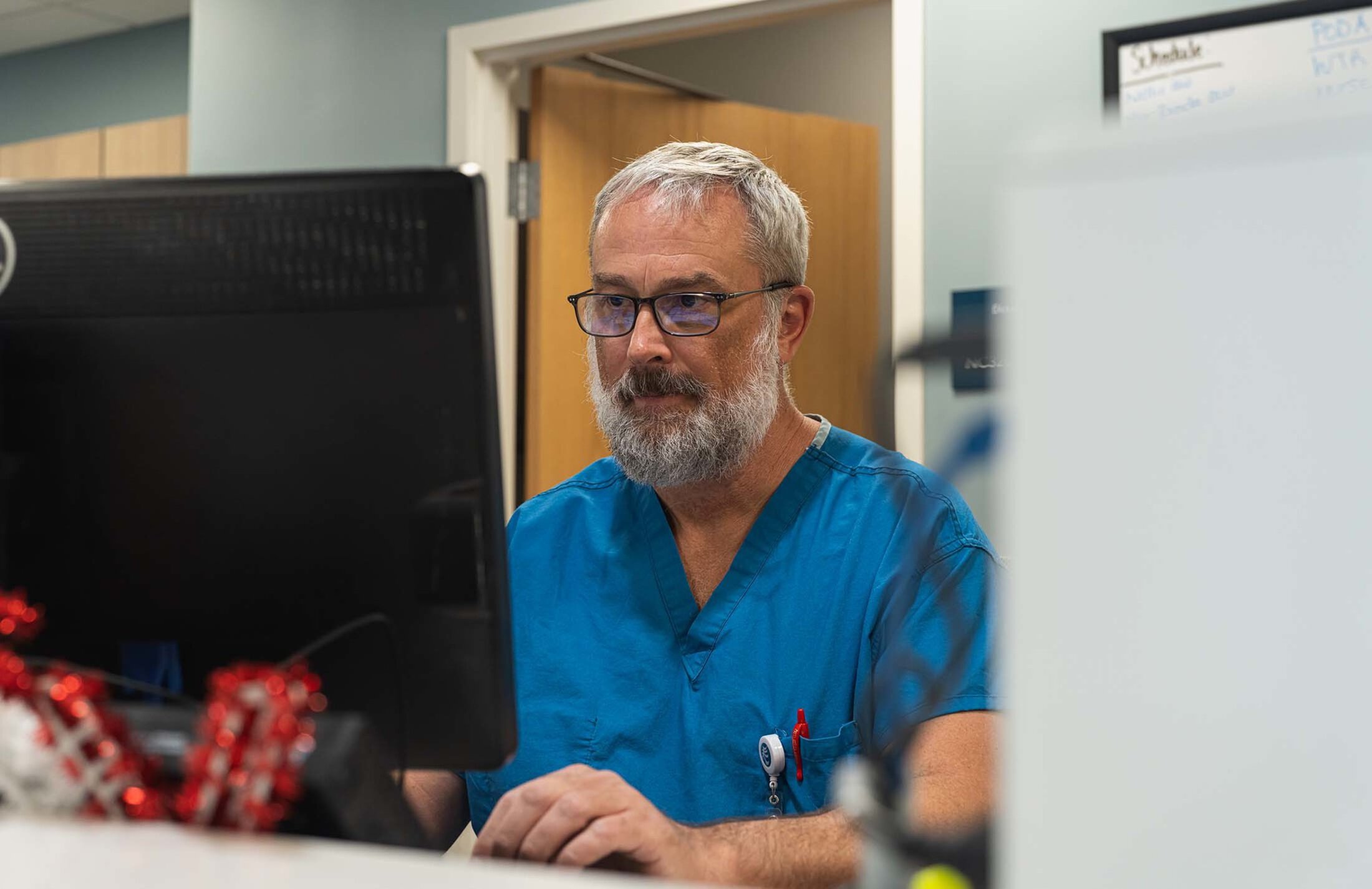
It was also in 2009 that Eriksson joined the Medical University of South Carolina as a professor of Surgery and a trauma surgeon at MUSC Health, where he launched the Chest Wall Injury and Reconstruction Center.
But the men wouldn’t meet till about 15 years later.
A health crisis – including broken ribs and a lung hernia
That meeting happened just a few months ago.
Haynes’ health had declined to the point where he basically couldn’t stop coughing if he got in bed. Pulmonary fibrosis, scarring of the lungs, was taking its toll.
“Coughing has always been my biggest problem. Well, I got pneumonia, and then it turned into pleurisy, and I coughed a lot. I mean, I stood up for six days straight. I couldn't sit down or lay down because the coughing was just uncontrollable. As long as I stood up, I could make myself not cough 90% of the time.”
While he was leaning on a couch, taking a nap, his health crisis came to a head. “I coughed, and I stood up, and I felt a rib crack.”
That launched a quest that finally brought him to MUSC Health and Eriksson. “When I got to the emergency room in Charleston, they saw me right away,” Haynes said.
“They did a chest X-ray, CT and blood work. I was out of sorts. I mean, I was hurting so bad. I was panicking. I had run out of my pain medicine. They started giving me pain medicine. The ER doctor, a lady, she says these words to me. She says, ‘Mr. Haynes, try to relax. You're in the right place. We can help you.’ Well, that did it – calmed me down a lot.”
That ER doctor, Yalani Vanzura, M.D., got in touch with Eriksson. At that point, he was president of the national Chest Wall Injury Society, with years of experience treating complex cases. He does about 150 rib operations each year.
Finally, the right treatment
Eriksson picked up the chain of events from there. “I just happened to be on call, and Dr. Vanzura grabbed me, and she said, ‘Hey, look at this. This guy's got a real problem. Is this something you're interested in?’ And I looked at it, and he had an injury that I am very interested in treating. He had coughed so much that he broke his ribs in the front.”
Eriksson said it’s important to recognize when that happens. “You actually don't see the fracture on X-rays because it's the cartilage in the front. It's a combination of the diaphragm contracting and the abdomen contracting and the ribs being out of position a little bit that breaks cartilage – it's not as robust as the bone.”
And that wasn’t Haynes’ only problem. “With these new acute fractures, part of his lung was hanging out. This kind of problem is very difficult to repair. And if you don't perform the procedures correctly, the hernia will come back,” Eriksson said.
Before operating, specialists in heart and lung care examined Haynes – and Eriksson got in touch with friends around the world. “‘Hey, this is what I got. What do you think?’” he asked his fellow chest wall specialists.
“They all kind of agreed that the patient was too sick to not operate on it. And he was miserable. He was like, ‘Listen, if I can't be active, if I can't play with my grandkids and stuff, I don't want to live the way I'm living, right?’”
He didn’t have to. Eriksson did a two-layer mesh and titanium repair of Haynes’ chest wall and costal margin. The costal margin is an arch of cartilage in the lower part of the chest.
Eriksson, who said Haynes was diagnosed with chronic pulmonary fibrosis, among other issues, is on the mend, back home with his family. “I'm doing wonderful. I'm still healing. For the first time since December 30, I have been able to lay down.”
“It's awesome to see,” Eriksson said. “It's really, really great. Guys like him are so thankful because they've been told ‘No, no, no’ by everybody in the world. And then they finally find somebody who says, ‘Yes, I can help you.’”
Haynes, who said he’d been misdiagnosed in the past, encouraged other veterans who are suffering to keep pushing for the right answers. “Fight for yourself. Don't take no. There's always a Dr. Eriksson out there.”
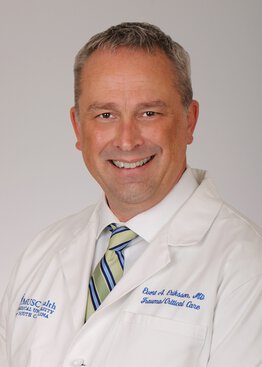
Evert Eriksson, M.D., FACS, FCCM
Evert Eriksson, M.D., is a general surgeon who specializes in injuries to the chest wall as well as complex hernia repair. He is an internationally recognized leader in in chest wall trauma, has been appointed President of the Chest Wall Injury Society (CWIS) for the 2025–26 term. Over ten years ago, Dr. Eriksson began improving the operative and non-operative management of rib and sternal fractures at MUSC. Through research at MUSC and in conjunction with the Chest Wall Injury Society, he has decreased patients’ pain and improved their recovery.
In addition to chest wall injury care, his hernia practice consists of thoracic and abdominal wall hernias. Dr. Eriksson offers both open and laparoscopic repair of ventral and flank (side) hernias. He has performed several complex ventral hernia repairs with the addition of botox therapy to relax the muscles. He also specializes in traumatic hernias from injury and manages costal margin injuries that are a special type of hernia that involves the abdomen and chest.
Helen Adams
Recent Lung Care stories