

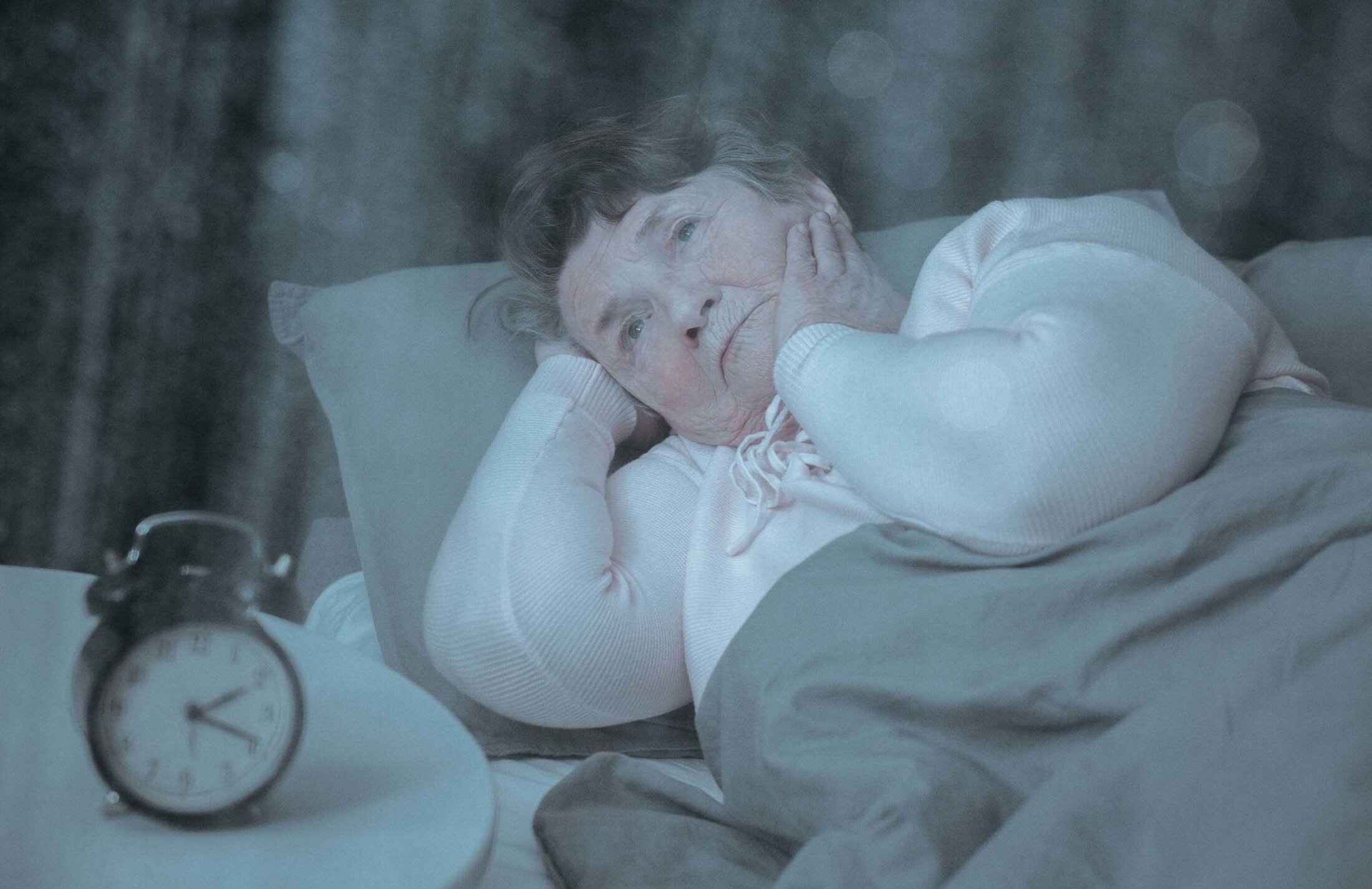
Imagine a patient in her 60s who has struggled with sleep since her husband died a few years ago. She’s been taking sleep medications, but they fail to resolve her trouble falling – and staying – asleep.
According to Medical University of South Carolina clinical psychologist Joshua Tutek, Ph.D., this presentation is often observed among patients seen at the Division of Sleep, Mood, Anxiety, Research and Treatment (SMART), an adult outpatient clinic within the Department of Psychiatry and Behavioral Sciences.
Tutek estimates that about 80% of patients who are seen at SMART visit for sleep issues. Although patients may seek help for insomnia, the problem is often complicated by mood and anxiety symptoms that disrupt healthy sleep. At SMART, the clinicians aim to help patients regain quality of life and shed the burden of insomnia, anxiety or depression.
“People can get caught up in expending time and effort trying to control negative experiences – including anxiety, depression, and insomnia – which can actually make those issues loom even larger in their lives and take resources away from pursuing other types of experiences they actually value,” said Tutek.
For patients who have struggled with sleep disturbances for years or even decades, the psychiatrists and psychologists at SMART closely examine their sleep patterns to determine appropriate treatment plans. These plans incorporate both psychotherapy and the management of medications, such as sleeping agents.
Therapy for insomnia
The gold-standard treatment for helping patients to sleep better is a type of psychotherapy called Cognitive Behavioral Therapy for Insomnia (CBT-I). This layered approach to treating insomnia targets the difficulty that patients experience initiating or maintaining sleep and may require six to eight sessions.
For many, the behavioral changes recommended during CBT-I are counterintuitive.
“The treatment involves asking patients to temporarily spend less time in bed in order to build up their body’s natural hunger for sleep, which helps their sleep pattern consolidate throughout the night,” said Tutek.
Staying out of bed longer ensures that patients feel sleepier by the time they do finally get into bed, which reinforces the bed as a cue for sleeping rather than being awake, said Tutek.
“We do all of this in a safe and systematic way, continuously tailoring a time-in-bed schedule for each patient according to information they bring us about how they’ve been sleeping. Once patients are sleeping solidly, we can expand the amount of time they spend in bed until they have enough to get the sleep they need.”
CBT for mood and anxiety disorders
In addition to treating insomnia, the clinicians at SMART also help people with anxiety disorders, such as generalized anxiety and social anxiety, as well as mood disorders, such as depression and bipolar disorder.
“The CBT approach to depression we use most often is called behavioral activation, and the main strategy is to set people up to be able to engage in activities that are consistent with their values,” said MUSC clinical psychologist Allison Wilkerson, Ph.D., the clinical director of SMART.
“Meaningful and rewarding activities get those ‘feel-good’ chemicals and neurotransmitters going in their brains. It takes that downward spiral of depression in an upward direction,” she added.
In the case of anxiety, exposure therapy is the key to successful CBT.
“In exposure therapy, you approach something that you've been avoiding with an eye toward expanding your functioning and developing confidence in your ability to handle it,” said Tutek.
He gave the example of a person with panic disorder who fears grocery shopping. Exposure therapy gradually introduces this environment.
“We gradually tiptoe our way toward spending 10 minutes in the grocery store, spending 30 minutes in the grocery store, spending an hour in the grocery store, actually getting all of their shopping done in the grocery store – so we basically build through increments,” he explained.
The role of medications
At SMART, the goal of treatment is to achieve the best possible quality of sleep that is restorative and refreshing.
According to Thomas Uhde, M.D., Chair Emeritus of the Department of Psychiatry and Behavioral Sciences and the director of the SMART Division, many – if not most – of their clients struggle with either complex medical disorders that negatively affect sleep or primary sleep disorders that impair cognitive function, mood or behavior.
“To achieve an optimal outcome and improvement in co-existing sleep disturbances requires a knowledge of these medical disorders and, therefore, appropriate use of medications to effectively treat the overall medical conditions,” said Uhde.
Uhde noted that he is frequently asked to discontinue a patient’s sleep medications without there being a clear understanding of why they were originally prescribed, how the patient responded, whether the patient experienced negative side effects or what the ultimate goal of changing medications might be.
“Beyond an understanding of the full medical history, these are critical questions to ask and understand when establishing a treatment plan for sleep problems,” Uhde said.
“In patients with complex sleep disorders or medical disorders with secondary disturbances in sleep, they often require a combination of drug and non-drug CBT to achieve an optimal and satisfactory outcome.”

Joshua Tutek, Ph.D.
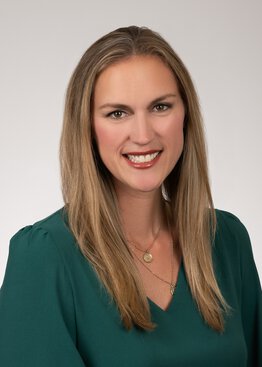
Allison Wilkerson, Ph.D.
Dr. Allison Wilkerson is an Associate Professor in the Sleep, Mood, and Anxiety Research and Treatment (SMART) Division within the Department of Psychiatry and Behavioral Sciences at the Medical University of South Carolina. She is a licensed clinical psychologist and diplomat in behavioral sleep medicine (DBSM). Her program of research is focused on:
1) understanding the impact of sleep health in underserved populations and using this knowledge to develop tailored sleep interventions;
2) leveraging technology to enhance dissemination of evidence-based assessment and treatment of sleep and mental health disorders, which includes the development and launch of online provider-facing trainings, virtual patients for practice following training, and patient facing mobile applications.
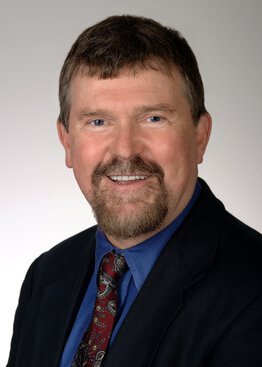
Thomas W. Uhde, M.D.
Dr. Uhde is the Chair Emeritus of the Department of Psychiatry and Behavioral Sciences (2007-2025) and currently a Distinguished University Professor in the Department of Psychiatry and Behavioral Sciences and neurosciences.
Prior to Dr. Uhde's current leadership positions at MUSC, he served as the Founding Chief of the Section on Mood & Anxiety Disorders [Biological Psychiatry Branch (Intramural Program)] at the National Institute of Mental Health (NIMH); Chair of the Department of Psychiatry & Behavioral Neurosciences, Assistant Dean for Neurosciences and Associate Dean for Research at Wayne State University; Founding Director of the Penn State Hershey Medical Center Neuroscience Research Institute, Chair of the Department of Psychiatry and Director of the Central Pennsylvania Psychiatric Institute (Pennsylvania State University College of Medicine) and Co-Director of the Pennsylvania State Neurosciences Institute.
He was born in Louisville, KY, obtained his Bachelor of Science (BS) degree in psychology at Duke University and his medical degree (MD) from the University of Louisville. Dr. Uhde completed a psychiatry residency at Yale University and was a Clinical Research Fellow at the National Institute of Mental Health.
Dr. Uhde has made substantial and significant research contributions in the field of mood, anxiety, and sleep disturbances. He has won numerous awards and international recognition for his professional accomplishments. He has over thirty years of experience conducting both pre-clinical and clinical research on anxiety, fear, arousal, and stressor-related syndromes and their relationship to sleep and sleep disturbances. Experience includes serving as PI, lead consultant, and/or primary mentor. Over the past 10 years, his primary focus has been the investigation and treatments of fearful arousals and sensory processing disturbances across a spectrum of neuropsychiatric and medical disorders.