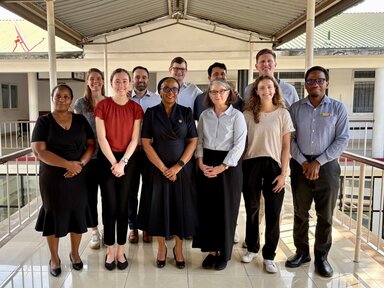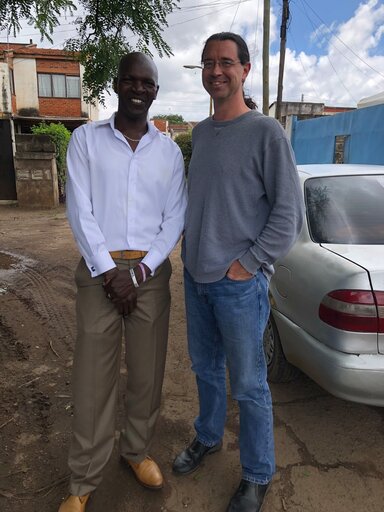

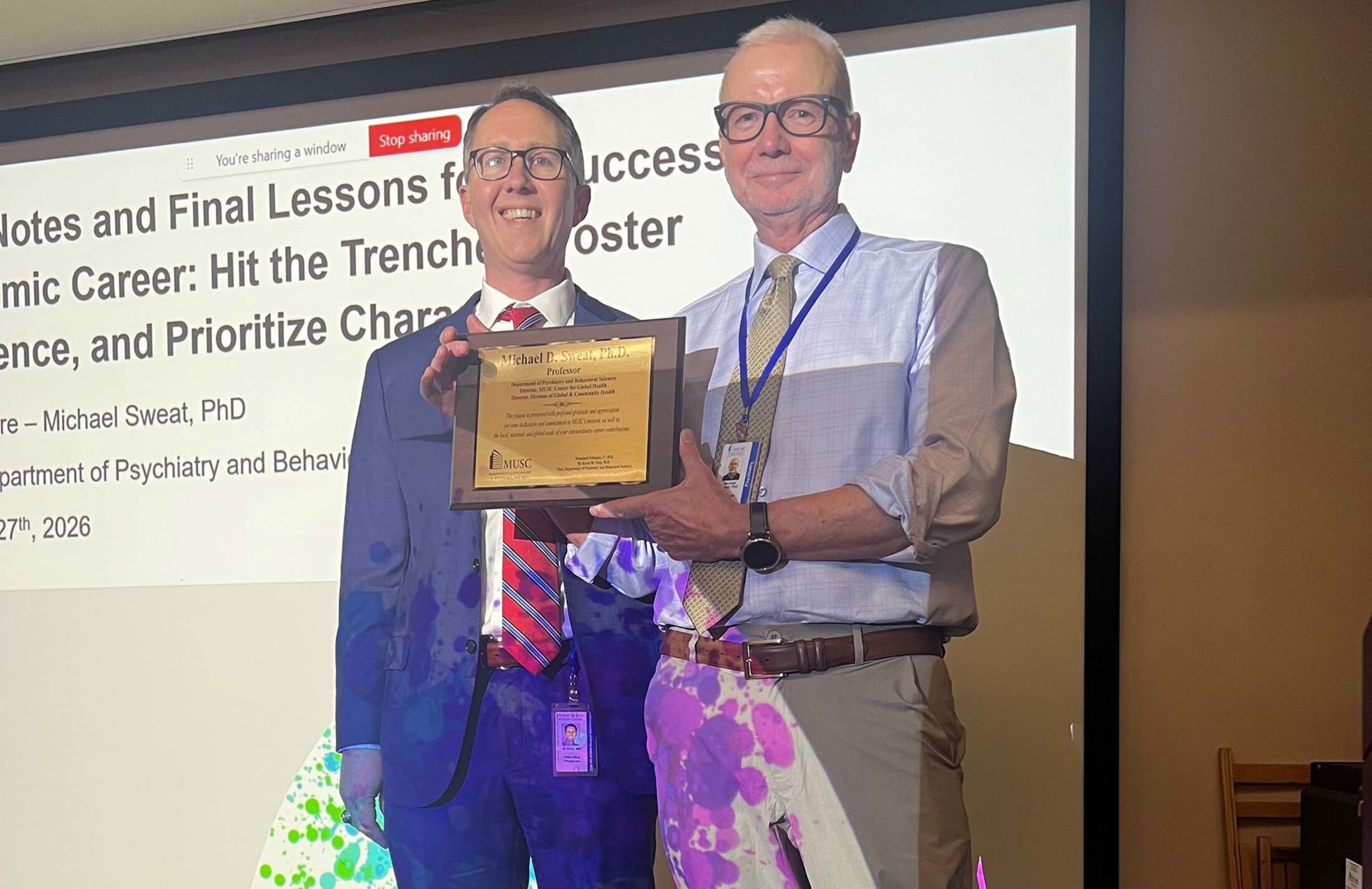
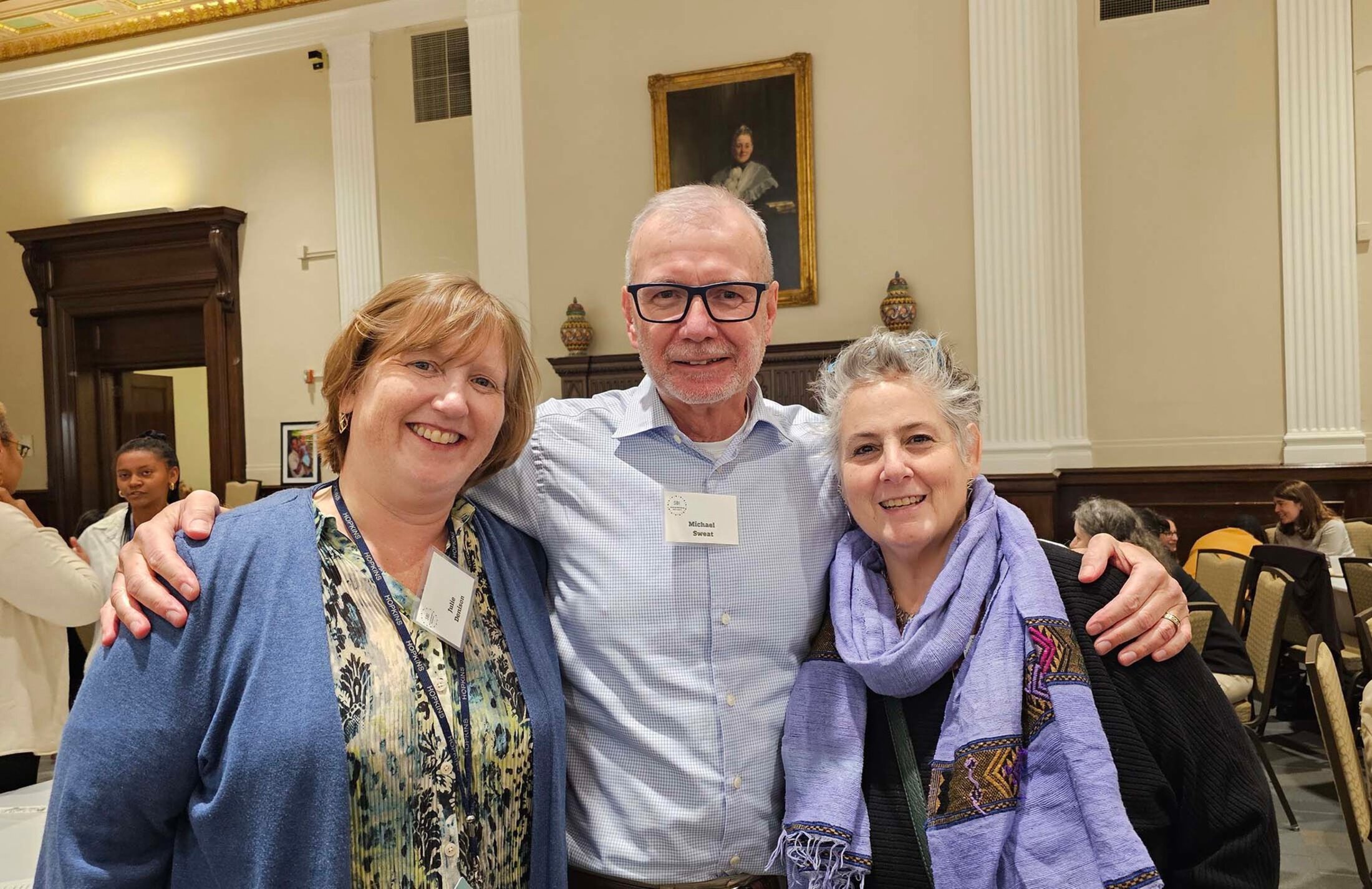
The Medical University of South Carolina’s Center for Global Health is saying goodbye to its longtime faculty director, Michael Sweat, Ph.D. Sweat has also served as a professor of Psychiatry and Behavioral Sciences in MUSC’s College of Medicine, an adjunct professor at Johns Hopkins and Clemson universities and a research scientist at the Centers for Disease Control and Prevention.
President David Cole, M.D., said Sweat has been an intelligent, thoughtful and highly respected faculty member who has made a real impact. “During the pandemic, with his data-based predictions and science-based insights, he served not only MUSC but the entire region and state. Many organizations and businesses ultimately owe Mike and his team a big thank you for their guidance during that time. He always leads with curiosity and kindness and has mentored generations of students and faculty while consistently role-modeling excellence.”
Sweat will be succeeded at the Center for Global Health by Susan Dorman, M.D., an infectious diseases specialist. She called it an honor. “I thank the provost for the opportunity to serve in this capacity and congratulate Dr. Michael Sweat on his many accomplishments and recent retirement from this role.”
Sweat’s accomplishments are remarkable. His work during the COVID-19 pandemic, which Cole referred to, propelled Sweat to statewide recognition and led to requests for him to appear in national news reports.
But Sweat’s career was about much more than that. His research and fieldwork took him around the world, from Tanzania to Thailand. His academic degrees are in Sociology – he loves talking with people with an eye toward solving important health problems – but he’s also a trained mathematical modeler. He has been awarded more than 30 research grants, including many funded by the National Institutes of Health.
Experience-based insights
As Sweat heads into a new chapter of his life, he’ll still be a part of MUSC through emeritus status. And he offered some insights from his experiences that he hopes will help others. He gave a preview before sharing them during a Psychiatry Grand Rounds presentation at MUSC.
“I have three points. One of them is ‘hit the trenches.’ Another one is ‘foster resilience’ and the third is to ‘prioritize character,’” he said.
Hit the trenches
Here’s what Sweat meant by hit the trenches.
“We do a lot of things on video these days. Young people don't want to talk on the phone. There's a whole movement toward isolation and a lot of loneliness. In my career, I thought a lot about where I got my ideas and what got me excited. It was when I got out in the field and talked to the people who were affected. They just know what's up.”
Sweat started getting out in the field as a sociology major at Georgia State University in Atlanta. Sociology focuses on human interactions, looking at past and present social groups and cultures.
At the time, Sweat thought he might become a medical doctor. He was working part time drawing blood at a hospital, a skill that would quickly come in handy. This was in the mid-1980s – the early years of the HIV/AIDS epidemic.
“I was in my undergraduate program, and the chair of the department got a CDC grant to study male sex workers. It was an amazing experience,” he said of the project called “HIV risk factors of street prostitutes, their customers and sexual partners.”
“I knew how to draw blood. So we went out on the streets, me and a colleague, who was a nurse. We interviewed these guys. It was a terrible situation. I mean, there was a lot of drug addiction and abuse. And these kids ended up on the street. And so we did interviews with them and tested them for HIV. I got very involved.”
That kind of involvement – hitting the trenches, as Sweat put it – continued as he earned his Ph.D. at Emory University as a Candler Foundation graduate fellow. His focus shifted from the idea of providing medical care to a career of trying to help on a larger scale through research and teaching.
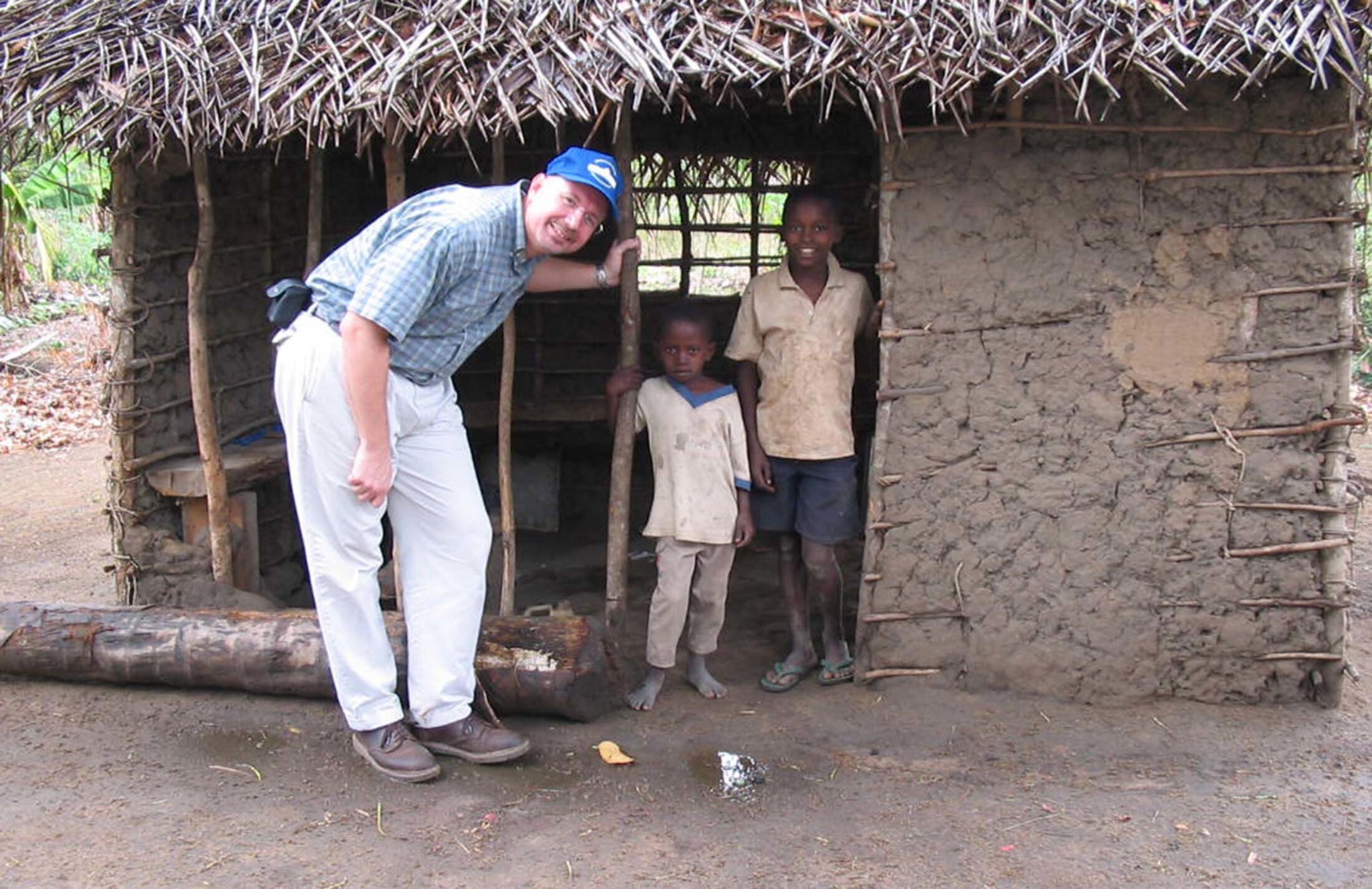
Sweat studied everything from religion to problems in the former Soviet Union. But his main focus was on the area that launched his research career: HIV. His studies, aimed at preventing the spread of HIV in the U.S. and well beyond, led to extensive time in Africa.
“I can remember going in and talking to the nurse counselors who were doing our testing out in the rural areas of Tanzania, and the insights I would get would just be profound. I'd come back and write a grant, and I would get funding to do another study,” Sweat said.
“I would advise young academics and others that you can't just sit in their office and think. You have to get out there and talk to people and interact.”
Foster resilience
Interactions aren’t always easy, as Sweat has seen not only as a researcher and observer but also a professor. Neither are the moments when success seems elusive.
“I see people getting demoralized really quickly with any kind of failure or setback, you know? I think you learn over time that you just keep plugging away at it.”
Sweat has coached junior faculty and students on how to do that. “I remember a student coming in one time from my class and in tears saying, ‘This is so unfair. This test was unfair. I got this question right.’ And I said, ‘OK, so I'll meet you,’” he said.
“So I pull her test and see that she got a 99. I said, ‘Listen, first of all, you got the question wrong. Just blatantly wrong. But it's OK. I mean, you've got an A in the class. What we need to talk about is not this question but your response to this question. This is not going to serve you well.’ So fostering resilience comes up a lot.”
Prioritize character
Fostering a focus on character is important, too, Sweat said.
“I just think there's a lot of emphasis on credentials. Credentials are useful. But there's just something about people that you meet sometimes, and they have character. They're driven. They're intellectually engaged. They're good listeners. They work hard. And I just found when I'm recruiting people, that often gets ignored because people just focus on, oh, they went to Harvard or whatever. And I just think that's really important – that sort of character thing: honesty, intelligence, all those traits.”
Those are traits that Sweat exemplifies, said Kathleen Ellis, the executive director of MUSC’s Center for Global Health. They’ve worked together for 15 years. “He doesn't ask for recognition. And he's someone who always has time. He always has time to explain. No matter who it is, no matter what subject it is, he will sit there and talk to you about it. He's one of a kind.”
Helen Adams
Recent Center for Global Health stories