

Comprehensive Concussion Rehabilitation and Return-to-Learn Strategies in Sports Medicine: An MUSC Health Athletic Trainer Provides Insights and Protocols
By Kristina Medinger DAT, LAT, ATC
Athletic Trainer
MUSC Health Sports Medicine
MUSCHealth.org/Sports
Understanding the nuances of concussion rehabilitation and the transition back to the learning environment is crucial. Here, Kristina Medinger, DAT, LAT, ATC, an athletic trainer at MUSC Health Sports Medicine, provides valuable insights and protocols for managing these aspects of concussion care.
First things first: Let’s define what a concussion is.
What are Concussions?
Concussions are a hot topic in the sports medicine field. Most people know that concussions are mild traumatic brain injuries that impact the mental state of the person who sustained the concussion.
The main components of a concussion that most people do not understand are the recovery and return process. Specific rehabilitative techniques and return-to-learn (RTL) protocols should be followed to treat athletes best and successfully.
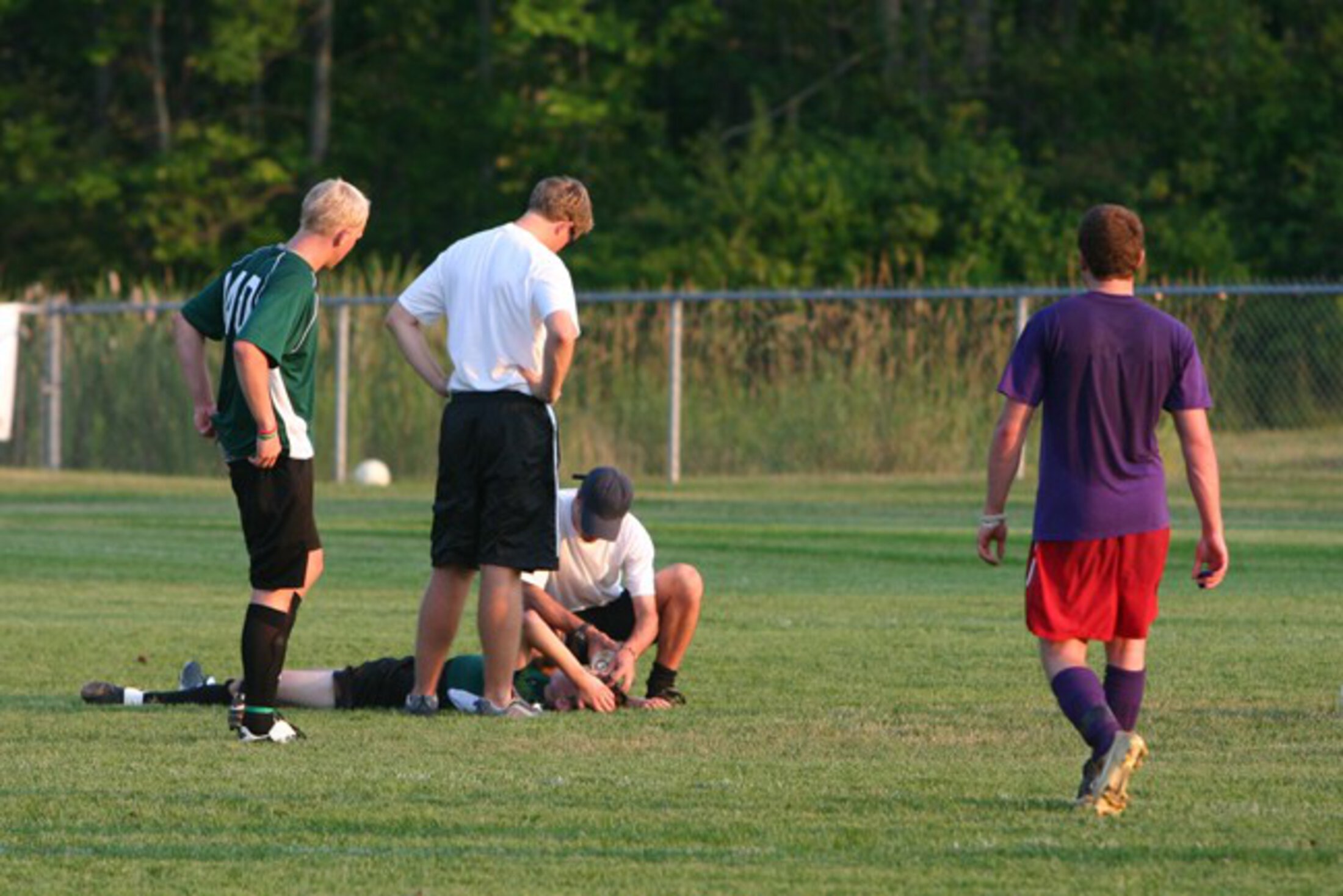
Athletic trainers are typically the first to evaluate athletes for a concussion. Still, in the state of South Carolina, the athlete presumed to have a concussion must be seen by a physician to be assessed and returned to play.
After the M.D. sees the athlete, they are returned to the supervision of an athletic trainer who helps facilitate the physician's orders. The athletic trainers implement post-injury management, the RTP decision-making process and RTL protocols in a school setting.
Here’s what the RTS strategy should look like:
Return-to-Sport (RTS) Strategy - Each Step Takes a Minimum of 24 Hours:StepExercise StrategyActivity at Each StepGoal1Symptom-limited activityDaily activities that do not exacerbate symptoms (e.g., walking)Gradual reintroduction of work or school2Aerobic exercise2A—Light (up to approximately 55% max Heart Rate), then2B—Moderate (up to approximately 70% max Heart Rate)Stationary cycling or walking at a slow to medium pace; May start light resistance training that does not result in more than mild and brief exacerbation* of concussion symptoms.Increase heart rate3Individual sport-specific exerciseNote:If sport-specific training involves any risk of accidental head impact, medical clearance should occur before Step 3Sport-specific training away from the team environment (e.g., running, change of direction, and/or individual training drills away from the team environment); No activities at risk of head impactAdd movement change of directionSteps 4–6 should begin after the resolution of any symptoms, abnormalities in cognitive function and any other clinical findings related to the current concussion, including with and after physical exertion.4Non-contact training drillsIntegrate exercises of high intensity into a team environment, including more challenging training drills (e.g., passing drills, multiplayer training)Resume the usual intensity of exercise, coordination, and increased thinking5Full-contact practiceParticipate in normal training activitiesRestore confidence and assess functional skills by coaching staff6Return to sportNormal gameplay2A: Mild and brief exacerbation of symptoms (i.e., an increase of no more than 2 points on a 0–10 point scale for less than an hour when compared with the baseline value reported prior to physical activity). Athletes may begin Step 1 (ie, symptom-limited activity) within 24 hours of injury, with progression through each subsequent step typically taking a minimum of 24 hours. If more than mild exacerbation of symptoms (ie, more than 2 points on a 0–10 scale) occurs during Steps 1–3, the athlete should stop and attempt to exercise the next day. Athletes experiencing concussion-related symptoms during Steps 4–6 should return to Step 3 to establish full resolution of symptoms with exertion before engaging in at-risk activities. Written determination of readiness to RTS should be provided by an HCP before unrestricted RTS as directed by local laws and/or sporting regulations.2B: HCP, health care professional; maxHR, predicted maximal heart rate according to age (ie, 220-age).What is the Rehabilitation Process for a Concussion?
It is essential for athletic trainers to perform rehab with their athletes to help facilitate the recovery process for athletes. Daily focused examination should be implemented to monitor the course of recovery, and activities of daily living that do not exacerbate symptoms may benefit the patient's recovery and should be allowed. Some exercises that can be and should be performed include:
K-D TestOculomotor: Smooth PursuitsHorizontal and Vertical SaccadesNear Point Convergence (NPC)Vestibular-Ocular Reflex (VOR) TestVisual Motion Sensitivity (VMS) TestWhat Accommodations Should Schools Make for Students Who are Returning to Class After a Concussion?
In terms of return to learning, it is essential that student-athletes who sustain a concussion return to their academic routine gradually. This can be troublesome because most secondary schools have multiple classes and teachers assigning work to the student-athlete. Communication among the school and medical staff must be fluid for everyone to be on the same page.
According to the physician's orders, teachers should be given a plan for the student to work on (modified work, rest breaks, etc.). The athletic trainers essentially act as a bridge between the physicians and school employees to ensure the appropriate modifications are being performed based on the student-athlete’s needs.
Here's what the RTL strategy should look like:
Return-to-Learn (RTL) Strategy - Each Step Typically Takes a Minimum of 24 HoursStepMental ActivityActivity at Each StepGoal1Daily activities that do not result in more than a mild exacerbation* of symptoms related to the current concussionTypical activities during the day (e.g., reading) while minimizing screen time; Start with 5–15 minutes at a time and increase graduallyGradual return to typical activities2School activitiesHomework, reading, or other cognitive activities outside of the classroom.Increase tolerance to cognitive work.3Return to school part-timeGradual introduction of schoolwork. May need to start with a partial school day or greater access to rest breaks during the dayIncrease academic activities4Return to school full-timeGradually progress in school activities until a full day can be tolerated without more than mild* symptom exacerbationReturn to full academic activities and catch up on missed workFollowing an initial period of relative rest (24–48 hours following an injury at Step 1), athletes can begin a gradual and incremental increase in their cognitive load. Progression through the strategy for students should be slowed when there is more than a mild and brief symptom exacerbation.Mild and brief exacerbation of symptoms is defined as an increase of no more than two points on a 0–10 point scale (with 0 representing no symptoms and 10 the worst symptoms imaginable) for less than an hour when compared with the baseline value reported prior to cognitive activity.
There will not be a cookbook approach to rehabilitating a concussion and implementing an athlete's return to play protocols because every athlete's concussion is unique based on the specific neuropathways of the brain. There is no set return or recovery time, and not every rehabilitation technique works with every athlete. The athlete's support system needs to help them physically and mentally return to their sport as safely and efficiently as possible.
Recent Advance with MUSC Health stories