

We have written before about glaucoma, an eye disease that, left untreated, can cause blindness. Glaucoma is believed to be the result of high pressure that builds up in the eyeball. This increase in intraocular pressure is thought to injure the optic nerve, which transmits light that enters the eye through the lens to the brain, where it is processed into vision.
Like many health problems, glaucoma increases with age. Nearly 2% of people over 40 in the United States are diagnosed with glaucoma. By age 80, about 10% of people have it. In addition to age, risk factors for glaucoma include a family history, thin corneas, diabetes, heart disease, hypertension, high intraocular pressure, nearsightedness, or farsightedness.
What Causes Glaucoma?
Normally fluid forms continuously inside the eye’s anterior chamber and leaves it at the angle where the cornea and iris meet. (Please see figure below.) Either an increase in fluid production or an obstruction (reduction) in the elimination of the fluid from the eye increases the pressure, which causes permanent damage to the optic nerve.
Glaucoma consists of two main types: The most common in America is “open-angle” glaucoma, which develops insidiously over time. The less common form is “closed-angle,” which can occur suddenly and can rapidly progress to blindness if not treated within a day or two.
Symptoms
Glaucoma is called the silent thief of sight because it usually has no symptoms until vision loss occurs, meaning the optic nerve is already damaged. If not treated, patients with glaucoma will lose peripheral vision. Vision in the center of focus is clear, but objects and even light in the periphery are blurred. The term “tunnel vision” is typically used to describe sight in advanced glaucoma. People with closed–angle glaucoma can experience pain in the eyes, headaches, and possibly nausea.
Diagnosis
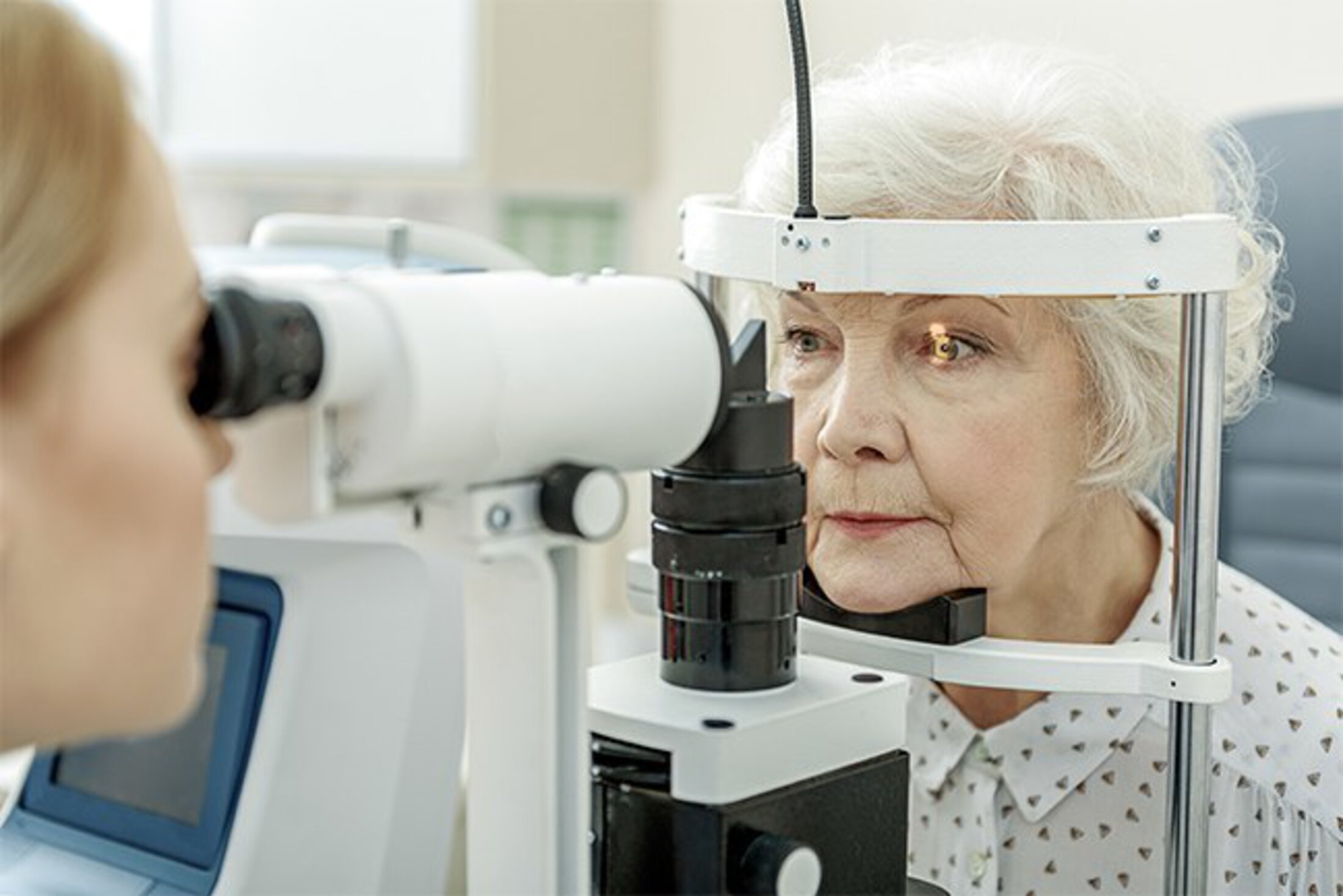
Glaucoma is diagnosed by an ophthalmologist or eye care licensed professional. They will examine the eye, dilate it, and anesthetize it to perform tonometry, a test that measures eye pressure.
Treatment
Glaucoma is treated in 3 different ways, all of which are intended to reduce pressure in the eye and prevent damage to the optic nerve. First are prescription medications, which can be taken orally or as eye drops daily to decrease fluid production or increase fluid exit from the eye. A second therapy is laser surgery which can be used alone or with medicines. No incision is made, and only local anesthesia is required. Laser procedures are relatively free of side effects. If medicine and laser fail, outpatient eye surgery may be necessary. During this procedure, a stent or micro tube device can be implanted in the eye to help fluid drainage and lower eye pressure. The procedure is done under local anesthesia. Recovery takes about a week. If treated early and monitored, these therapies are usually effective in preventing blindness.
The Bottom Line
To preserve our vision and lower risks for glaucoma and other eye diseases, it’s essential that, at least every 2 years after age 60, we see a licensed eye care specialist and have a thorough exam that includes a glaucoma test. This is just another example of how we can take care of our health and do everything we can to age not just gracefully, but healthily.
Laser Procedures for Glaucoma
| Procedure |
Indication |
Action |
| Selective Laser Trabeculoplasty (SLT) |
Open-angle |
Opens trabeculae |
| Argon Laser Trabeculoplasty (ALT) |
Open-angle |
Opens fluid channels |
| Laser Peripheral Iridotomy (LPI) |
Narrow-angle |
Creates space behind iris |
| Laser Cyclophotocoagulation |
Open-angle |
Inhibits fluid production ciliary body |
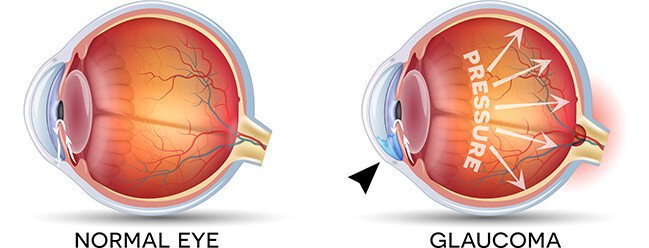
Figure 1 Illustration of the eye showing fluid formed that exits eye through the trabecular meshwork. When fluid builds up in the eye due to glaucoma pressure it pushes on the optic nerve and causes damage, loss of peripheral vision and can lead to blindness.

Jerry Reves
Recent Advance with MUSC Health stories