
She told us that, and that’s what really made me feel good with her because she understands.
Myra Carraway patient at MUSC's new sickle cell clinic in Florence 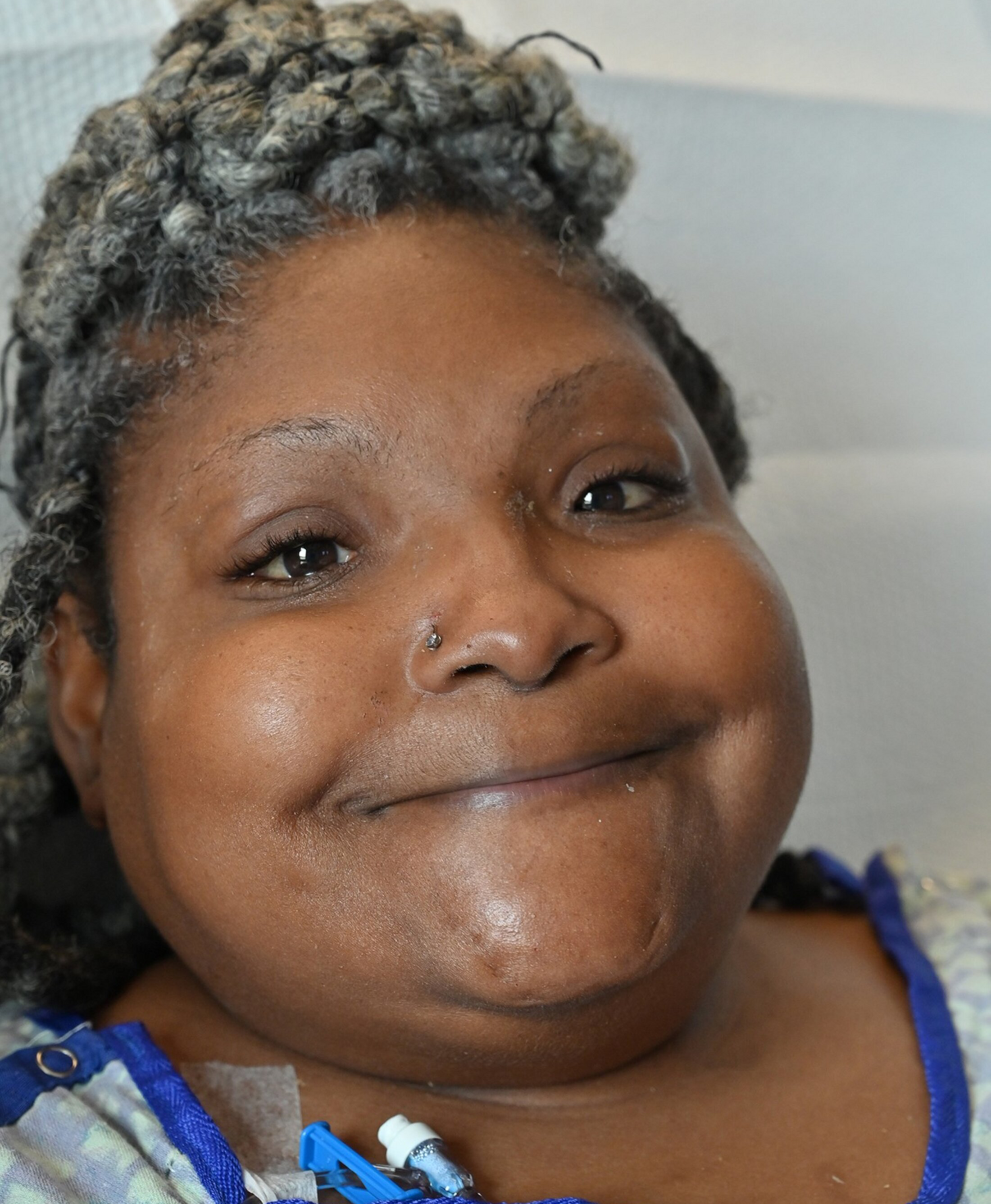
MUSC News
Read about the education, research and clinical advancements happening across the MUSC academic health system. Discover how our experts are empowering healthy communities, driving innovation and health transformation and reshaping the future workforce for South Carolina and beyond.
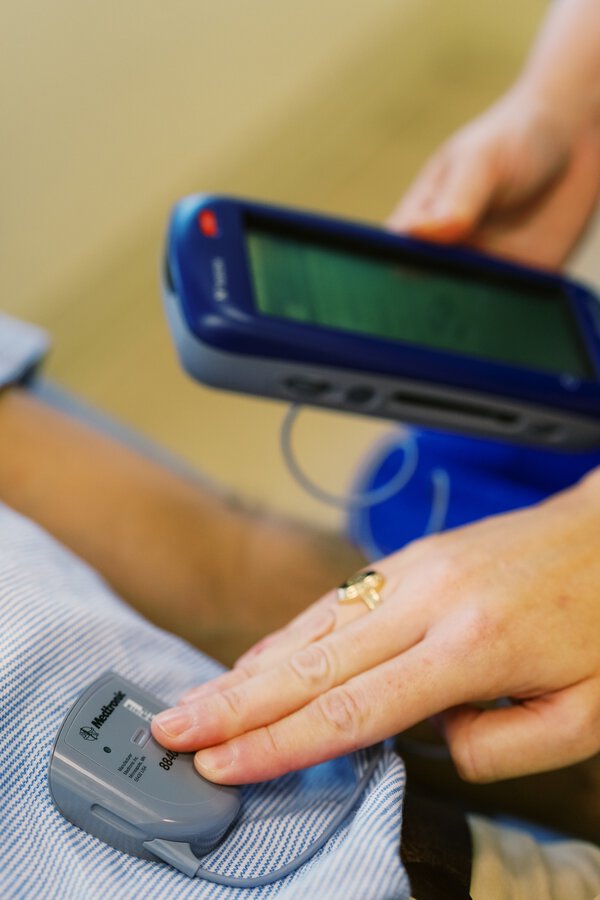
MUSC uses electrical stimulation to treat debilitating gastroparesis
Diane Hall of Hanahan, South Carolina, had two seemingly contradictory problems. She had trouble eating – but at the same time was so bloated that she felt like she’d gained 35 pounds.
“A lot of nausea and vomiting and just an upset stomach,” she said. “I didn't know what it was, and I went to my regular doctor. She said, ‘Your vitals are great.’”
But something was clearly wrong. A gastrointestinal specialist diagnosed Hall with gastroparesis and referred her to Mary Kate Bryant, M.D., at MUSC Health.
Bryant described gastroparesis, a condition that affects about 10 men and 40 women out of every 100,000 people. “Gastroparesis means that the stomach does not empty in an appropriate amount of time. So usually, when you eat a meal, there are two ways your stomach deals with liquids or solids,” she said.
Recent News Releases
Jason Cox named CEO of MUSC Health-Pee Dee Division
Nearly a decade of research strengthens case for vitamin D in pregnancy
MUSC Shawn Jenkins Children’s Hospital ranks No. 5 in Southeast, No. 1 in South Carolina
Kiawah Island Club’s fifth annual HEARTest Yard Celebrity Classic raises record $400,000
MUSC names Terri Warholak next College of Pharmacy dean
MUSC Board of Trustees re-elects chairman, elects new vice chairman
Topics
Podcasts

Health Focus: Identifying heart risks in younger women
Health Focus: Using smartwatches to help detect atrial fibrillation
Health Focus: Shin splints and stress fractures in runners
Health Focus: Sickle cell disease in SC
Health Focus: Lung cancer in never-smokers
Health Focus: Preventing and treating gum disease
Events
In Our DNA SC - Carnes Crossroads
calendar_today Wednesday, Oct. 7, 2026
College of Health Professions Campus Tour
calendar_today Wednesday, Oct. 7, 2026
Doctor of Physical Therapy - Residential Virtual Information Session
calendar_today Wednesday, Oct. 7, 2026
Gynecologic Cancer Support Group
calendar_today Wednesday, Oct. 7, 2026
Gynecologic Cancer Support Group
calendar_today Wednesday, Oct. 7, 2026
Bachelor of Science in Applied Health Intelligence & Administration Virtual Information Session
calendar_today Wednesday, Oct. 7, 2026
College of Health Professions Campus Tour
calendar_today Thursday, Oct. 8, 2026
Social


Stories
More MUSC news

MUSC News + Breast Cancer
Know your risk: When should you start breast cancer screening?
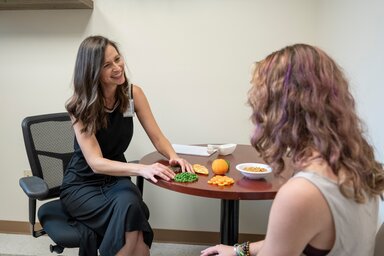
MUSC News + Nutrition
‘Listen to your body’: Intuitive eating
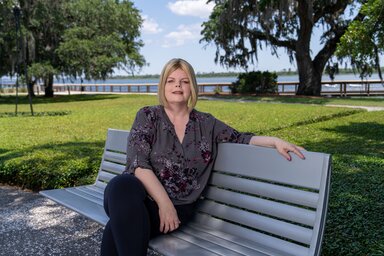
Cancer Patient Journeys + Melanoma and Skin Cancer
A treatment years in the making: Hollings’ first TIL therapy infusion
MUSC News + Transplant
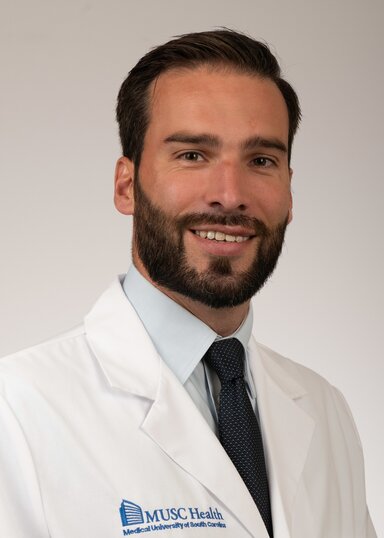
Something old – faith and friendship – and something new – robotic kidney transplantation –...
MUSC News + Heart and Vascular Care
ABCs of heart disease prevention now include the letters GLP for some patients
Cancer Research + Gastrointestinal Cancer Research
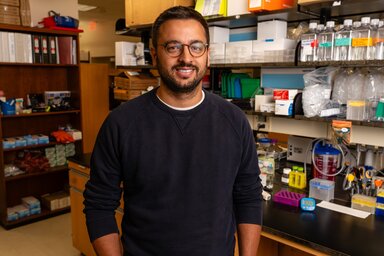
Researchers target stress-survival mechanism in pancreatic cancer

Tobacco Control + Cancer Research
Getting paid to vape? Researchers say that’s a dangerous combination
MUSC News + Patient Journeys
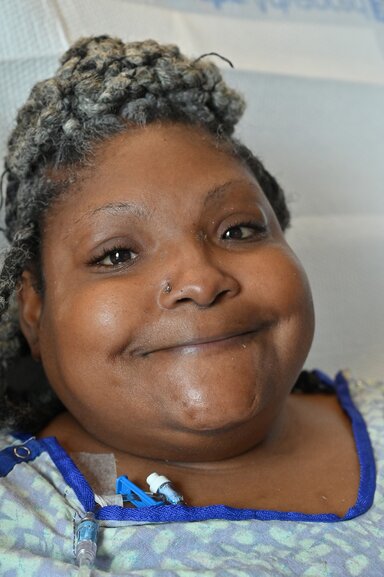
Getting sickle cell care in Kingstree from specialist who understands

Cancer Research + Pediatric Cancer Care Research
New research uncovers potential treatment target for aggressive childhood cancer
MUSC News + College of Medicine
GLP-1s: Far beyond the number on a scale
Cancer Giving + Blood Cancer
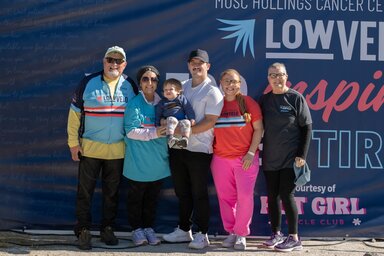
From patient to LOWVELO rider: A 50-year love story, a new reason to give back

News Releases + MUSC News
Jason Cox named CEO of MUSC Health-Pee Dee Division