
After years of physical therapy, pain patches and injections, Laken Crocker of Lexington, South Carolina, decided to revisit surgical options to correct her thoracic lordoscoliosis, a rare disorder in which the middle part of the back curves both inward and sideways, making it difficult for her to move and breathe.
Crocker began showing signs of scoliosis at age 8 and underwent two surgeries – the first at age 12 and the second at 14. Despite those interventions, she continued to struggle with a significant spinal deformity and the physical challenges that came with it.
A few years ago, Crocker developed weakness in her legs that made it painful to walk. As her condition progressed, she began to experience pain behind her shoulder blades and continued to struggle with a rib cage deformity that caused her great pain and trouble breathing. She not only had difficulty caring for her children but also had to turn down a job offer as a medical coder because she could not tolerate sitting for several hours at a time.
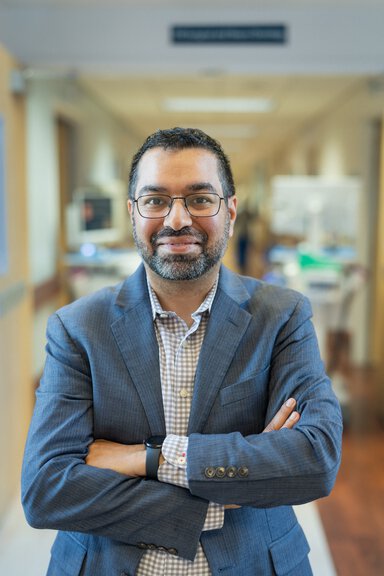
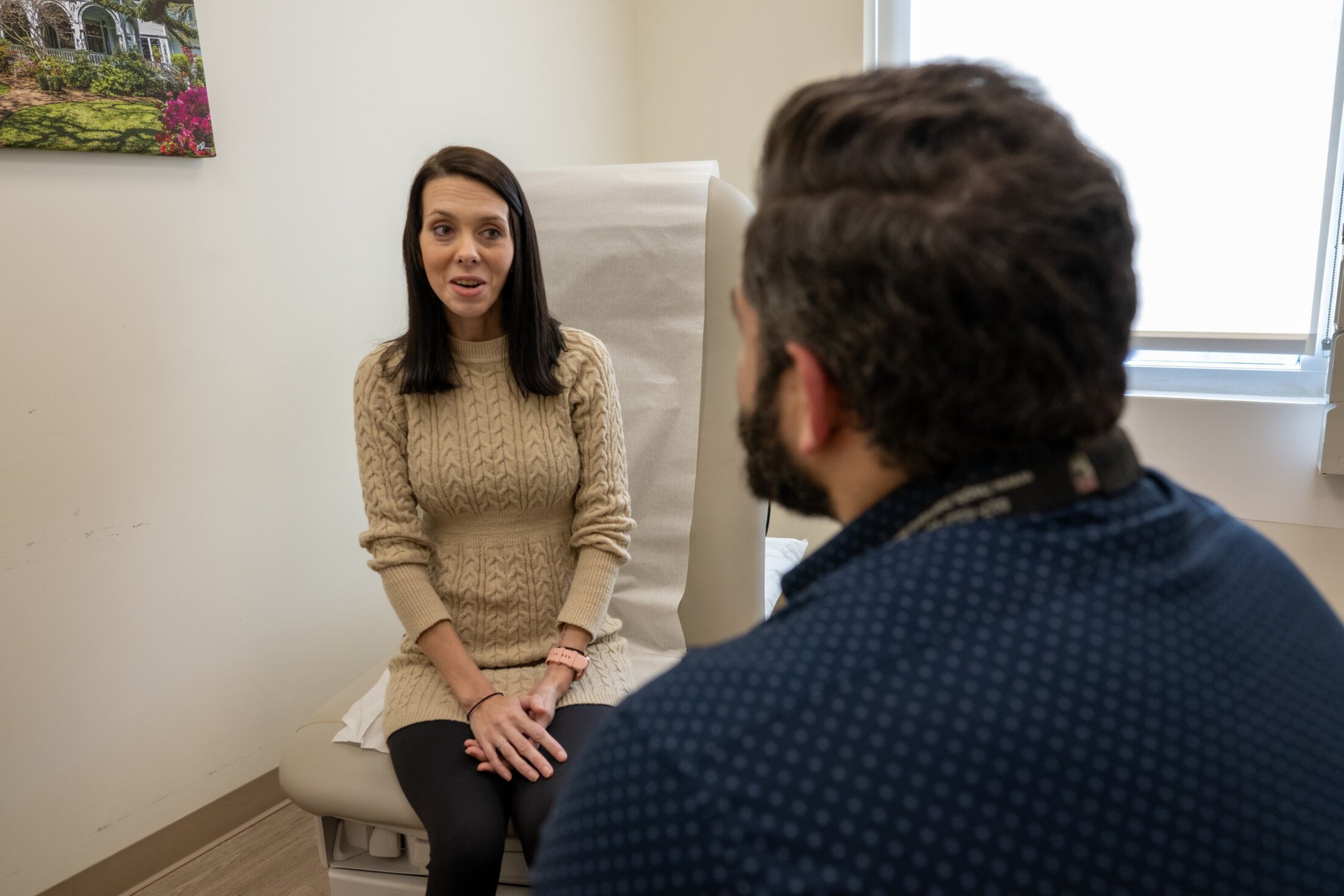
None of her local specialists felt qualified to perform the surgery, Crocker said, but Medical University of South Carolina spine surgeon and researcher Robert Ravinsky, M.D., who often serves as a last resort for complex cases, reassured her.
Crocker said she knew she was in the right place. “I feel God led me to Dr. Ravinsky and his team,” she said. When devising a treatment plan for Crocker, Ravinsky turned to databases kept by the MUSC Ortho Spine Research Group for answers. Crocker’s case is emblematic of how the research group can help patients with spine disease.
Devising a treatment plan
Because so little research exists on the treatment of thoracic lordoscoliosis, Ravinsky and his colleagues had to rely on information they discovered while conducting their own clinical research on the subject.
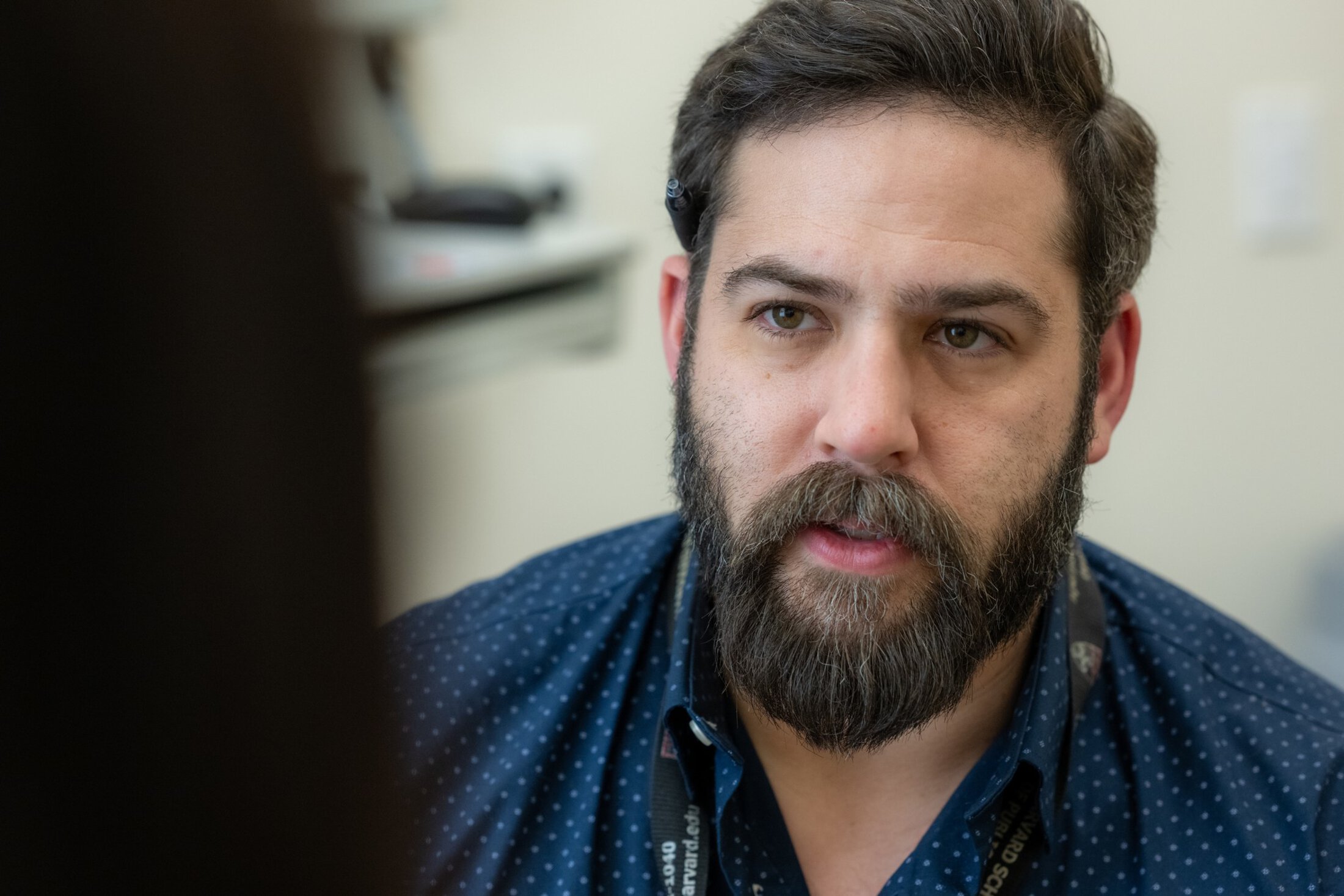
Ravinsky serves as the director of the MUSC Ortho Spine Research Group and works closely with several other individuals, including his partner, Charles Reitman, M.D.; chief resident Jason Silvestre, M.D.; and research fellow Jackson Ferdon. The group conducts a wide variety of studies, including those focused on spinal deformities, such as thoracic lordosis and lordoscoliosis.
The data collected through their research helped the team to predict the post-surgical risks and potential benefits, enabling them to simulate and evaluate potential surgical approaches before performing the procedure. Once Ravinsky explained his plan and its risks and benefits to Crocker, she decided to proceed with the revision of her original scoliosis surgery from the 1990s.
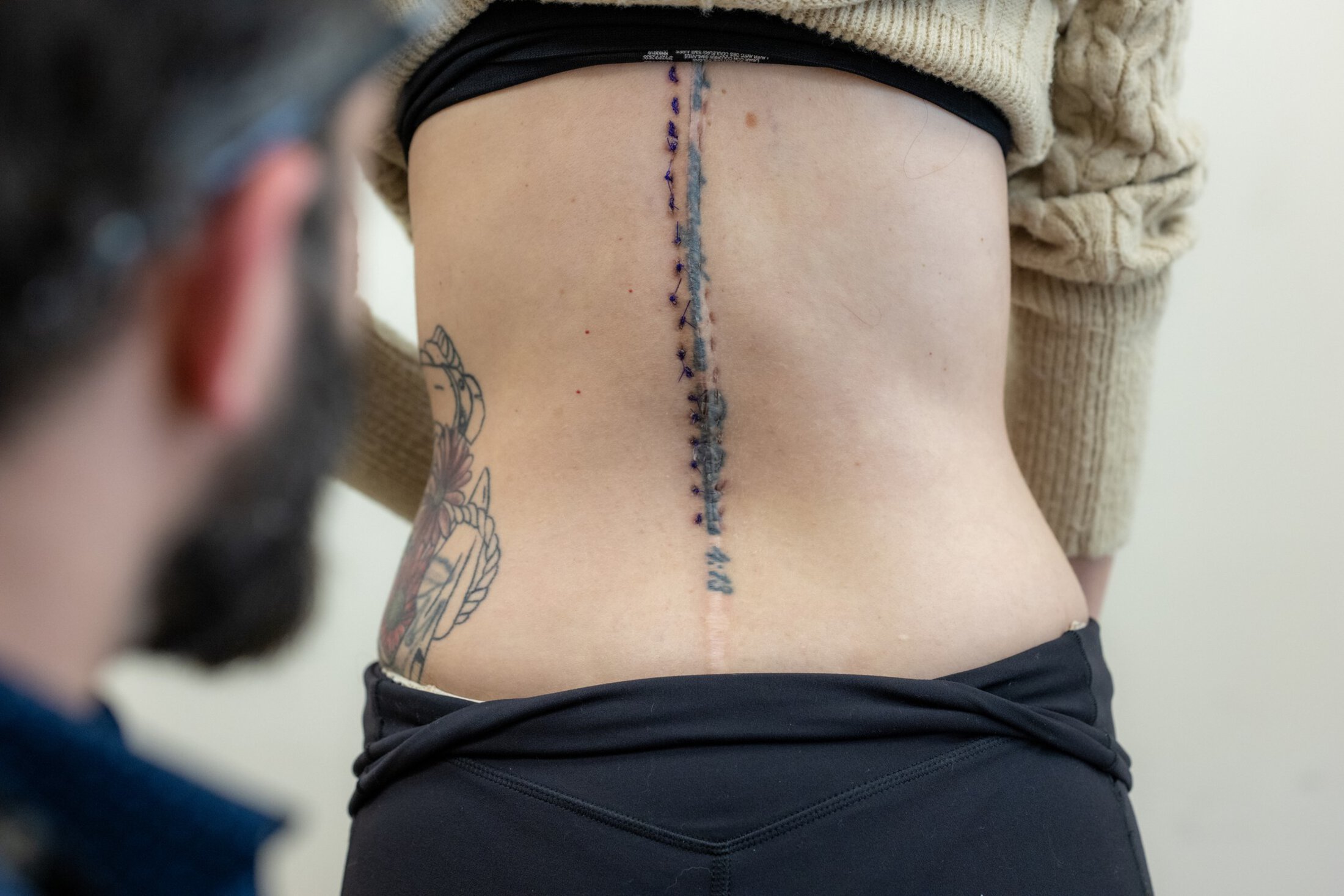
“I removed part of the old hardware. I put in new hardware,” explained Ravinsky. “I linked the new hardware up to the old hardware, and I cut the spine in multiple places so I could realign it.”
Advancing clinical outcomes
Crocker’s surgery is one example of how research and patient care intersect at MUSC. Ravinsky plans to publish his surgical outcomes, allowing lessons from one patient’s experience to inform broader research.
“In terms of just asking questions, we look at things that are relevant or important to clinical practice in general,” said Reitman.
“A lot of the research questions that are asked come from personal challenges or questions that we have,” said Reitman. “And they just naturally lend themselves toward the evaluation of clinical or radiographic information.”
In addition to clinical data from the MUSC electronic medical record, the Ortho Spine Research Group mines data from large national and international databases, such as the Medicare database and TriNetX. These large databases allow data from thousands of patients to be synthesized and analyzed to address clinical questions, which may lead to improvements in the care of patients with spinal disorders.
“If you're doing a surgery and you don't have information – like a patient’s health status, weight, smoking status or all these other things that affect outcomes – and you can't really match patients for those things, then your conclusions are just subject to a high level of bias,” said Reitman.
The associations gleaned from databases have proved particularly fruitful for MUSC’s spine researchers. In 2025, the group published 30 peer-reviewed articles – many of which appeared in high-impact journals.
"The surgery will give me the freedom to be able to move around and have a more flexible schedule."
Reitman emphasized that advancing clinical practice and improving spine surgery outcomes require the systematic analysis of patient-specific questions, using robust clinical datasets from MUSC and beyond.
“When a patient comes in to a specialist, they think we know in no uncertain terms exactly what's wrong and exactly how to fix it,” said Reitman. “And there’s a lot of things in spine that we just still don't really understand. That's why research is important.”
Immediately after the surgery, Crocker’s pain and difficulty breathing subsided. She is currently undergoing rigorous physical therapy and rehabilitation, with hopes of walking soon.
Her gratitude for Ravinsky and his team is unmistakable. “He has always explained my condition thoroughly to me in ways I can understand. They always responded in a timely manner when I had complications prior to surgery,” Crocker said. “Since I live hours away, they’d answer in MyChart or would get me in quickly to address my concerns. They’ve been such a blessing to me, and I’m so grateful for them.”
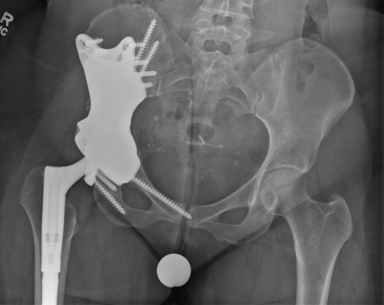
Ravinsky noted that Crocker is doing exceptionally well, and her X-rays look excellent, with significantly improved alignment.
Prior to her surgery with Ravinsky, Crocker went on a hiking trip with her husband, her two daughters, her sister and her nephew in the Blue Ridge Mountains. Crocker understandably wanted time with her family before undergoing the rigors of surgery and rehabilitation. Even though she could no longer join them on the actual hikes, Crocker was able to enjoy the bucolic scenery with them, including taking pictures against backdrops of waterfalls and fall foliage. These photos, she explained, would forever hold memories she would cherish.
Now, as she puts her heart and soul into rehab, she looks forward to once again hiking with her children, this time actively trekking the trails. She also hopes to return to the job market with a focus on accounting.
“The surgery will give me the freedom to be able to move around,” she said, “and have a more flexible schedule.”
She’s eager to spend the time she's regained doing what she loves most – staying active with her loved ones.