
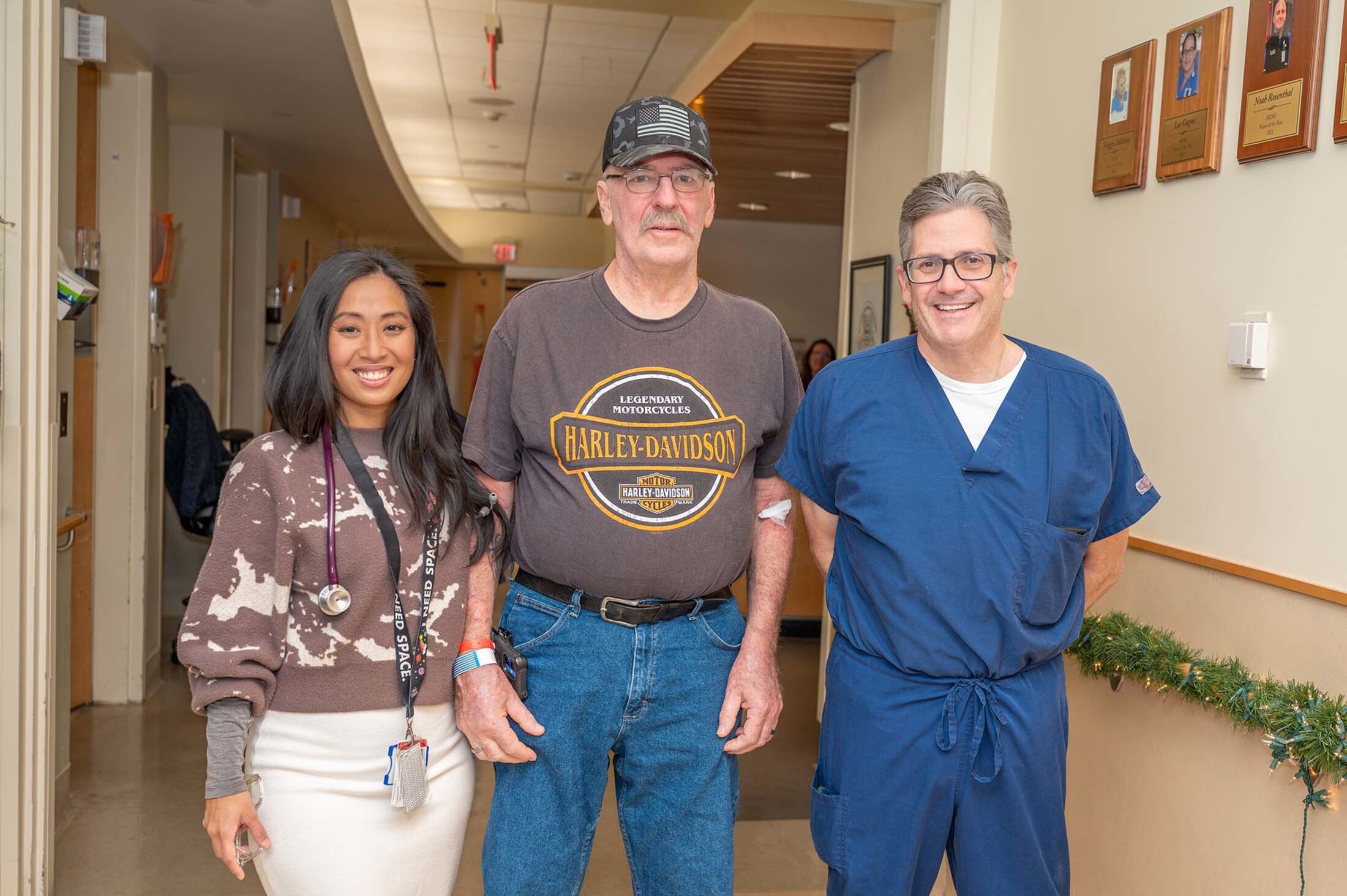
MUSC Health has become the first site in South Carolina to offer balloon angioplasty to people with disabling symptoms from chronic thromboembolic pulmonary hypertension, also known as CTEPH. CTEPH is a rare condition involving chronic blood clots in the lungs. Denise Sese, M.D., serves as medical director for CTEPH care.
“South Carolina providers are so desperate to have someone in South Carolina that they sent people to us before we even started doing it because they knew we were about to,” Sese said.
What is CTEPH?
So the need is clear. But what about the condition itself? What does the term chronic thromboembolic pulmonary hypertension mean?
Chronic=ongoing.
Thrombo=blood clot.
Embolic=blockage of a blood vessel.
Pulmonary=involving the lungs.
Hypertension=high blood pressure.
Sese explained it this way. “Chronic thromboembolic pulmonary hypertension is a condition that occurs after you get blood clots in the lungs,” she said.
Pulmonary embolisms, precursors to CTEPH in some cases
Those clots are called pulmonary embolisms. They typically start in leg veins and travel up to the lungs, where they block blood flow. “We have approximately 100,000 deaths in the United States a year due to pulmonary embolisms,” Sese said.
Most clots are treatable if caught in time. But in rare cases, even after treatment, the trouble isn’t over.
Development of CTEPH
“As the third leading cause of cardiovascular death in the United States, pulmonary embolisms affect many people,” Sese said. “With the symptoms of CTEPH being subtle sometimes, access to an expert center with multiple diagnostic and therapeutic options is crucial.”
Treating CTEPH
The CTEPH center at MUSC Health works with patients to assess risks and decide on the best treatments. Doctors may also prescribe medications to improve blood flow.
Sese said there are two main ways to treat CTEPH. “One is through surgery – pulmonary thromboendarterectomy, or PTE. A specially skilled surgeon has to go in and remove the scar tissue very carefully. In many cases, patients come off oxygen and are relieved of their heart failure symptoms.”
But some people don’t qualify for surgery due to other medical conditions or because they have scarring that’s too hard to reach through surgery.
Balloon pulmonary angioplasty
That’s where balloon pulmonary angioplasty, or BPA, may come in. While it’s less invasive than surgery, it’s still a complex procedure requiring expertise in CTEPH care.
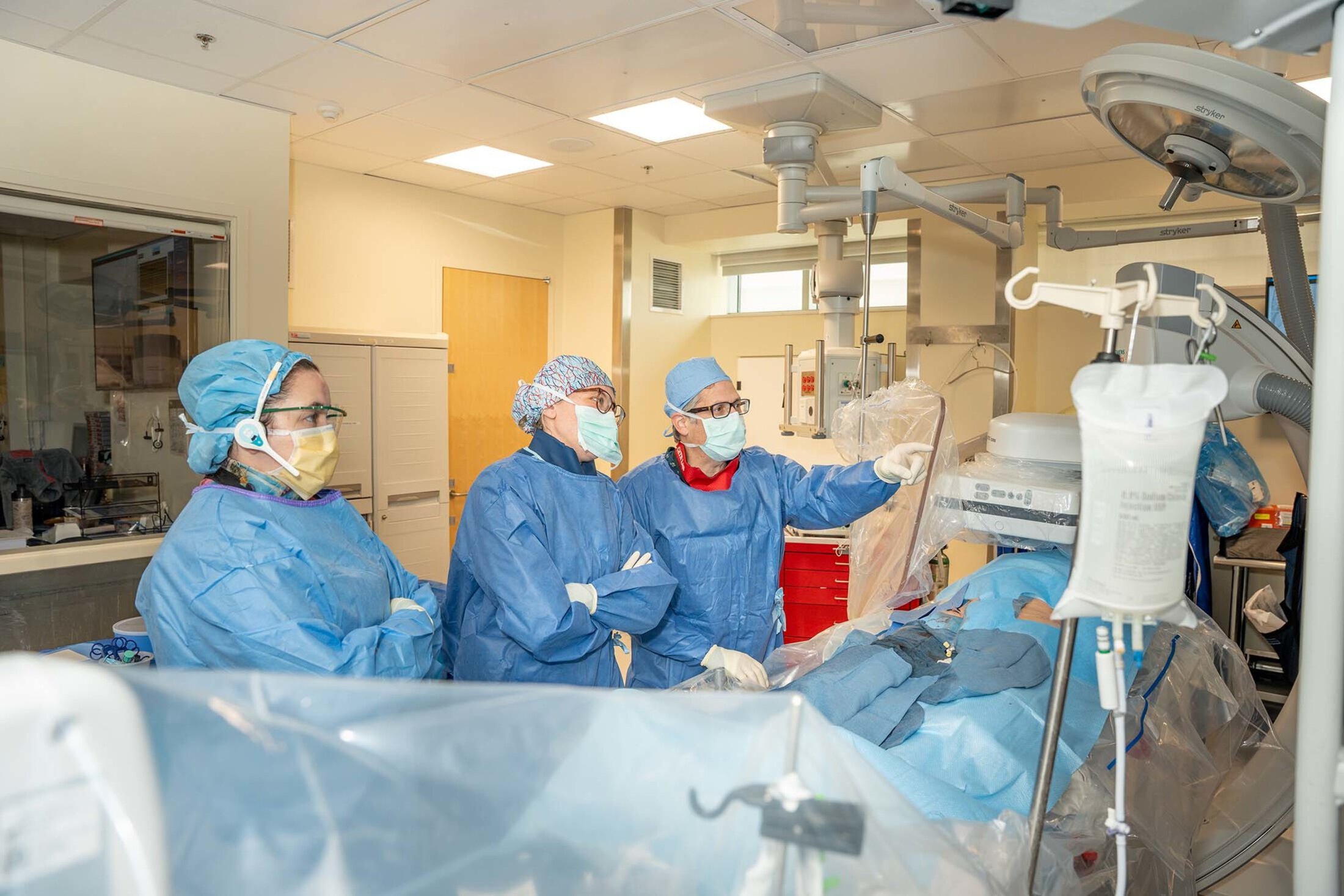
With a BPA, doctors insert thin tubes called catheters into veins, usually in the groin, and run them up to the vessels that are blocked in the lung. Then they carefully inflate a tiny balloon in each vessel to open it. This is done in stages to lower the risk of problems. At MUSC Health, Thomas Todoran, M.D., performs the procedure.
“Right now, we are the only place in South Carolina that does this,” Sese said.
It makes sense, she said, to offer it at the state’s only Pulmonary Hypertension Association Center of Comprehensive Care. The comprehensive designation means it has highly trained specialists and individualized treatments.
“It's about multidisciplinary care. We work with cardiology, genetics, cardiothoracic surgery, transplant and rheumatology specialists. The strength is in the team. In addition to that, we have clinical trials. Now, together with offering CTEPH care, we can finally deliver comprehensive pulmonary hypertension care,” Sese said. “I am so proud of our team and so excited for our state.”

Helen Adams
Recent Lung Care stories