

Charleston, S.C. (Jan. 21, 2026) – A new randomised controlled trial has found promising evidence that the smoking cessation medication varenicline (Chantix/Champix) can help people with cannabis use disorder (CUD) to reduce cannabis use. CUD is a rising problem globally, partly due to recent legalization in several countries and U.S. states. Until now, no medications have been found to treat it.
CUD is characterized by the continued use of cannabis despite “clinically significant impairment,” such as ignoring important social, occupational or recreational activities and persistent use in spite of physical or psychological problems associated with cannabis. Cannabis use is also associated with psychosis, sleep disorders, withdrawal and mood and anxiety disorders.
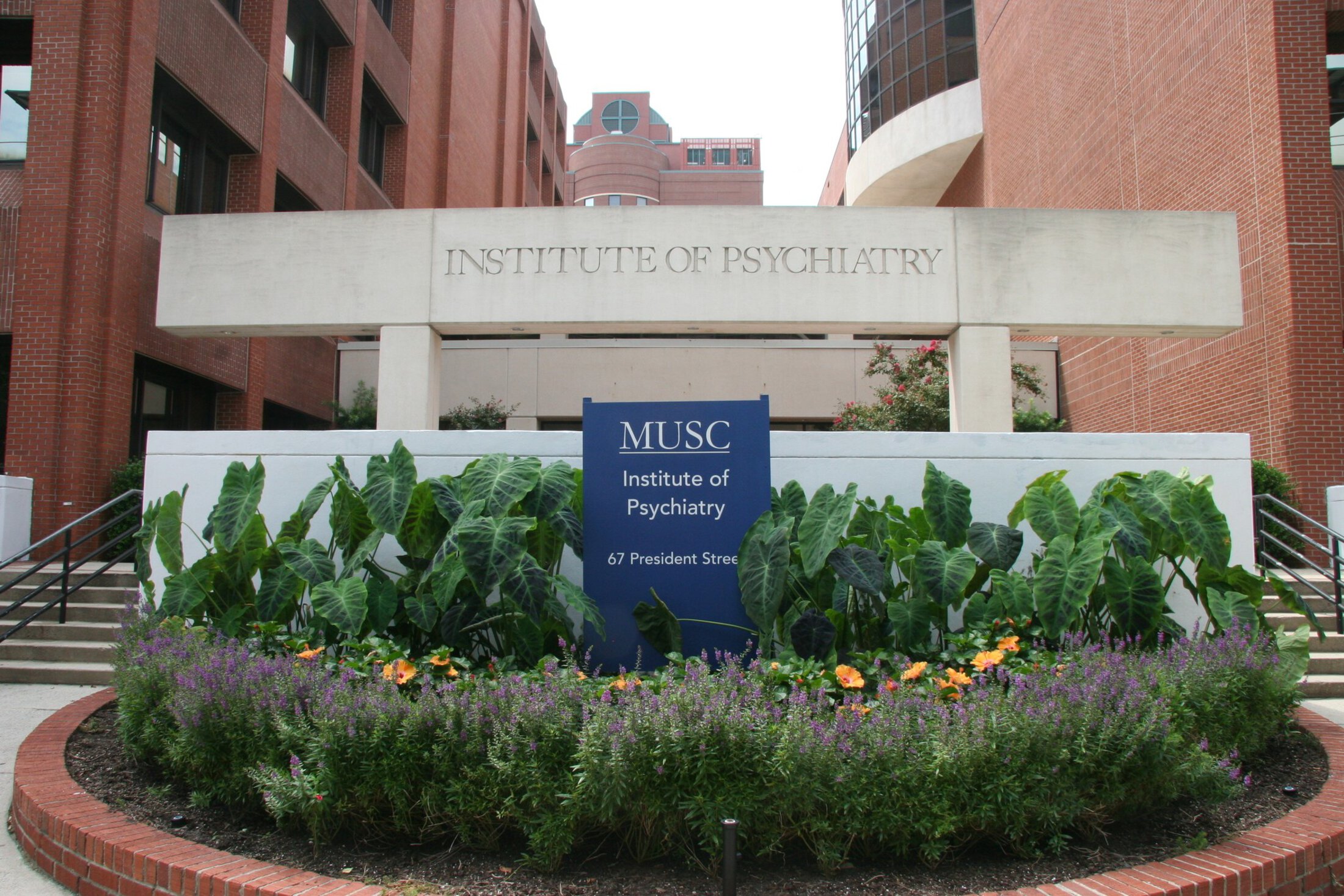
Varenicline is an effective medication for quitting tobacco. This trial, conducted at the Medical University of South Carolina (MUSC) and published in Addiction, tested whether varenicline could help with CUD. Results showed that it helped men to reduce cannabis use but not women. Varenicline works equally well for both sexes as a stop-smoking aid.
The trial included 174 participants with CUD who used cannabis at least three days per week. Participants were randomized to varenicline, working up to a dose of 1 milligram twice daily, or placebo for 12 weeks. Participants also received a brief weekly medical management session to encourage their adherence to both the medication and the treatment plan.
Timothy Stemmler, Ph.D., vice president for Research at MUSC, emphasized the importance of MUSC’s contributions in medical research. “This study demonstrates how leveraging existing treatments for different disorders can unlock new possibilities for improving public health, not only in South Carolina but also on a global scale.”
The men in the study who received varenicline used cannabis fewer times per week than the men on placebo. Specifically, the varenicline group averaged 7.9 cannabis sessions per week during the study and 5.7 sessions in the week following the study, compared with more than 12 weekly sessions for the placebo group. The male varenicline group also used cannabis an average of 3.8 days per week, compared with 4.7 days per week for the male placebo group.
The women in the study who received varenicline did not differ in their cannabis use from the women on placebo. The varenicline group averaged just over 10 sessions per week, compared with the placebo group’s 9.2 weekly sessions, which dropped to 8.2 in the week following the study. The female varenicline group used cannabis an average of 4.9 days per week, compared with 3.6 days for the female placebo group.
The female varenicline group showed higher withdrawal and craving scores and higher anxiety than any of the other groups. Perhaps connected with that, women receiving varenicline reported lower medication adherence than women receiving the placebo.
“Cannabis use disorder is rising quickly in the United States. Current pharmacological treatment options are very limited, and so, our ability to help people reduce their cannabis use is also limited,” said lead author Aimee McRae-Clark, a professor in the Department of Psychiatry and Behavioral Sciences. “Our study found that varenicline, a drug that helps people to reduce or stop smoking, may be effective at reducing cannabis use as well – but only for men. Our next step is to further explore varenicline for cannabis use disorder, using a larger sample size of women, to better understand this sex difference in the treatment outcome. In the meantime, we are encouraged that varenicline shows potential promise in treating this fast-growing problem.”
Media Contact: Jason Treffry, mediarelations@musc.edu.
###
About MUSC
Founded in 1824 in Charleston, MUSC is the state’s only comprehensive academic health system, with a mission to preserve and optimize human life in South Carolina through education, research and patient care. Each year, MUSC educates nearly 3,500 students in six colleges and trains approximately 1,050 residents and fellows across its health system. MUSC leads the state in federal, National Institutes of Health and other research funding. For information on our academic programs, visit musc.edu.
As the health care system of the Medical University of South Carolina, MUSC Health is dedicated to delivering the highest-quality and safest patient care while educating and training generations of outstanding health care providers and leaders to serve the people of South Carolina and beyond. In 2025, for the 11th consecutive year, U.S. News & World Report named MUSC Health University Medical Center in Charleston the No. 1 hospital in South Carolina. To learn more about clinical patient services, visit muschealth.org.
MUSC has a total enterprise annual operating budget of $8.9 billion. The nearly 35,000 MUSC members include world-class faculty, physicians, specialty providers, scientists, contract employees, affiliates and care team members who deliver groundbreaking education, research and patient care.