
By age 16, almost two-thirds of kids have experienced trauma, such as abuse, neglect, natural disasters or sudden loss of a loved one, according to the Centers for Disease Control and Prevention. These youth have a higher risk for developing post-traumatic stress disorder (PTSD) and other mental health difficulties, especially if they do not receive treatment.
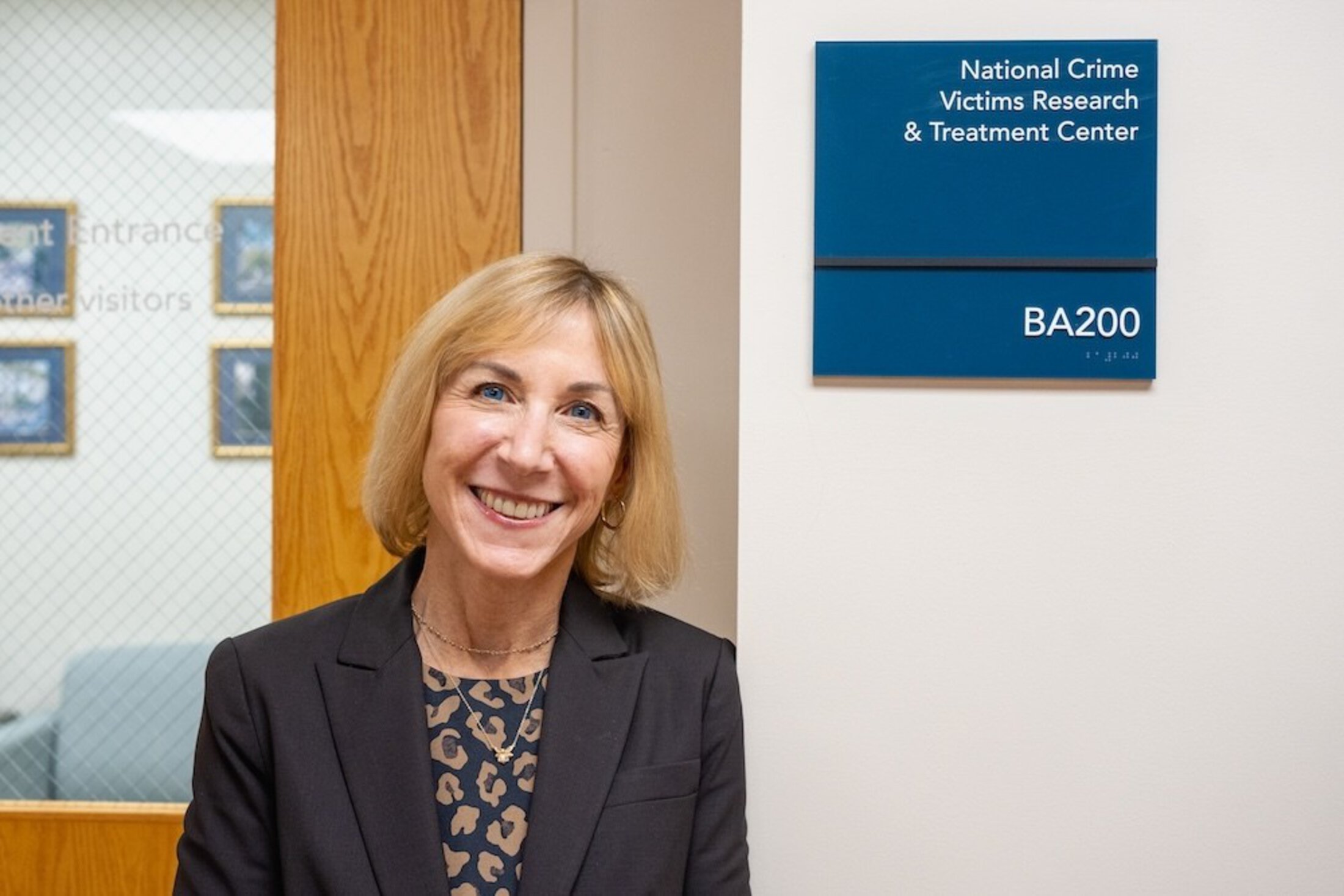
Trauma-focused cognitive behavioral therapy (TF-CBT) is an effective treatment for PTSD, but it is not accessible to everyone, said Rochelle Hanson, Ph.D., a professor in the National Crime Victims Research and Treatment Center and the Department of Pediatrics at the Medical University of South Carolina.
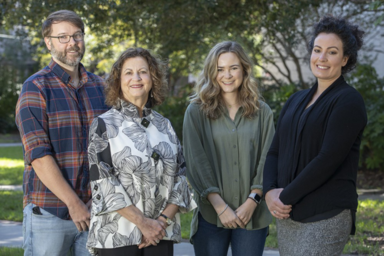
Hanson partnered with assistant professor Hannah Espeleta, Ph.D., licensed psychologist Carole Swiecicki, Ph.D., and other colleagues to compare two methods to increase access to TF-CBT, with funding from the Duke Endowment. They describe the strengths and weaknesses of each method in their article in Evidence-Based Practices in Child and Adolescent Mental Health.
Their study compared learning collaboratives and community-based learning collaboratives. A learning collaborative is a strategy that focuses on training therapists to provide evidence-based therapy. In this study, therapists were trained to provide TF-CBT to children. The therapists gained experience through an online course, workshops and consultations during this 10-month training.
“In order for children to get access to high-quality services, we need to make sure that we are providing quality training to enough therapists,” Hanson said.
Learning collaboratives are well-established and have shown success. However, to be able to deliver effective treatments, therapists need referrals, making it important to also train those who have initial contact with children who may need services. Hanson described this phenomenon as supply and demand.
“What essentially can happen is that you have a bunch of really well-trained therapists sitting in their offices, but nobody’s made referrals because we’ve missed the other part of the equation,” she said.
When brokers understand trauma and know where to refer kids, we close a major gap in the system.
That is where community-based learning collaboratives come in. These collaboratives not only train therapists, but also professionals in the community who frequently interact with kids and may be the first point of contact. These professionals, called brokers, can consist of child protective services’ workers, juvenile justice professionals, or school counselors.
Community-based learning collaboratives train these brokers to screen children for a history of trauma and better identify signs of trauma-related mental health problems so they can refer those kids to the highly trained therapists. The brokers may also help to increase the chances that kids complete their treatment.
“When brokers understand trauma and know where to refer kids, we close a major gap in the system,” said Espeleta. “Bringing them into the training effort creates a more coordinated community response, helping ensure that children not only reach highly trained therapists but also stay engaged throughout their treatment.”
In this study, 188 therapists went through the learning collaborative training, while 253 therapists and 140 brokers went through the community-based learning collaborative training. The learning collaborative training included pre-work assignments, learning sessions and case-based learning, while the community-based learning collaborative training consisted of two integrated programs that included both the therapists and the brokers.
The therapist program was identical to the learning collaborative training, while the broker program focused on improving trauma-informed practices of child-serving agencies, such as child welfare and juvenile justice.
Both the learning collaborative and community-based learning collaborative programs included building interprofessional collaborations and professional networks.
The researchers analyzed symptoms of post-traumatic stress and depression in children to compare the effectiveness of learning collaboratives versus community-based learning collaboratives for children receiving TF-CBT. They found that while kids in both programs showed improvement in their post-traumatic stress symptoms, kids receiving TF-CBT from therapists in the learning collaborative improved slightly more.
The researchers also looked at depression because it is common to experience depression after traumatic events. Kids in both programs showed equal improvement in depression symptoms; however, more children with depression were identified in the community-based learning collaborative. Hanson attributed this increase to the brokers.
“We are training these folks to look for more than just post-traumatic stress. We're helping them understand that kids who experience trauma may also be depressed,” she said. “So, they're doing a better job of getting those kids in for services.”
Kids in the community-based learning collaborative were also more likely to complete their treatment. “We’re training brokers so that they can work with families to help kids to complete treatment successfully,” said Hanson.
Although Hanson and Espeleta found that both programs improved child outcomes, they think that it will be important that future studies further explore the needs of communities so that they get the type of collaborative that benefits them the most.
This study was a part of Project BEST, which is a partnership with the Dee Norton Child Advocacy Center. Project BEST is a collaborative, statewide initiative that works to increase access to trauma-focused evidence-based mental health treatments for any child in need in South Carolina.
Reference
Espeleta HC, Kautz MM, Wade S, Swiecicki C, Hanson RF. Evid Based Pract Child Adolesc Ment Health. 2025;10(3):579-594. doi:10.1080/23794925.2025.2485086

Danielle Little
Dr. Danielle Little is a postdoctoral scholar in the Bradshaw/Zile lab and a College of Graduates Studies science communications intern.